
Sports Injury Centre: Best Treatment for Athletes & Active Lifestyles
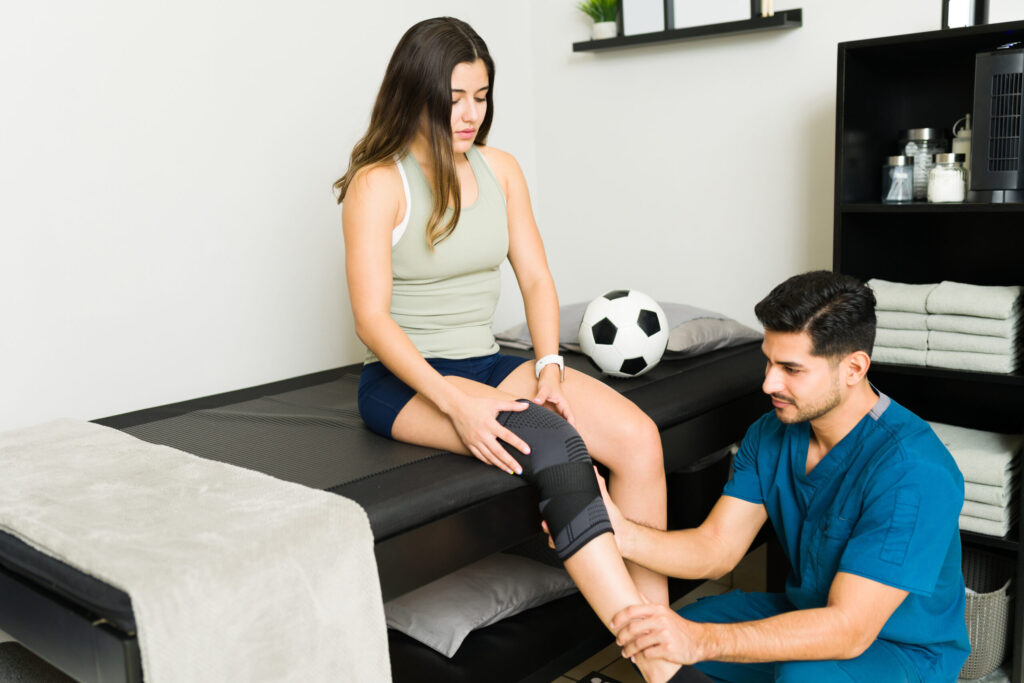
Sports Injury Centre: Best Treatment for Athletes & Active Lifestyles A sports injury centre is a specialised medical facility that treats injuries caused by sports, exercise, gym workouts, or physical activities. These centres combine orthopaedic care, physiotherapy, rehabilitation, pain management, and fitness recovery under one roof. Unlike general treatment, a Sports Medicine Centre focuses on returning the patient to normal activity as quickly and safely as possible. Experts understand how muscles, joints, ligaments, tendons, and bones work during movement. These centres are useful for: Professional athletes Amateur players Gym users Runners and cyclists School and college sports students Anyone with exercise-related pain or injury Why Visit a Sports Injury Centre? Many people ignore pain and continue playing. This can worsen the injury. Early treatment at a sports injury centre offers many benefits: 1. Accurate Diagnosis Experts identify the real cause of pain using physical examination, X-ray, MRI, ultrasound, or movement testing. 2. Faster Recovery Specialised treatment plans help reduce downtime. 3. Prevent Future Injuries Doctors guide proper posture, warm-up, strength training, and recovery methods. 4. Complete Rehabilitation A Sports Rehab Centre helps rebuild strength, balance, and flexibility. 5. Return to Sport Safely Doctors ensure you are ready before restarting sports. Common Sports Injuries Treated at a Sports Injury Centre Many common sports injuries affect active people. Some heal with rest, while others need expert care. Muscle Strain Overstretching or tearing of muscles, common in thighs, calves, hamstrings, and back. Ligament Sprain Happens when ligaments stretch or tear, often in ankle, knee, or wrist. ACL Injury A serious knee ligament injury is common in football, basketball, and cricket. Meniscus Tear Cartilage damage inside the knee causing locking or swelling. Tennis Elbow Pain around the elbow due to repeated arm movement. Shoulder Dislocation Common in contact sports or falls. Shin Splints Pain in the lower leg due to overuse in runners. Fractures Bone injuries due to trauma or sudden impact. Tendonitis Inflammation of tendons from repeated stress. Signs You Should Visit a Sports Injury Specialist Do not ignore these symptoms: Swelling after activity Joint pain that lasts more than a few days Difficulty walking or running Knee instability Shoulder weakness Reduced range of motion Repeated ankle twisting Pain during exercise Clicking or locking in joints Muscle weakness after injury A Sports Injury Specialist can assess the issue and guide proper treatment. Best Treatments Available at a Sports Injury Centre Modern centres provide many non-surgical and surgical options depending on the injury. 1. Rest, Ice, Compression, Elevation (RICE) Useful in early injury stages to reduce swelling and pain. 2. Medicines Pain relievers and anti-inflammatory medicines may help short-term recovery. 3. Physiotherapy A Sports Physiotherapy Centre uses exercises, stretching, strengthening, taping, and manual therapy. 4. PRP Therapy Platelet-rich plasma may help some tendon or ligament injuries. 5. Bracing and Support Knee braces, ankle supports, and shoulder stabilizers protect healing tissues. 6. Arthroscopy Surgery Minimally invasive surgery used for ACL tears, meniscus injury, shoulder instability, and cartilage problems. 7. Rehabilitation Programs Structured recovery plans help patients regain confidence and performance. Knee Sports Injury Treatment The knee is one of the most commonly injured joints in sports. Running, jumping, twisting, and sudden stops can damage the knee. Common Knee Problems: ACL tear Meniscus tear Patellar pain Ligament sprain Cartilage injury Knee Sports Injury Treatment Includes: Swelling control Strength exercises Balance training Sports-specific rehab Surgery if needed Early treatment prevents long-term knee weakness. Shoulder and Upper Body Sports Injuries Shoulders work hard in cricket bowling, badminton, swimming, tennis, and gym training. Common Shoulder Problems: Rotator cuff strain Shoulder impingement Shoulder dislocation Labral tear Tendonitis Treatment may include rest, posture correction, physiotherapy, mobility exercises, and surgery in severe cases. Role of Sports Physiotherapy in Recovery Physiotherapy is one of the most important parts of healing. A Sports Physiotherapy Centre focuses on movement restoration and safe return to activity. Benefits: Reduces pain naturally Improves flexibility Builds muscle strength Corrects posture Improves balance Prevents repeat injuries Physiotherapists also teach warm-up and cool-down routines. Physiology and Injuries in Sports Understanding physiology and injuries in sports is important because the body changes during exercise. Muscles fatigue, joints absorb impact, and tissues face repeated stress. If recovery is poor, injuries happen. Important factors include: Muscle imbalance Weak core muscles Poor flexibility Dehydration Overtraining Wrong technique Lack of rest Poor footwear Good sports science helps prevent these problems. How Athletes Can Prevent Sports Injuries Prevention is always better than treatment. Warm Up Properly Spend 10–15 minutes before the activity. Strength Training Strong muscles protect joints. Improve Technique Use correct running, lifting, or playing form. Rest and Recovery The body needs sleep and recovery days. Stay Hydrated Water supports muscle function. Use Proper Equipment Shoes, braces, and gear matter. Listen to Pain Pain is a warning sign How to Choose the Best Sports Injury Centre When selecting a sports injury centre, look for: Experienced Sports Injury Doctor Qualified orthopedic surgeons Advanced imaging support Modern rehabilitation facilities Personalised treatment plans Strong physiotherapy team Good patient reviews Return-to-sport programs If you are in NCR, many people search for a sports injury centre in Delhi for advanced care options. When Surgery May Be Needed Not all injuries need surgery. But surgery may be advised in: Complete ACL tear Recurrent shoulder dislocation Meniscus locking tear Fractures needing fixation Severe tendon rupture Failed conservative treatment Modern arthroscopy offers smaller cuts, faster recovery, and better outcomes. Recovery Time After Sports Injury Healing depends on injury type, age, fitness, and treatment. Mild sprain: 1–3 weeks Moderate strain: 3–6 weeks ACL rehab: 6–9 months Meniscus repair: 3–6 months Shoulder instability rehab: varies by severity Following rehab plans is essential. Lifestyle Tips for Active People To stay active long-term: Train smart, not hard every day Mix strength + mobility work Maintain a healthy weight Eat protein-rich, balanced meals Stretch regularly Replace worn-out shoes Track pain early FAQs What does a sports injury centre treat? A sports injury centre treats ligament tears, muscle strains, fractures, shoulder injuries, knee pain, tendonitis, and exercise-related problems.
ACL Tear Symptoms: Early Signs, Pain, Swelling & Knee Instability
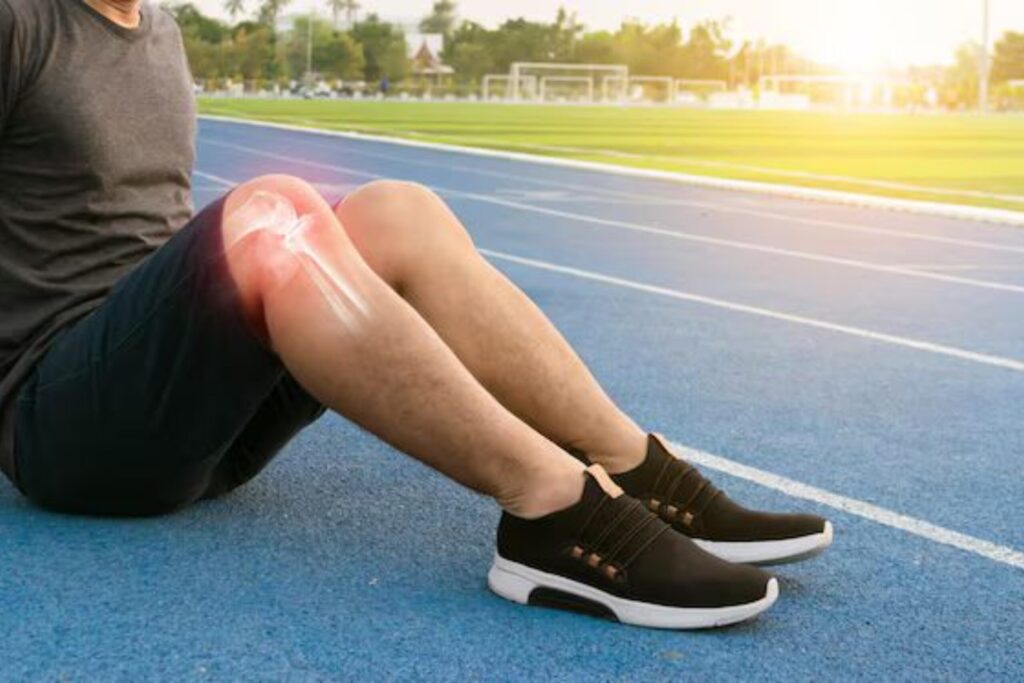
ACL Tear Symptoms: Early Signs, Pain, Swelling & Knee Instability An ACL (Anterior Cruciate Ligament) tear is one of the most common and serious knee injuries, especially in athletes and active individuals. It usually occurs due to sudden twisting, jumping, or direct impact on the knee. Many people tend to ignore early ACL tear symptoms, thinking it is just a minor strain or temporary pain. However, this can be risky, as untreated ligament damage may lead to long-term knee instability, chronic pain, reduced mobility, and even early arthritis. At Centre For Sports Injury, patients are evaluated and treated under the expertise of Dr. Himanshu Gupta, Orthopedic & Sports Injury Specialist, using evidence-based approaches focused on accurate diagnosis, advanced treatment, and structured rehabilitation. Early recognition of ACL tear symptoms is essential for preventing complications and ensuring effective recovery. Understanding ACL tear symptoms at the right time is very important for proper diagnosis and treatment. Early signs like swelling, pain, and instability should not be ignored. This guide helps you identify symptoms, understand causes, explore treatment options, and know when surgery might be necessary. What Is an ACL Tear? The ACL is a strong band of tissue that connects the thigh bone (femur) to the shin bone (tibia) and helps stabilize the knee joint. It plays a critical role in controlling forward movement and rotational stability of the knee. An ACL tear occurs when this ligament is overstretched or torn due to sudden movements such as twisting, pivoting, or landing incorrectly. This injury is common in sports like football, basketball, and cricket. In severe cases, doctors may recommend ACL tear surgery to restore stability and function. To understand the procedure in detail, you can explore our ACL Injury & Reconstruction Surgery treatment page. Early Signs of an ACL Tear Recognizing early ACL tear symptoms can prevent further damage and speed up recovery. These signs usually appear immediately after the injury. Common early signs include: A sudden “pop” sound at the time of injury Immediate sharp pain in the knee Rapid swelling within a few hours Difficulty standing or putting weight on the leg Feeling of knee instability or weakness Ignoring these early signs can worsen the injury and increase the chances of long-term complications. Common ACL Tear Symptoms As time passes, ACL tear symptoms may become more noticeable and affect daily activities. Symptoms of ACL tear include: Persistent or recurring knee pain Swelling that comes and goes Knee “giving way” during walking or movement Reduced range of motion Difficulty in running, jumping, or turning A feeling of looseness or instability in the knee These symptoms can significantly affect mobility and quality of life if not treated properly. Causes of ACL Tear Understanding the causes helps in both prevention and choosing the right treatment. Common causes of ACL tear include: Sudden change in direction while running Incorrect landing from a jump Direct impact or collision during sports Overextension of the knee joint Weak muscles or poor body mechanics Athletes and physically active individuals are at higher risk, but ACL tears can also occur during everyday activities. Treatment Options for ACL Tear Treatment depends on the severity of the tear, age, activity level, and overall knee condition. Non-Surgical Treatment Mild ACL injuries may be managed without surgery. Options include: Rest and ice therapy Physiotherapy and strengthening exercises Knee braces for support Activity modification Surgical Treatment In moderate to severe cases, ACL tear surgery may be required to reconstruct the damaged ligament. What is ACL surgery? It is a procedure where the torn ligament is replaced with a tissue graft to restore stability and function of the knee. Surgery is often recommended for athletes or individuals with active lifestyles. ACL Surgery Recovery Time Recovery after ACL surgery is gradual and requires commitment to rehabilitation. Typical recovery timeline: First 2 weeks: Pain and swelling management 4–6 weeks: Improved mobility and walking 3 months: Strength and balance training 6–9 months: Return to sports or full activity The ACL surgery recovery time varies depending on individual healing and physiotherapy consistency. Long-Term Effects of ACL Tear Without Surgery Ignoring ACL tear symptoms or delaying treatment can lead to serious complications. Possible long-term effects include: Chronic knee instability Increased risk of meniscus injury Early onset of osteoarthritis Persistent pain and swelling Reduced ability to perform physical activities Understanding the long term effects of ACL tear without surgery highlights the importance of timely treatment. Prevention Tips for ACL Injuries While not all injuries can be prevented, certain steps can reduce the risk. Preventive measures include: Strengthening leg muscles (especially hamstrings and quadriceps) Practicing proper landing techniques Wearing appropriate footwear Avoiding sudden movements without a warm-up Maintaining good physical conditioning Prevention is especially important for athletes and fitness enthusiasts. When Is Surgery Necessary? Surgery is usually recommended when: Indications for ACL surgery include: Complete ACL tear Severe knee instability Active lifestyle or sports participation Associated injuries (meniscus damage) Failure of non-surgical treatment Early surgical intervention can restore knee function and prevent further joint damage. Recovery and Rehabilitation After ACL Injury Rehabilitation plays a crucial role in both surgical and non-surgical treatment. Rehabilitation focuses on: Restoring knee movement Strengthening surrounding muscles Improving balance and coordination Gradual return to activity A structured rehab program ensures long-term success and prevents re-injury. When to See a Doctor Knowing the right time to seek medical help can prevent complications. You should consult a doctor if: Knee pain is severe or worsening Swelling does not improve Movement is restricted Knee feels unstable during daily activities Timely diagnosis ensures effective treatment and faster recovery. FAQs: ACL Tear Symptoms What are the first signs of an ACL tear? The first signs include a popping sound, sudden pain, swelling, and difficulty walking or standing. Can you walk with an ACL tear? Some people can walk, but the knee often feels unstable and may give way. How long does ACL recovery take? Recovery may take 6 to 9 months, depending on treatment and rehabilitation. What happens if an ACL tear
How Do You Fix Knock Knees Safely? Medical vs Natural Treatment Options
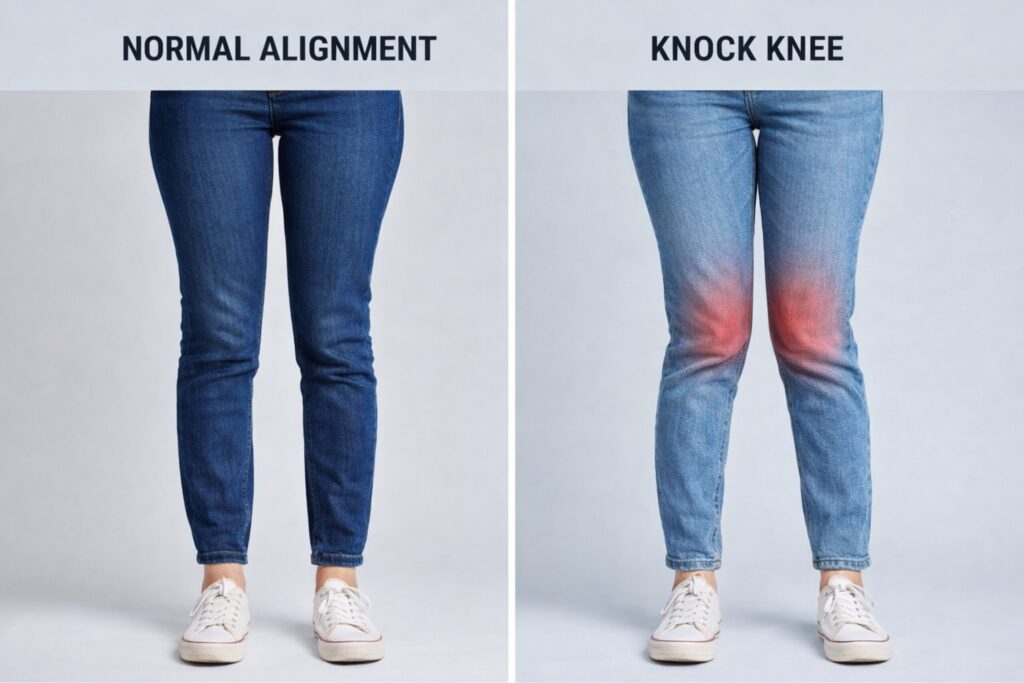
How Do You Fix Knock Knees Safely? Medical vs Natural Treatment Options Knock knees, medically known as Genu Valgum, is a condition where the knees touch each other while the ankles remain apart. It is common in children but can persist into adulthood, causing discomfort, poor posture, and walking difficulties. Many people often ask, how do you fix knock knees safely without surgery. The good news is that there are multiple solutions available—from natural correction techniques to advanced medical treatments. This guide explains the causes, symptoms, and the best ways to improve knee alignment using exercises, physiotherapy, and clinical care. What is How Do You Fix Knock Knees? Knock knees refer to a misalignment of the legs where the knees angle inward, a condition medically known as Genu Valgum. When standing straight, the knees touch each other while the ankles remain apart, which can affect balance, walking pattern, and overall posture over time. If not addressed, this misalignment may gradually put extra stress on the joints and surrounding muscles. Fixing knock knees depends on factors like age, severity, and underlying cause. Mild cases can often be improved through how to correct knee alignment naturally, including targeted exercises, posture correction, and muscle strengthening. However, in more severe cases or when symptoms persist, medical treatments such as physiotherapy or orthopedic intervention may be required to restore proper alignment and prevent long-term complications. Causes of How Do You Fix Knock Knees Understanding the cause is essential before choosing the best treatment for knee alignment problems, because treatment works best when it targets the root issue—not just the symptoms. Knock knees, medically known as Genu Valgum, can develop due to a combination of physical, nutritional, and lifestyle factors. Common Causes: Genetic factors (inherited bone structure) Nutritional deficiencies, especially Vitamin D and calcium Obesity, putting extra pressure on knees Injuries affecting joints or bones Conditions like Rickets Weak muscles around hips and thighs In adults, lifestyle factors and improper posture play a major role. Symptoms of How Do You Fix Knock Knees Knock knees may not always cause immediate pain, but they can gradually lead to long-term complications if left untreated. Over time, the improper alignment of the knees (Genu Valgum) puts uneven pressure on the joints, which can affect walking, posture, and overall mobility. Common Symptoms: Knees touching while standing straight Ankles remaining apart Difficulty walking or running Knee pain or stiffness Poor posture or imbalance In severe cases, it may affect joint health and lead to Osteoarthritis. Risk Factors Certain factors increase the chances of developing knock knees: Childhood growth abnormalities Poor nutrition Sedentary lifestyle Excess body weight Previous joint injuries Weak lower body muscles Women may also experience alignment issues due to wider pelvic structure. Diagnosis and Medical Tests A proper diagnosis is important before starting treatment because it helps identify the exact cause and severity of the condition. Knock knees (Genu Valgum) can develop due to different reasons such as muscle imbalance, bone structure issues, or underlying medical conditions. Without accurate diagnosis, the treatment may not be effective. Common Diagnostic Methods: Physical examination by an orthopedic specialist Measurement of knee alignment X-rays to assess bone structure Gait analysis (walking pattern study) Doctors may also evaluate muscle strength and joint flexibility. Treatment Options Treatment depends on severity. Let’s explore both natural and medical approaches. How to Correct Knee Alignment Naturally Mild cases can be improved with lifestyle changes and targeted exercises. Effective Natural Methods: Weight management Proper posture correction Stretching and strengthening exercises Balanced diet rich in calcium and Vitamin D Exercises to Fix Inward Knees Regular exercise plays a key role in improving alignment. Recommended Exercises: Squats Lunges Leg raises Clamshell exercise Resistance band workouts These exercises strengthen hip abductors and thigh muscles, helping align the knees properly. Physiotherapy for Knee Alignment Issues Physiotherapy is one of the most effective non-surgical options. Benefits: Improves muscle balance Enhances joint stability Reduces pain Corrects walking posture A physiotherapist designs a personalized plan based on your condition. Knock Knees Treatment Without Surgery Non-surgical options are preferred in most cases: Orthotic shoe inserts Braces for alignment support Strength training programs Lifestyle modification These methods are safe and effective for gradual correction. Medical & Surgical Treatment In severe cases, doctors may recommend surgery such as: Guided growth surgery (in children) Osteotomy (bone correction surgery) These procedures are usually considered when other treatments fail. Recovery and Rehabilitation Recovery depends on the treatment type. Key Recovery Tips: Follow physiotherapy exercises regularly Avoid high-impact activities initially Maintain a healthy weight Stay consistent with rehabilitation Most patients see improvement within a few months with proper care. Prevention Tips Preventing knee alignment issues is easier than treating them. Practical Tips: Maintain proper posture Exercise regularly Strengthen leg and hip muscles Eat a balanced diet Avoid prolonged sitting Early intervention can prevent complications. When to See a Doctor Consult a doctor if you notice: Persistent knee pain Difficulty walking Severe misalignment No improvement with exercises Early medical attention ensures better outcomes. FAQs How do you fix knock knees naturally? You can fix mild knock knees through exercises, weight management, and posture correction. Are exercises effective for inward knees? Yes, exercises to fix inward knees strengthen muscles and improve alignment over time. Can knock knees be corrected without surgery? Yes, most cases respond well to physiotherapy and non-surgical treatments. How long does it take to correct knee alignment? It may take 3–6 months, depending on the severity and consistency of treatment. Is physiotherapy helpful for knee alignment issues? Yes, physiotherapy is one of the best treatments for knee alignment problems. Conclusion Understanding how you fix knock knees means taking early and consistent action. When knees are misaligned (Genu Valgum), it puts extra stress on joints and can lead to pain or even Osteoarthritis over time. The good news is that mild cases can improve with simple steps like exercises (Squats, Lunges), weight control, and posture correction. For better results, Physiotherapy helps strengthen muscles and improve alignment faster.
Tennis Elbow Brace for Pain Relief: How to Choose the Right One
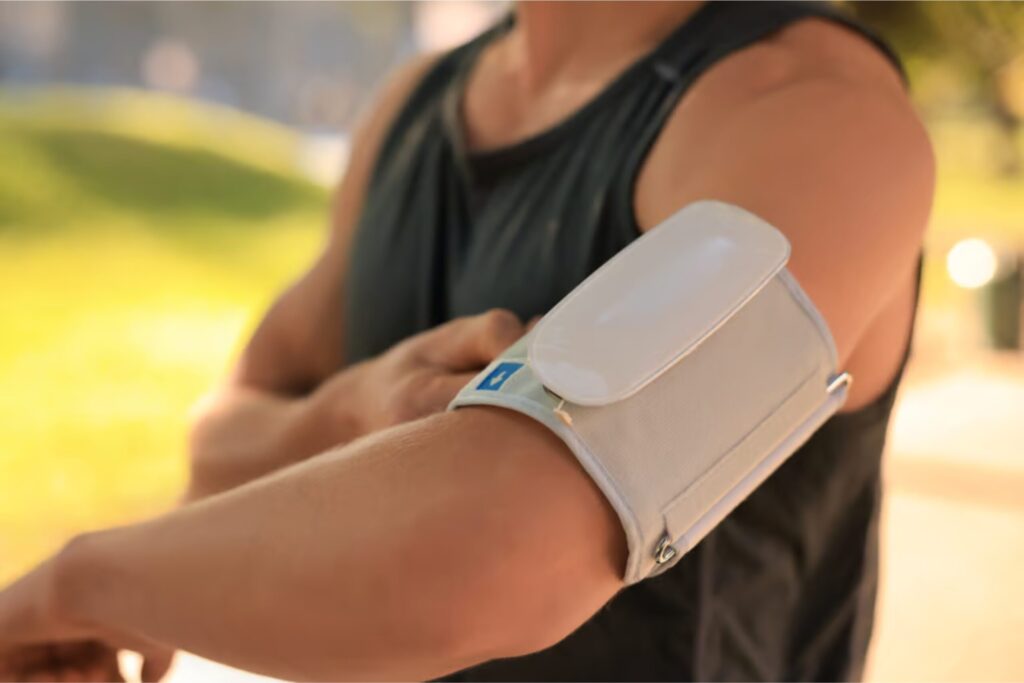
Tennis Elbow Brace for Pain Relief: How to Choose the Right One A tennis elbow brace is one of the most effective non-surgical solutions for managing pain caused by repetitive strain injuries in the elbow. Despite the name, tennis elbow (lateral epicondylitis) is not limited to athletes—it commonly affects people who perform repetitive hand or arm movements, such as office workers, laborers, and gym-goers. If you are experiencing discomfort, weakness, or stiffness in your elbow, using the right tennis elbow brace can significantly reduce pain and support healing. However, choosing the correct brace is crucial for achieving the best results. In this detailed guide, we will explain how a tennis elbow brace works, its benefits, types, how to choose the right one, and how it fits into overall tennis elbow treatment. What is Tennis Elbow? Tennis elbow is a condition caused by overuse of the forearm muscles and tendons. It leads to pain on the outer part of the elbow and can worsen with activity. Common causes include: Repetitive wrist movements Lifting heavy objects Sports activities like tennis, badminton, or cricket Typing or prolonged computer use A tennis elbow brace helps manage this condition by reducing strain on the affected tendons. What is a Tennis Elbow Brace? A tennis elbow brace is a supportive device worn around the forearm or elbow to reduce pressure on the injured tendons. It acts as an external stabilizer and redistributes force away from the painful area. Unlike a full elbow brace, a tennis elbow brace is typically smaller and designed specifically for targeted compression. How It Works Applies pressure to forearm muscles Reduces stress on the tendon attachment Improves blood circulation Minimizes pain during movement Using a tennis elbow brace regularly can support recovery and improve function. Benefits of Using a Tennis Elbow Brace 1. Pain Relief A properly fitted tennis elbow brace helps reduce discomfort by limiting excessive movement. 2. Improved Support It provides additional elbow support, especially during physical activity. 3. Faster Recovery By reducing strain, it supports healing as part of elbow pain treatment. 4. Non-Surgical Solution It is an effective option in conservative tennis elbow treatment plans. 5. Prevents Further Injury Using a tennis elbow brace can help prevent worsening of the condition. Types of Tennis Elbow Brace Choosing the right tennis elbow brace depends on your symptoms and lifestyle. 1. Counterforce Brace Most common type Worn just below the elbow Applies pressure to forearm muscles 2. Sleeve Brace Covers the entire elbow Provides compression and warmth Useful for mild to moderate pain 3. Strap Brace Lightweight and adjustable Ideal for daily use Offers targeted support 4. Hinged Elbow Brace Provides maximum stability Used in severe cases or post-injury recovery Each type of elbow brace serves a specific purpose, so selection should be based on your condition. How to Choose the Right Tennis Elbow Brace Selecting the right tennis elbow brace is essential for effective relief. 1. Identify Your Pain Level Mild pain → Sleeve brace Moderate pain → Strap brace Severe pain → Hinged brace 2. Check Size and Fit A poorly fitted tennis elbow brace may worsen symptoms. Ensure: Proper compression Comfortable fit Adjustable straps 3. Material Quality Choose breathable and skin-friendly material to avoid irritation. 4. Activity Level For sports → Lightweight brace For daily use → Comfortable elbow support For recovery → Strong elbow brace 5. Doctor Recommendation Always consult a specialist for personalized elbow joint pain treatment advice. When Should You Use a Tennis Elbow Brace? You should consider using a tennis elbow brace if you have: Persistent elbow pain Weak grip strength Difficulty lifting objects Pain during repetitive movements It is commonly recommended as part of elbow pain treatment and rehabilitation. Tennis Elbow Brace vs Elbow Support Many people confuse a tennis elbow brace with general elbow support. Feature Tennis Elbow Brace Elbow Support Purpose Targeted pain relief General stability Design Strap-based Sleeve or wrap Usage Tendon injuries Joint support Both can be used together depending on the condition. Role in Tennis Elbow Treatment A tennis elbow brace is just one part of a complete tennis elbow treatment plan. Other Treatments Include: Rest and activity modification Ice therapy Physiotherapy Medications Injections (in severe cases) Combining a tennis elbow brace with these treatments improves recovery outcomes. Exercises Along with Tennis Elbow Brace Rehabilitation exercises are essential for recovery. Recommended Exercises: Wrist extension stretch Forearm strengthening Grip exercises Resistance band workouts These exercises enhance the effectiveness of elbow joint pain treatment. Other Conditions That May Require Elbow Brace A good elbow brace may also help in: Elbow bursitis treatment Ligament injuries Post-surgery recovery Chronic joint conditions However, it is important to differentiate between conditions for proper treatment. Common Mistakes to Avoid When using a tennis elbow brace, avoid: Wearing it too tight Using the wrong size Ignoring pain symptoms Skipping physiotherapy Over-reliance without proper treatment Correct usage ensures better results. Lifestyle Tips for Faster Recovery To support healing along with a tennis elbow brace: Avoid repetitive strain Maintain proper posture Use ergonomic tools Take regular breaks Follow doctor advice These steps enhance overall elbow pain treatment outcomes. Skin and Cosmetic Concerns Some patients also search for Dark knees and elbows treatment. While unrelated to tendon injuries, maintaining skin health is important. Use moisturizers, exfoliation, and dermatological treatments if needed. When to See a Doctor Consult a specialist if: Pain persists for weeks Movement becomes restricted Swelling increases No improvement with brace use Professional evaluation ensures correct diagnosis and treatment. FAQs Does a tennis elbow brace really work? Yes, a tennis elbow brace reduces strain on tendons and helps relieve pain. How long should I wear a tennis elbow brace? You can wear it during activities that cause pain, but avoid continuous long-term use without medical advice. Can I sleep with an elbow brace? It depends on your condition. Consult your doctor for guidance. Is it better than general elbow support? A tennis elbow brace is better for targeted pain relief, while elbow support provides overall
What You Need to Know About Ankle Tendonitis and Its Causes
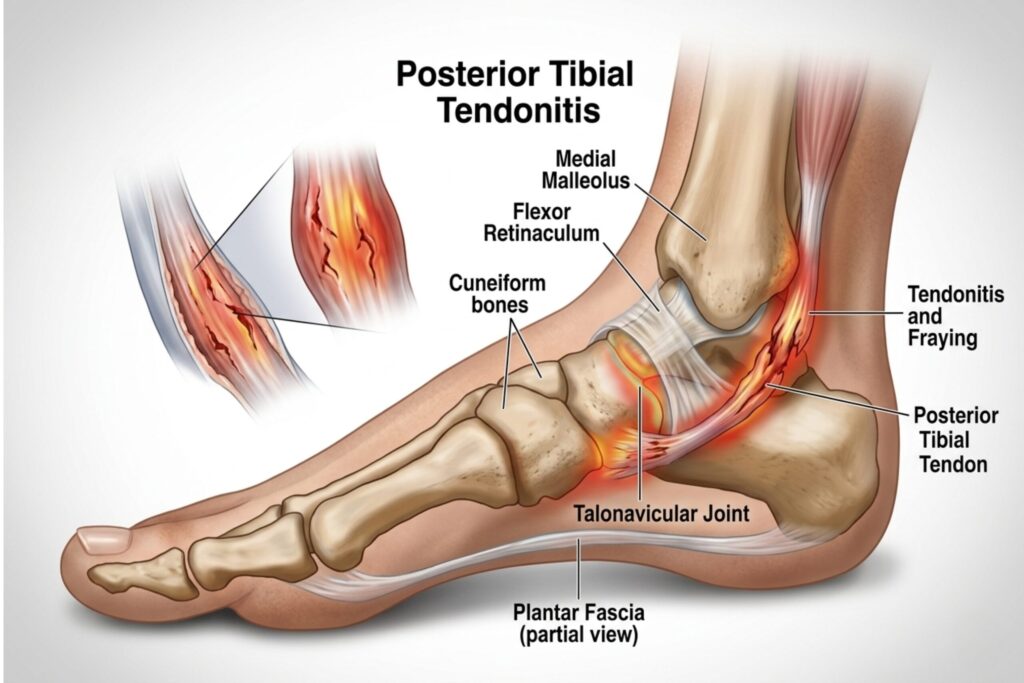
What You Need to Know About Ankle Tendonitis and Its Causes Ankle tendonitis is a common condition that causes pain, swelling, and difficulty in movement around the ankle joint. It usually develops due to overuse, sudden injury, or repetitive strain on the tendons that play a crucial role in maintaining ankle stability and smooth motion. These tendons help connect muscles to bones, allowing you to walk, run, and perform everyday activities with ease. Whether you are an athlete, someone with an active lifestyle, or even a person who walks or stands for long hours, an ankle tendon injury can significantly affect your daily routine and mobility. In some cases, ignoring early symptoms may lead to more serious issues such as chronic pain or even a tendon tear. Factors like improper footwear, lack of warm-up, and poor posture can also contribute to the condition. What is Tendonitis Ankle Tendonitis ankle refers to inflammation or irritation of the tendons surrounding the ankle joint. Tendons are strong connective tissues that attach muscles to bones and help in smooth joint movement. When these tendons become inflamed due to stress or injury, it can lead to pain and reduced mobility. In some cases, it may also involve an Ankle Tendon Tear if not treated on time. Common Tendons Affected Achilles tendon Peroneal tendons Posterior tibial tendon Anterior tibial tendon Each plays a vital role in walking, running, and maintaining balance. Causes of Tendonitis Ankle Understanding Ankle Tendonitis Causes helps in early prevention and better treatment outcomes. Common Causes Overuse or repetitive movements (running, jumping, sports) Sudden increase in physical activity Improper footwear that lacks support Weak or tight calf muscles Ankle injuries or sprains Medical and Structural Causes Flat feet or high arches Poor walking or running posture Age-related tendon degeneration Chronic conditions like arthritis Ignoring early signs may increase the risk of a severe ankle tendon injury. Symptoms of Tendonitis Ankle Recognizing ankle pain from tendonitis early can prevent complications. Symptoms may vary depending on severity. Common Symptoms Pain around the ankle, especially during movement Swelling and tenderness Stiffness, especially in the morning Warmth around the affected area Advanced Symptoms Difficulty walking or standing Weakness in the ankle from ankle ligament injury Popping or snapping sensation Signs of a possible tendon tear If pain persists, it may indicate a deeper issue requiring medical evaluation. Risk Factors Some people are more likely to develop ankle tendonitis due to lifestyle or health conditions. Key Risk Factors Athletes and runners People with physically demanding jobs Improper warm-up before exercise Obesity (extra stress on joints) Aging (reduced tendon flexibility) Other Contributing Factors Diabetes Poor circulation Previous ankle injuries Managing these risk factors can reduce the chances of recurrence. Diagnosis and Medical Tests Proper diagnosis is essential to differentiate between simple inflammation and an ankle tendon tear. Clinical Examination Doctors assess: Pain location Swelling Range of motion Walking pattern Diagnostic Tests X-rays (to rule out fractures) Ultrasound (to view tendon inflammation) MRI scan (to detect tears or severe damage) Early diagnosis helps in planning effective treatment and faster recovery. Treatment Options Treatment depends on the severity of tendonitis in the ankle. Most cases improve with conservative care. Non-Surgical Treatment 1. Rest and Activity Modification Avoid activities that worsen pain to allow healing. 2. Ice Therapy Apply ice packs for 15–20 minutes to reduce swelling. 3. Medications Doctors may prescribe anti-inflammatory medicines for pain relief. 4. Supportive Devices Ankle braces Orthotic shoe inserts Physiotherapy and Exercises Tendonitis ankle exercises play a key role in recovery: Calf stretching Heel raises Resistance band exercises Balance training These help strengthen tendons and improve flexibility. Surgical Treatment In rare cases, surgery may be needed for: Severe ankle tendon injury Complete tendon tear Chronic pain not improving with therapy Recovery and Rehabilitation Tendonitis ankle recovery time varies based on severity and treatment approach. General Recovery Timeline Mild cases: 2–3 weeks Moderate cases: 4–8 weeks Severe cases: 2–3 months or more Rehabilitation Tips Follow prescribed exercises regularly Avoid early return to sports Gradually increase activity level Maintain proper footwear support Consistency in rehabilitation is key to preventing re-injury. Prevention Tips Preventing tendonitis in the ankle is easier than treating it. Practical Prevention Strategies Warm up before exercise Wear supportive footwear Avoid sudden increase in activity Maintain a healthy weight Stretch regularly Lifestyle Tips Stay active but avoid overtraining Strengthen ankle and leg muscles Listen to your body’s pain signals These steps significantly reduce the risk of ankle tendon injury. When to See a Doctor Seek medical attention if you notice: Persistent ankle pain for more than a few days Severe swelling or bruising Difficulty walking Sudden sharp pain (possible tendon tear) Early treatment can prevent long-term complications and improve recovery outcomes. FAQs What is the fastest way to heal ankle tendonitis? Rest, ice therapy, and physiotherapy exercises are the most effective ways to speed up healing. Avoid activities that strain the ankle. How long does tendonitis ankle recovery take? Recovery time ranges from 2 weeks to 3 months depending on severity and treatment. Can tendonitis in the ankle lead to a tendon tear? Yes, untreated tendonitis can weaken tendons and increase the risk of an ankle tendon tear. What exercises help in tendonitis ankle? Stretching, strengthening, and balance exercises help improve flexibility and prevent re-injury. Is walking good for ankle tendonitis? Light walking may help, but excessive walking can worsen the condition. Follow medical advice. Conclusion Tendonitis ankle is a manageable condition when identified early and treated properly. Understanding its causes, symptoms, and recovery process helps you take timely and informed action before the condition worsens. Ignoring early signs like pain or stiffness can increase the risk of complications such as chronic inflammation or even a tendon tear. At the Centre for Sports Injury, expert care and a patient-focused approach play a key role in effective recovery. Under the guidance of Dr. Himanshu Gupta, patients receive proper diagnosis, personalized treatment plans, and rehabilitation support tailored to their condition. Seeking timely consultation and following professional advice
Knee Pain While Climbing Stairs: Causes, Symptoms & Best Treatment Options
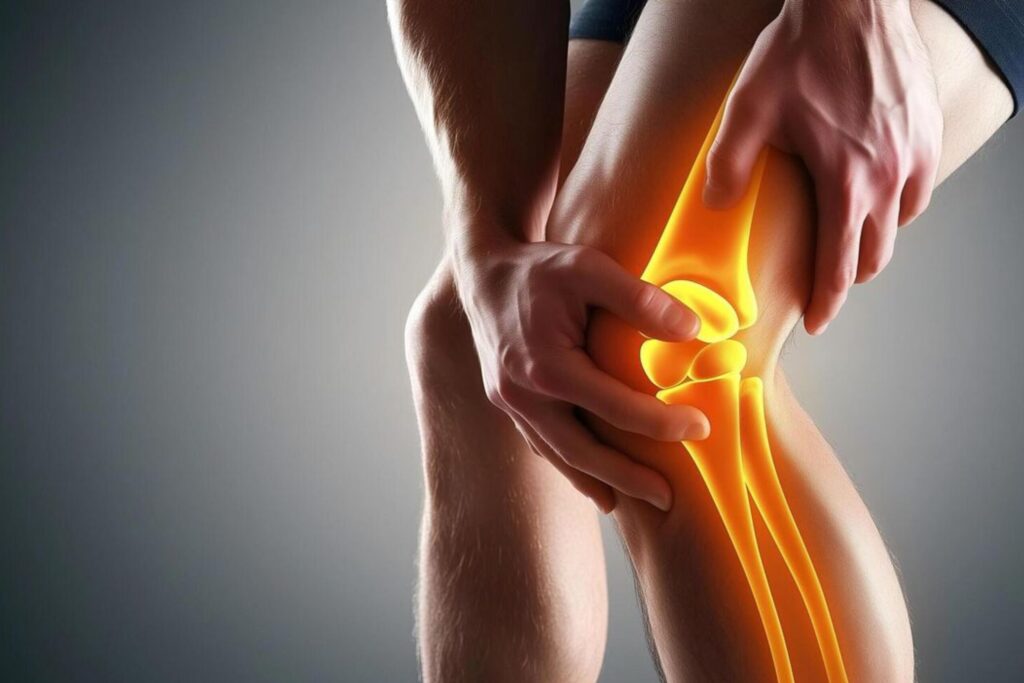
Knee Pain While Climbing Stairs: Causes, Symptoms & Best Treatment Options Knee pain while climbing stairs is a common yet often ignored problem that can significantly affect your daily life. Whether you feel a sharp pain, stiffness, or discomfort in your knee joint, this issue may indicate an underlying condition that needs timely attention. Climbing stairs puts extra pressure on the knees, making it one of the earliest activities where knee problems become noticeable. In this detailed guide, we will explore the causes, symptoms, diagnosis, and best treatment options for knee pain, helping you understand when to take action and how to recover effectively. What is Knee Pain While Climbing Stairs? Knee pain while climbing stairs occurs when the knee joint experiences stress beyond its tolerance. The knee bears up to 3–4 times your body weight when you climb stairs, which can aggravate existing issues in the joint. This type of pain is often associated with: Weak muscles Cartilage damage Joint inflammation Poor biomechanics It may also be linked to broader knee pain causes or chronic knee joint pain conditions. Common Causes of Knee Pain While Climbing Stairs Understanding the root of knee pain is essential for proper treatment. 1. Patellofemoral Pain Syndrome (Runner’s Knee) This is one of the most common causes of knee pain while climbing stairs. It occurs when the kneecap (patella) does not move properly over the joint. Symptoms: Pain around the front of the knee Clicking or grinding sensation Pain while squatting or climbing 2. Osteoarthritis Knee pain while climbing stairs is a common problem caused by weak muscles, joint wear, or injury. It can lead to discomfort, stiffness, and reduced mobility. Early diagnosis, simple exercises, and proper knee pain treatment can help relieve pain and improve daily movement. Risk factors: Age Obesity Previous injuries 3. Ligament Injuries Ligament injuries like ACL, PCL, or MCL can cause instability in the knee joint. This leads to leg knee pain, weakness, and difficulty while climbing stairs. You may also feel swelling or the knee giving way during movement. 4. Meniscus Tear A torn cartilage in the knee joint can lead to: Locking sensation Swelling Sharp pain during movement 5. Tendinitis Inflammation of tendons around the knee due to overuse can cause pain, especially during stair climbing. Symptoms You Shouldn’t Ignore If you have knee pain while climbing stairs, watch for signs like swelling, stiffness, weakness, or a popping sound. Difficulty bending or straightening the knee may also occur. These symptoms should not be ignored. Persistent pain in the knee joint Swelling or stiffness Difficulty bending or straightening the knee Cracking or popping sounds Weakness in the leg Ignoring these symptoms can make knee pain worse over time. It may increase swelling, stiffness, and damage in the knee joint. Early treatment helps reduce pain and prevents serious problems, making recovery faster and easier. How is Knee Pain Diagnosed? Proper diagnosis is crucial for effective knee joint pain treatment. Common Diagnostic Methods: Physical examination X-rays (to check bone structure) MRI (to assess soft tissues) Gait analysis At specialized centers like the Centre for Sports Injury, advanced diagnostic techniques are used to identify the exact cause of knee pain and create a personalized treatment plan. Best Treatment Options for Knee Pain While Climbing Stairs Treatment depends on the severity and underlying cause. Here are the most effective approaches: 1. Non-Surgical Treatments Most cases of knee pain treatment without surgery can be managed effectively with conservative methods: Rest & Activity Modification Avoid activities that put stress on the knee, such as excessive stair climbing or running. Physiotherapy Strengthening exercises improve muscle support around the knee. Medications Anti-inflammatory medicines help reduce pain and swelling. Knee Bracing Provides support and stability to the joint. 2. Exercises for Knee Pain Regular exercise for knee pain can significantly improve mobility and reduce discomfort. Quadriceps Strengthening Straight leg raises Wall sits Hamstring Stretch Improves flexibility and reduces strain Step-Ups (Controlled) Helps build strength gradually Cycling Low-impact activity for joint mobility 3. Advanced Non-Surgical Treatments PRP (Platelet-Rich Plasma) therapy Laser therapy Cryotherapy These therapies promote healing and reduce inflammation. 4. Surgical Treatment (If Required) If conservative treatments fail, surgery may be recommended: Arthroscopy Ligament reconstruction Knee replacement (in severe cases) Expert Care Matters For long-term relief, it is important to consult an experienced orthopedic specialist. At Centre For Sports Injury, patients receive expert care under Dr. Himanshu Gupta, a highly experienced orthopedic and sports injury specialist with over 15+ years of clinical expertise. He specializes in advanced knee treatments, minimally invasive procedures, and personalized rehabilitation programs to ensure faster recovery and long-term results. Prevention Tips for Knee Pain Preventing knee pain while climbing stairs is possible with simple lifestyle changes: Maintain a healthy weight Strengthen leg muscles regularly Use proper footwear Avoid sudden strain or overuse Warm up before exercise When Should You See a Doctor? Seek medical attention if: Pain persists for more than a week Swelling increases You cannot bear weight on your knee The knee feels unstable Early diagnosis helps identify the exact cause of knee pain quickly. It allows timely treatment, reduces the risk of complications, and improves recovery. Getting care early ensures better results and helps you return to normal activities faster. FAQs What is shoulder impingement? Shoulder impingement is a condition where the rotator cuff tendons become compressed in the shoulder joint, causing pain and restricted movement. Can shoulder impingement exercises cure the condition? In many cases, proper physiotherapy and shoulder impingement exercises can significantly reduce symptoms and restore shoulder function. How long does shoulder impingement recovery take? Recovery usually takes 4–8 weeks with proper rest, exercises, and physiotherapy. Is surgery required for shoulder impingement? Most patients improve with non-surgical treatments such as physiotherapy and shoulder impingement therapy. Which exercise is best for shoulder impingement? External rotation exercises and scapular strengthening exercises are among the most effective rehabilitation movements. Conclusion Knee pain while climbing stairs is not just a minor inconvenience—it can be an early sign of underlying
10 Shoulder Impingement Exercises to Reduce Pain and Improve Mobility
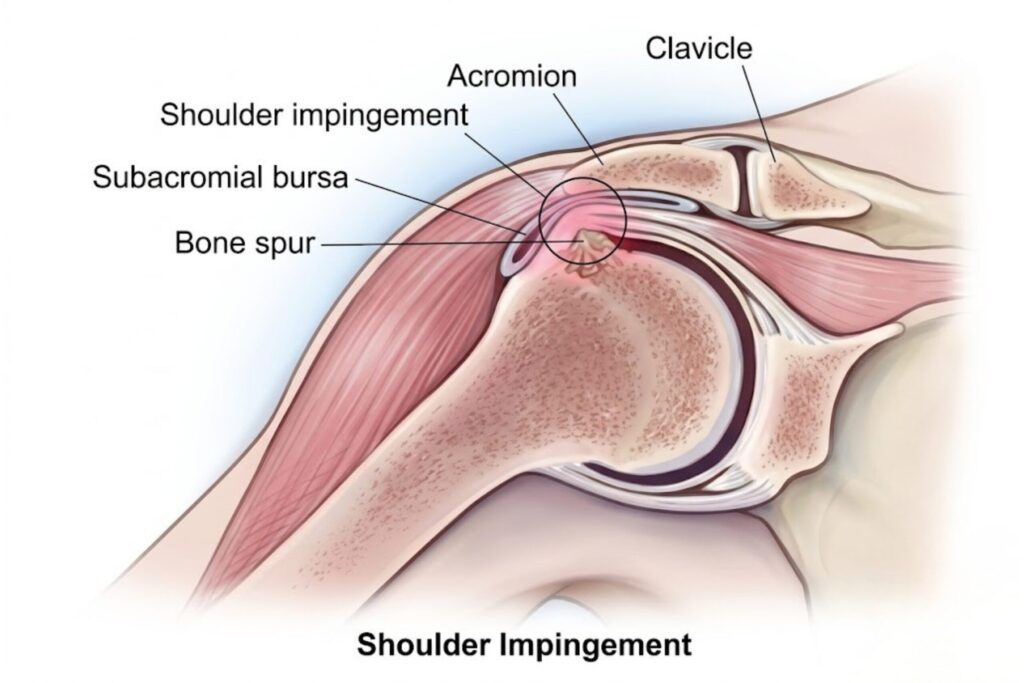
10 Shoulder Impingement Exercises to Reduce Pain and Improve Mobility Shoulder pain is a common problem among athletes, gym users, and people who perform repetitive overhead movements. One of the most frequent causes of shoulder discomfort is shoulder impingement, a condition where the tendons of the rotator cuff become compressed between the bones of the shoulder joint. Performing the right shoulder impingement exercises can help reduce pain, improve shoulder mobility, and strengthen surrounding muscles. These exercises are often recommended as part of shoulder impingement therapy or physiotherapy programs designed to restore normal shoulder function. In this guide, we will explain what shoulder impingement is, its causes, symptoms, and the best exercises that can support recovery and prevent future injuries. What is Shoulder Impingement Shoulder impingement occurs when the tendons of the rotator cuff muscles become irritated or compressed under the acromion, a part of the shoulder blade. This compression can lead to pain, inflammation, and limited shoulder movement. The condition is commonly referred to as shoulder impingement syndrome, which may develop gradually due to repetitive strain or improper shoulder mechanics. Key Shoulder Structures Involved Rotator cuff tendons Subacromial space Acromion (shoulder blade bone) Bursa (fluid-filled sac) Shoulder joint capsule When these structures become inflamed, normal shoulder movement becomes painful. Causes of Shoulder Impingement Several factors can lead to shoulder impingement syndrome. The condition often develops when shoulder tendons repeatedly rub against surrounding bones. Common Causes Repetitive overhead movements Poor shoulder posture Weak rotator cuff muscles Muscle imbalance around the shoulder Previous shoulder injuries Activities That Increase Risk Cricket bowling Tennis serves Swimming strokes Weightlifting overhead presses Manual labor involving lifting These repetitive actions place stress on the shoulder joint and may eventually cause impingement. Symptoms of Shoulder Impingement Symptoms of shoulder impingement usually develop gradually and worsen during arm movements. Common Symptoms Shoulder pain during arm lifting Pain while reaching overhead Weakness in the shoulder muscles Limited shoulder mobility Pain during sleep on the affected side Some patients may also experience clicking or discomfort during shoulder rotation. Early recognition of these symptoms is important for timely shoulder impingement treatment. Risk Factors Certain individuals have a higher risk of developing shoulder impingement syndrome. Risk Factors Include Athletes in overhead sports Age above 40 years Poor shoulder posture Rotator cuff weakness Repetitive shoulder strain People who spend long hours working at a computer or lifting heavy objects may also develop shoulder dysfunction over time. Diagnosis and Medical Tests Doctors diagnose shoulder impingement through a combination of physical examination and imaging tests. Physical Examination An orthopedic specialist may perform specific movement tests, such as: Neer impingement test Hawkins-Kennedy test Shoulder range of motion assessment Imaging Tests To confirm the diagnosis, doctors may recommend: X-ray – to detect bone abnormalities MRI scan – to evaluate rotator cuff tendons Ultrasound – to check soft tissue inflammation These tests help determine the severity of the condition and guide proper treatment. Treatment Options Treatment for shoulder impingement syndrome focuses on reducing inflammation, strengthening muscles, and restoring normal shoulder mechanics. Non-Surgical Treatment Most cases improve with conservative treatment methods. Rest and activity modification Anti-inflammatory medications Physiotherapy exercises Ice therapy for pain relief Medical Treatment If symptoms persist, doctors may recommend: Corticosteroid injections Advanced physiotherapy programs Arthroscopic shoulder surgery (in severe cases) However, exercise-based rehabilitation remains the most effective first-line approach. 10 Shoulder Impingement Exercises These shoulder impingement exercises are commonly used in physiotherapy to improve shoulder stability and strength. 1. Pendulum Exercise This gentle movement helps relax the shoulder joint. Steps: Lean forward slightly Let the affected arm hang down Move the arm in small circles 2. Wall Slide Exercise Helps improve shoulder mobility and posture. Steps: Stand facing a wall Place your forearms against it Slide arms upward slowly 3. External Rotation Exercise Strengthens the rotator cuff muscles. Steps: Hold a resistance band Keep your elbow close to your body Rotate the forearm outward slowly 4. Internal Rotation Exercise Improves shoulder stability. Steps: Attach the resistance band to a fixed object Pull the band inward across the body 5. Scapular Retraction Strengthens shoulder blade muscles. Steps: Sit upright Pull shoulder blades together Hold for a few seconds 6. Shoulder Blade Squeeze Improves posture and shoulder control. Steps: Sit or stand straight Squeeze shoulder blades gently 7. Arm Raise Exercise Enhances shoulder flexibility. Steps: Raise your arm slowly forward Stop if pain occurs 8. Cross-Body Stretch Improves shoulder flexibility. Steps: Bring one arm across the chest Use your opposite hand to stretch gently 9. Doorway Stretch Opens chest muscles and improves shoulder alignment. Steps: Place arms on the door frame Lean forward gently 10. Resistance Band Rows Strengthens upper back muscles. Steps: Hold the resistance band Pull your elbows backward slowly Perform these exercises under the guidance of a physiotherapist for safe recovery. Recovery and Rehabilitation Recovery from shoulder impingement syndrome usually takes several weeks, depending on the severity of the condition. Rehabilitation Tips Follow a regular physiotherapy program Avoid sudden overhead movements Gradually increase exercise intensity Maintain proper shoulder posture Consistent shoulder impingement therapy helps restore shoulder strength and prevent recurrence. Prevention Tips Preventing shoulder impingement involves maintaining good shoulder mechanics and muscle strength. Prevention Strategies Perform shoulder strengthening exercises Warm up before sports activities Maintain good posture Avoid repetitive strain Strengthen rotator cuff muscles Athletes should also include shoulder mobility training in their regular workout routines. When to See a Doctor You should consult a doctor if: Shoulder pain lasts more than two weeks Pain interferes with daily activities Arm weakness becomes noticeable Shoulder movement becomes severely restricted Early evaluation by an orthopedic specialist can prevent complications and speed up recovery. FAQs What is shoulder impingement? Shoulder impingement is a condition where the rotator cuff tendons become compressed in the shoulder joint, causing pain and restricted movement. Can shoulder impingement exercises cure the condition? In many cases, proper physiotherapy and shoulder impingement exercises can significantly reduce symptoms and restore shoulder function. How long does shoulder impingement recovery take? Recovery usually takes 4–8 weeks with
Top Causes of Knee Pain in Young Adults & How to Prevent It Early
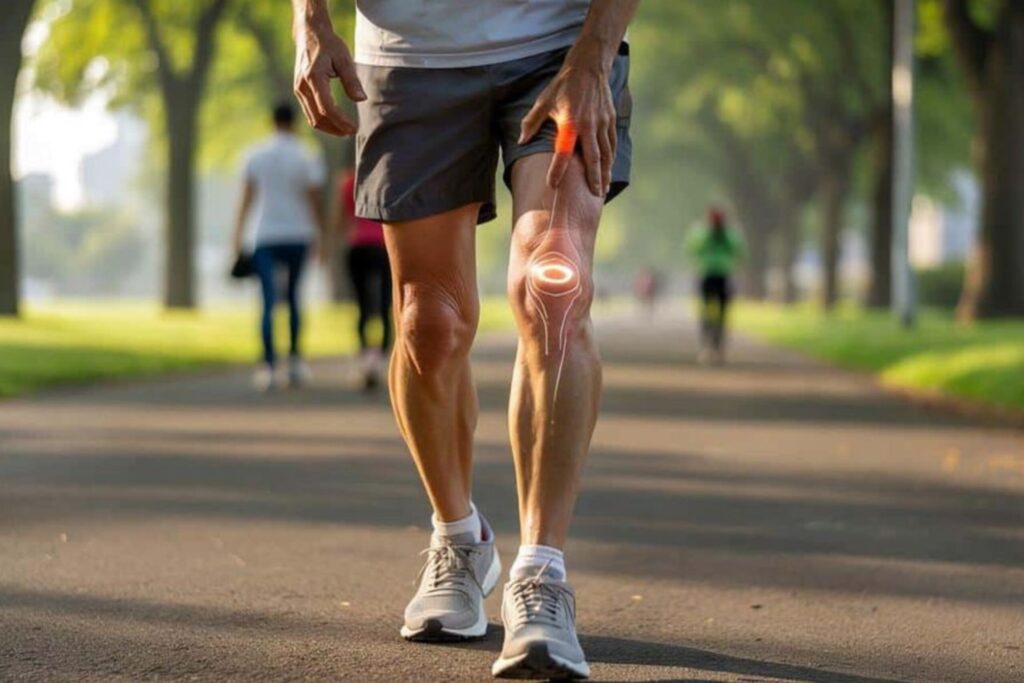
Top Causes of Knee Pain in Young Adults & How to Prevent It Early Knee pain is no longer limited to older individuals. Today, a growing number of young adults are experiencing discomfort, stiffness, and mobility issues in their knees due to modern lifestyle patterns, sports injuries such as knee ligament injury, and poor posture. Understanding the causes of knee pain in young adults is essential for early intervention, prevention, and long-term joint health. This comprehensive guide explores the root causes, symptoms, diagnosis, treatment, and preventive strategies to help you manage and avoid knee-related issues effectively. What is Causes of Knee Pain in Young Adults The term causes of knee pain in young adults refers to various underlying conditions, injuries, or lifestyle factors that lead to discomfort or pain in the knee joint among individuals typically aged 18–40. Unlike age-related degeneration, knee pain in this group is often associated with physical activity, muscle imbalance, or improper biomechanics. Knee pain can range from mild irritation to severe pain that affects daily activities such as walking, climbing stairs, or exercising. It may also be acute (sudden) or chronic (long-term). Causes of Knee Pain in Young Adults Understanding the causes of knee pain in young adults is critical for choosing the right treatment and prevention plan. Below are the most common factors: 1. Sports Injuries High-impact sports like football, basketball, and running often lead to injuries such as ligament tears (ACL, MCL), meniscus damage, or tendon strain. These are major reasons for knee pain in active individuals. 2. Overuse and Repetitive Stress Repeated stress on the knee joint due to excessive workouts or improper training can cause inflammation. Conditions like runner’s knee are common examples. 3. Poor Posture and Lifestyle Sedentary lifestyle, prolonged sitting, and incorrect posture increase pressure on the knees, leading to knee joint pain over time. 4. Muscle Imbalance Weak quadriceps or hamstrings can cause uneven stress distribution, resulting in knee discomfort and instability. 5. Obesity or Weight Gain Excess weight increases pressure on knees, causing faster joint wear, pain, and long-term damage, especially during walking, running, or climbing stairs. 6. Improper Footwear Unsupportive shoes disturb body alignment, putting uneven stress on knees and leading to pain, discomfort, and increased injury risk over time. 7. Hormonal Factors (Especially in Women) Hormonal changes can weaken ligaments, increasing joint laxity and making women more prone to knee pain and injuries during daily or physical activities. 8. Medical Conditions Issues like patellar tracking disorder or early arthritis affect joint function, causing pain, stiffness, and reduced mobility if not treated properly. Symptoms of Causes of Knee Pain in Young Adults The symptoms vary depending on the underlying cause but commonly include: Persistent or intermittent knee joint pain Swelling and inflammation Stiffness or reduced mobility Clicking or popping sound Pain while climbing stairs or bending Weakness or instability Ignoring these symptoms may worsen the condition and delay recovery. Risk Factors Several factors increase the likelihood of developing knee pain: Lack of physical activity Poor fitness level Improper exercise techniques Previous injuries Excess body weight Occupations requiring prolonged standing or sitting Gender (higher risk of knee pain in ladies) Identifying these risk factors early can help in prevention. Diagnosis and Medical Tests Accurate diagnosis is essential to identify the exact causes of knee pain in young adults and ensure effective treatment. Doctors may use physical exams, imaging tests like X-rays or MRI, and functional assessments to evaluate joint health, detect injuries, and plan the right treatment approach. Physical Examination Assessment of movement, swelling, and pain points. Imaging Tests X-ray: Detects bone-related issues MRI: Identifies ligament or cartilage damage Blood Tests Used to rule out infections or inflammatory conditions. Functional Tests Evaluate joint stability and mobility. Treatment Options Treatment depends on the severity and cause of the condition. Common knee pain solutions include: 1. Rest and Activity Modification Reducing physical strain helps in recovery. 2. Medications Pain relievers and anti-inflammatory drugs provide temporary knee pain relief. 3. Physiotherapy Targeted exercises improve strength and flexibility. 4. Knee Support Using the best knee cap for pain relief helps stabilize the joint and reduce pressure. 5. Cold and Heat Therapy Ice packs reduce swelling, while heat improves blood circulation. 6. Injections or Surgery In severe cases, medical procedures may be required. Recovery and Rehabilitation Recovery plays a key role in preventing recurrence. A structured rehabilitation plan includes: Gradual return to activity Strength training exercises Flexibility improvement Regular physiotherapy sessions Practicing knee pain relief exercises consistently ensures faster healing and better joint function. Prevention Tips Preventing knee pain is always better than treating it. Here are effective strategies: Maintain Healthy Weight Reducing body weight minimizes stress on the knee. Exercise Regularly Focus on strengthening leg muscles. Use Proper Footwear Choose shoes with good support and cushioning. Warm-Up Before Workouts Prepares muscles and reduces injury risk. Practice Good Posture Avoid long periods of sitting or standing. Avoid Overtraining Give your body adequate rest and recovery time. Following these steps can significantly reduce the risk of developing knee pain in the future. When to See a Doctor You should consult a medical professional if: Pain persists for more than a few days Swelling increases Difficulty in walking or bending Knee feels unstable or gives way Pain worsens despite home remedies Early diagnosis ensures effective treatment and prevents complications. FAQs What are the most common causes of knee pain in young adults? The most common causes of knee pain in young adults include sports injuries, overuse, poor posture, obesity, and muscle imbalance. Can knee pain in young adults be permanent? No, most cases are treatable with proper care, physiotherapy, and lifestyle changes. How can I get fast knee pain relief? Rest, ice therapy, medications, and knee pain relief exercises can help reduce pain quickly. Is knee pain more common in women? Yes, due to hormonal and anatomical differences, knee pain in ladies is relatively more common. What is the best knee pain solution at home? Maintaining proper posture, using support like the best
Hairline Fracture Recovery Time: Healing Process, Care & Precautions
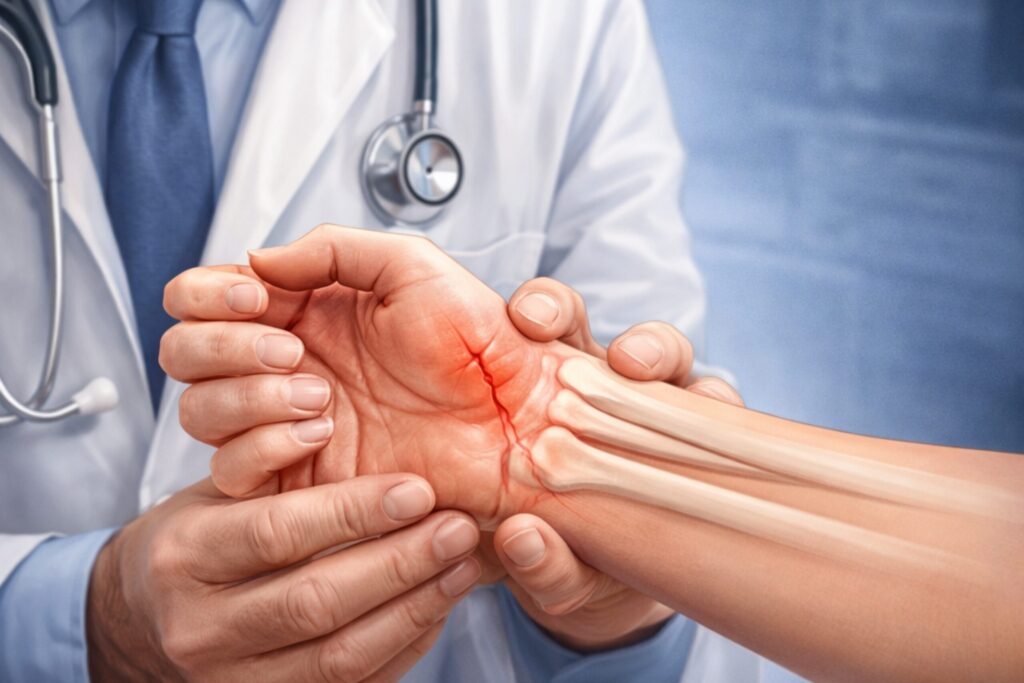
Hairline Fracture Recovery Time: Healing Process, Care & Precautions A hairline fracture (also known as a stress fracture) is a small crack in the bone that often develops due to repetitive stress, overuse, or minor trauma. Unlike a complete fracture, a hairline fracture is not always immediately visible but can cause significant discomfort if left untreated. Understanding the hairline fracture recovery time, healing stages, and proper care is essential for faster recovery and preventing complications. This guide explains everything in simple language so patients can make informed decisions. What is a Hairline Fracture? A hairline fracture is a thin crack in the bone that usually occurs due to repeated pressure rather than a sudden injury. It is commonly seen in athletes, runners, and individuals involved in physical activities. From a medical perspective, hairline fractures fall under the category of stress injuries within bone fractures and are often linked to micro-damage in bone tissue. Common Types: Hairline fracture of the ankle Hairline fracture of the wrist Hairline fracture of the hand Hairline fracture of the foot Hairline Fracture Symptoms Recognizing hairline fracture symptoms early can help prevent worsening of the injury. Common Symptoms: Localized pain that increases with activity Swelling around the affected area Tenderness on touch Mild bruising Difficulty in movement Unlike major fractures, pain from a hairline fracture may reduce during rest but return during activity. Causes of Hairline Fracture Hairline fractures usually occur due to repetitive stress rather than a single traumatic event. Major Causes: Overuse (running, jumping, sports activities) Sudden increase in physical activity Weak bones (linked to Osteoporosis) Improper footwear Nutritional deficiencies (calcium, vitamin D) Hairline Fracture Recovery Time The hairline fracture recovery time varies depending on the location, severity, and overall health of the patient. Average Recovery Timeline: Mild cases: 4–6 weeks Moderate cases: 6–8 weeks Severe cases: 8–12 weeks For example: Hairline fracture ankle: 6–8 weeks Hairline fracture wrist: 4–6 weeks Hairline fracture hand: 3–6 weeks Recovery may take longer if the injury is ignored or if proper rest is not taken. Healing Process of Hairline Fracture Understanding the healing stages helps patients track their recovery. 1. Inflammatory Stage (0–7 days) Swelling and pain occur Blood clots form around the fracture 2. Reparative Stage (1–4 weeks) New bone tissue (callus) starts forming Pain gradually reduces 3. Remodeling Stage (4–12 weeks) Bone strengthens and returns to its normal shape This biological healing process is similar to how the body repairs a Stress Fracture. Hairline Fracture Treatment Proper hairline fracture treatment is crucial for faster recovery. Non-Surgical Treatment: Rest and activity restriction Ice therapy to reduce swelling Immobilization (brace, splint, or cast) Pain relief medications like Ibuprofen Advanced Treatment (if needed): Physiotherapy Bone stimulation therapy Rarely, surgery in complicated cases Hairline Fracture Ankle: Special Care A hairline fracture ankle is common among runners and athletes. Care Tips: Avoid weight-bearing activities Use ankle support or brace Elevate the foot to reduce swelling Ignoring ankle injuries can lead to complications affecting mobility. Hairline Fracture Wrist & Hand Hairline Fracture Wrist: Often caused by falls Requires immobilization with a splint Hairline Fracture Hand: Common in sports injuries Needs proper rest and limited movement These injuries can affect daily activities, so early treatment is important. Diet for Faster Recovery Nutrition plays a key role in reducing hairline fracture recovery time. Recommended Nutrients: Calcium-rich foods (milk, cheese) Vitamin D (sunlight exposure) Protein for tissue repair Magnesium and zinc A balanced diet supports bone healing and prevents future fractures. Do’s and Don’ts During Recovery Do’s: Take proper rest Follow the doctor’s advice Use support devices Maintain a healthy diet Don’ts: Avoid heavy exercise Do not ignore pain Avoid smoking and alcohol Complications of Untreated Hairline Fracture If not treated properly, a hairline fracture can lead to: Complete bone fracture Chronic pain Delayed healing Reduced mobility In some cases, it may worsen into severe orthopedic conditions requiring advanced care. When to See a Doctor? Consult a specialist if: Pain persists for more than a week Swelling increases Difficulty in movement No improvement with rest Early diagnosis using X-rays or MRI helps in faster treatment. Prevention Tips Preventing a hairline fracture is always better than treatment. Tips: Wear proper footwear Avoid sudden increase in activity Maintain bone strength Take adequate rest between workouts FAQs What is a hairline fracture? A hairline fracture is a small crack in the bone caused by repetitive stress or minor injury. What is the hairline fracture recovery time? The hairline fracture recovery time usually ranges from 4 to 8 weeks, depending on the severity and location. What are common hairline fracture symptoms? Common symptoms include pain, swelling, tenderness, and difficulty in movement. How is hairline fracture treatment done? Treatment includes rest, immobilization, pain relief medications, and sometimes physiotherapy. Can a hairline fracture heal without a cast? Yes, mild cases may heal with rest and support, but medical evaluation is always recommended. Conclusion A hairline fracture may seem minor, but it requires proper attention and care. Understanding the hairline fracture recovery time, symptoms, and treatment can help patients recover faster and avoid complications. With the right combination of rest, nutrition, and medical guidance, most hairline fractures heal completely within a few weeks. Always consult a qualified orthopedic specialist for accurate diagnosis and treatment.
Arthroscopic ACL Reconstruction: Procedure, Recovery Time & Success Rate Explained
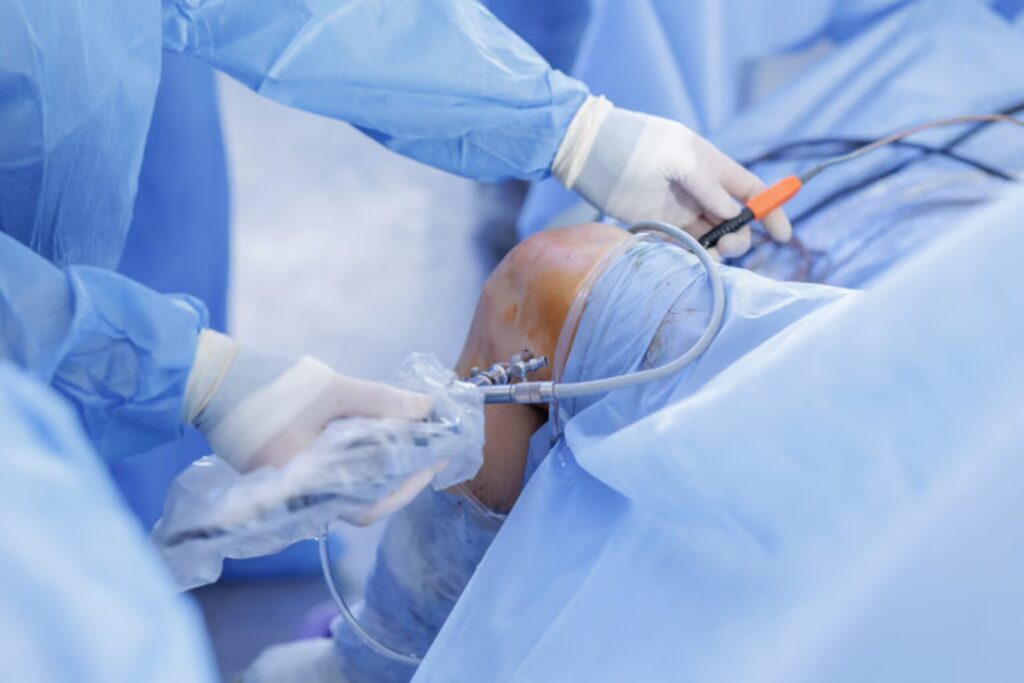
Arthroscopic ACL Reconstruction: Procedure, Recovery Time & Success Rate Explained Arthroscopic ACL reconstruction is one of the most advanced and commonly performed orthopedic procedures to treat a torn anterior cruciate ligament (ACL) in the knee. The ACL plays a critical role in stabilizing the knee joint, especially during activities like running, jumping, and sudden direction changes. Injuries to the ACL are very common among athletes and even in daily life due to accidents, falls, or sports trauma. When the ligament is completely torn or severely damaged, ACL reconstruction surgery is often recommended to restore knee stability and function. This blog will provide a complete, patient-friendly guide to Arthroscopic ACL reconstruction, including procedure details, recovery timeline, success rate, cost, and important precautions. What is Arthroscopic ACL Reconstruction? Arthroscopic ACL reconstruction is a minimally invasive surgical procedure used to replace a torn ACL with a graft (tissue taken from your own body or a donor). The surgery is performed using an arthroscope—a small camera inserted into the knee through tiny incisions. Unlike traditional open surgery, arthroscopy offers: Smaller cuts Less pain Faster recovery Better precision This procedure is widely considered the gold standard for ACL injury treatment. Causes of ACL Injury Understanding the cause of ACL injury helps in prevention and early treatment. Common causes include: Sudden twisting or pivoting movements Landing incorrectly after a jump Direct impact during sports (football, cricket, basketball) Road accidents or falls In some cases, people may experience a partial ACL tear, where the ligament is not completely torn but still causes instability. Symptoms of ACL Injury If you have an ACL injury, you may notice: A “popping” sound at the time of injury Severe knee pain Swelling within a few hours Difficulty in walking or bearing weight Knee instability or “giving way” sensation Early diagnosis is important for effective ACL injury treatment. When Do You Need Arthroscopic ACL Reconstruction? Not every ACL injury requires surgery. However, Arthroscopic ACL reconstruction is recommended in the following cases: Complete ACL tear Persistent knee instability Active individuals or athletes Failure of non-surgical treatment Associated injuries like meniscus tear For a partial ACL tear, doctors may initially suggest physiotherapy, but surgery may be needed if symptoms worsen. Arthroscopic ACL Reconstruction Procedure Step-by-Step Process of Arthroscopic ACL Reconstruction Here’s how Arthroscopic ACL reconstruction is performed: 1. Pre-Surgery Preparation Physical examination and MRI scan Blood tests and medical evaluation Prehabilitation exercises to strengthen muscles 2. Anesthesia The patient is given spinal or general anesthesia 3. Arthroscopy Small incisions are made around the knee An arthroscope (camera) is inserted to visualize the joint 4. Removal of Damaged Ligament The torn ACL is removed carefully 5. Graft Selection Common graft options include: Hamstring tendon Patellar tendon Donor graft (allograft) 6. Graft Placement The new ligament is fixed using screws or implants 7. Closure Incisions are closed with stitches The entire ACL reconstruction surgery usually takes around 1 to 2 hours. Benefits of Arthroscopic ACL Reconstruction Choosing Arthroscopic ACL reconstruction offers several advantages: Minimally invasive technique Faster recovery compared to open surgery Less post-operative pain Smaller scars High success rate Early return to sports and activities Arthroscopic ACL Reconstruction Recovery Time Recovery after Arthroscopic ACL reconstruction depends on several factors like age, fitness level, and adherence to rehabilitation. Recovery Timeline Week 1–2 Pain and swelling reduce Walking with support Basic exercises start Week 3–6 Improved knee movement Strengthening exercises Reduced dependency on crutches 2–3 Months Increased strength and flexibility Light physical activities 4–6 Months Advanced physiotherapy Jogging and sports drills 6–9 Months Return to sports (depending on recovery) Proper rehabilitation is crucial for the success of ACL reconstruction surgery. Physiotherapy After Arthroscopic ACL Reconstruction Physiotherapy plays a key role in recovery: Improves range of motion Strengthens muscles Prevents stiffness Reduces risk of re-injury Skipping rehab can lead to complications and poor outcomes. Success Rate of Arthroscopic ACL Reconstruction The success rate of Arthroscopic ACL reconstruction is very high, typically around 85% to 95%. Factors affecting success include: Surgeon’s expertise Patient’s age and fitness Proper rehabilitation Type of graft used Most patients return to normal activities and sports after successful ACL reconstruction surgery. ACL Surgery Cost in India The ACL surgery cost in India varies based on hospital, surgeon, and city. Average Cost Range: ₹80,000 to ₹2,50,000 Factors Affecting Cost: Type of hospital (private/government) Surgeon’s experience Type of graft used Implant quality Post-surgery rehabilitation The ACL reconstruction surgery cost may also include diagnostic tests, hospital stay, and physiotherapy sessions. Risks and Complications Although Arthroscopic ACL reconstruction is safe, some risks may include: Infection Blood clots Knee stiffness Graft failure Persistent pain Bad Signs After ACL Surgery Watch out for these bad signs after ACL surgery: Severe swelling that doesn’t reduce Continuous pain Fever or infection signs Limited knee movement Instability even after surgery If you notice these symptoms, consult your doctor immediately. Tips for Faster Recovery To ensure a smooth recovery after Arthroscopic ACL reconstruction, follow these tips: Follow your physiotherapy routine strictly Avoid high-impact activities early Maintain a healthy diet Keep your weight under control Use knee braces if recommended Prevention of ACL Injuries Preventing ACL injuries is always better than treatment. You can reduce risk by: Strength training exercises Proper warm-up before sports Using correct techniques during activities Wearing proper footwear FAQs What is Arthroscopic ACL reconstruction? Arthroscopic ACL reconstruction is a minimally invasive surgery to replace a torn ACL using a graft and a camera-guided technique. How long does it take to recover from ACL reconstruction surgery? Recovery from ACL reconstruction surgery usually takes 6 to 9 months, depending on rehabilitation and patient condition. What is the success rate of Arthroscopic ACL reconstruction? The success rate of Arthroscopic ACL reconstruction is around 85% to 95%. What is the ACL surgery cost in India? The ACL surgery cost in India ranges between ₹80,000 to ₹2,50,000, depending on multiple factors. When can I return to sports after ACL reconstruction? Most patients can return to sports 6–9 months after Arthroscopic ACL reconstruction, based on recovery progress.


