How Do You Fix Knock Knees Safely? Medical vs Natural Treatment Options
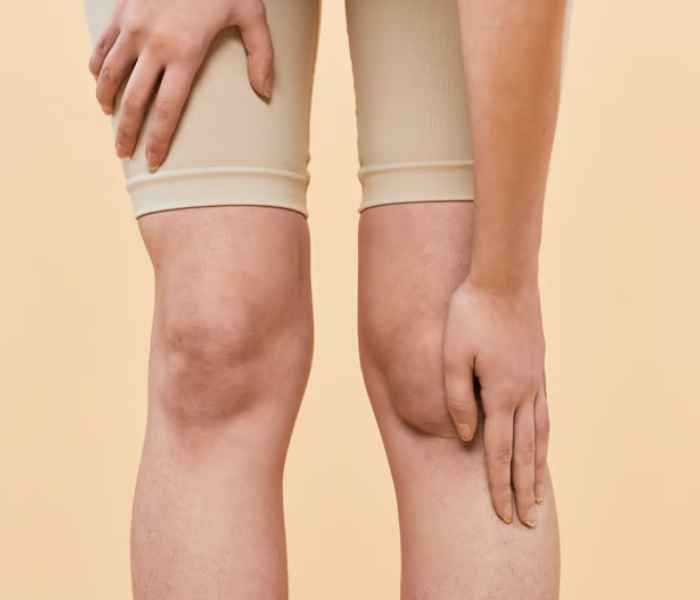
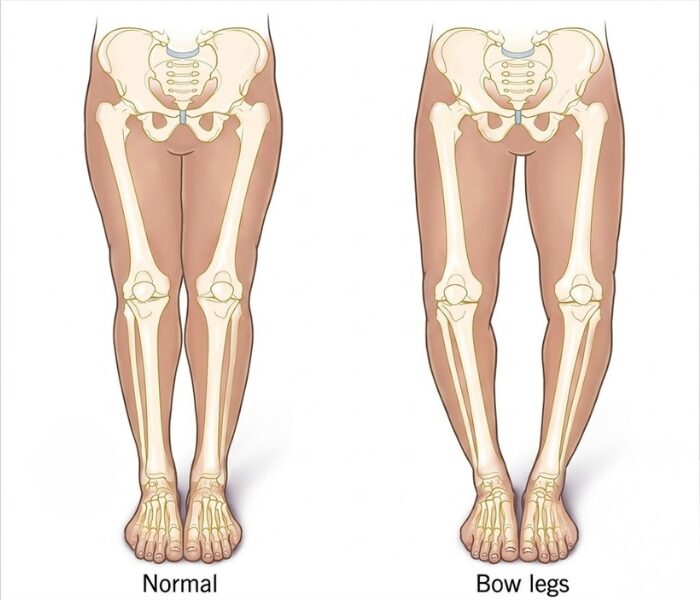
Knock knees, medically known as Genu Valgum, is a condition where the knees touch each other while the ankles remain apart. It is common in children but can persist into adulthood, causing discomfort, poor posture, and walking difficulties. Many people often ask, how do you fix knock knees safely without surgery.
The good news is that there are multiple solutions available—from natural correction techniques to advanced medical treatments. This guide explains the causes, symptoms, and the best ways to improve knee alignment using exercises, physiotherapy, and clinical care.
What is How Do You Fix Knock Knees?
Knock knees refer to a misalignment of the legs where the knees angle inward, a condition medically known as Genu Valgum. When standing straight, the knees touch each other while the ankles remain apart, which can affect balance, walking pattern, and overall posture over time. If not addressed, this misalignment may gradually put extra stress on the joints and surrounding muscles.
Fixing knock knees depends on factors like age, severity, and underlying cause. Mild cases can often be improved through how to correct knee alignment naturally, including targeted exercises, posture correction, and muscle strengthening. However, in more severe cases or when symptoms persist, medical treatments such as physiotherapy or orthopedic intervention may be required to restore proper alignment and prevent long-term complications.
Causes of How Do You Fix Knock Knees
Understanding the cause is essential before choosing the best treatment for knee alignment problems, because treatment works best when it targets the root issue—not just the symptoms. Knock knees, medically known as Genu Valgum, can develop due to a combination of physical, nutritional, and lifestyle factors.
Common Causes:
Genetic factors (inherited bone structure)
Nutritional deficiencies, especially Vitamin D and calcium
Obesity, putting extra pressure on knees
Injuries affecting joints or bones
Conditions like Rickets
Weak muscles around hips and thighs
In adults, lifestyle factors and improper posture play a major role.
Symptoms of How Do You Fix Knock Knees
Knock knees may not always cause immediate pain, but they can gradually lead to long-term complications if left untreated. Over time, the improper alignment of the knees (Genu Valgum) puts uneven pressure on the joints, which can affect walking, posture, and overall mobility.
Common Symptoms:
Knees touching while standing straight
Ankles remaining apart
Difficulty walking or running
Knee pain or stiffness
Poor posture or imbalance
In severe cases, it may affect joint health and lead to Osteoarthritis.
Risk Factors
Certain factors increase the chances of developing knock knees:
Childhood growth abnormalities
Poor nutrition
Sedentary lifestyle
Excess body weight
Previous joint injuries
Weak lower body muscles
Women may also experience alignment issues due to wider pelvic structure.
Diagnosis and Medical Tests
A proper diagnosis is important before starting treatment because it helps identify the exact cause and severity of the condition. Knock knees (Genu Valgum) can develop due to different reasons such as muscle imbalance, bone structure issues, or underlying medical conditions. Without accurate diagnosis, the treatment may not be effective.
Common Diagnostic Methods:
Physical examination by an orthopedic specialist
Measurement of knee alignment
X-rays to assess bone structure
Gait analysis (walking pattern study)
Doctors may also evaluate muscle strength and joint flexibility.
Treatment Options
Treatment depends on severity. Let’s explore both natural and medical approaches.
How to Correct Knee Alignment Naturally
Mild cases can be improved with lifestyle changes and targeted exercises.
Effective Natural Methods:
Weight management
Proper posture correction
Stretching and strengthening exercises
Balanced diet rich in calcium and Vitamin D
Exercises to Fix Inward Knees
Regular exercise plays a key role in improving alignment.
Recommended Exercises:
Squats
Lunges
Leg raises
Clamshell exercise
Resistance band workouts
These exercises strengthen hip abductors and thigh muscles, helping align the knees properly.
Physiotherapy for Knee Alignment Issues
Physiotherapy is one of the most effective non-surgical options.
Benefits:
Improves muscle balance
Enhances joint stability
Reduces pain
Corrects walking posture
A physiotherapist designs a personalized plan based on your condition.
Knock Knees Treatment Without Surgery
Non-surgical options are preferred in most cases:
Orthotic shoe inserts
Braces for alignment support
Strength training programs
Lifestyle modification
These methods are safe and effective for gradual correction.
Medical & Surgical Treatment
In severe cases, doctors may recommend surgery such as:
Guided growth surgery (in children)
Osteotomy (bone correction surgery)
These procedures are usually considered when other treatments fail.
Recovery and Rehabilitation
Recovery depends on the treatment type.
Key Recovery Tips:
Follow physiotherapy exercises regularly
Avoid high-impact activities initially
Maintain a healthy weight
Stay consistent with rehabilitation
Most patients see improvement within a few months with proper care.
Prevention Tips
Preventing knee alignment issues is easier than treating them.
Practical Tips:
Maintain proper posture
Exercise regularly
Strengthen leg and hip muscles
Eat a balanced diet
Avoid prolonged sitting
Early intervention can prevent complications.
When to See a Doctor
Consult a doctor if you notice:
Persistent knee pain
Difficulty walking
Severe misalignment
No improvement with exercises
Early medical attention ensures better outcomes.
FAQs
How do you fix knock knees naturally?
You can fix mild knock knees through exercises, weight management, and posture correction.
Are exercises effective for inward knees?
Yes, exercises to fix inward knees strengthen muscles and improve alignment over time.
Can knock knees be corrected without surgery?
Yes, most cases respond well to physiotherapy and non-surgical treatments.
How long does it take to correct knee alignment?
It may take 3–6 months, depending on the severity and consistency of treatment.
Is physiotherapy helpful for knee alignment issues?
Yes, physiotherapy is one of the best treatments for knee alignment problems.
Conclusion
Understanding how you fix knock knees means taking early and consistent action. When knees are misaligned (Genu Valgum), it puts extra stress on joints and can lead to pain or even Osteoarthritis over time.
The good news is that mild cases can improve with simple steps like exercises (Squats, Lunges), weight control, and posture correction. For better results, Physiotherapy helps strengthen muscles and improve alignment faster.