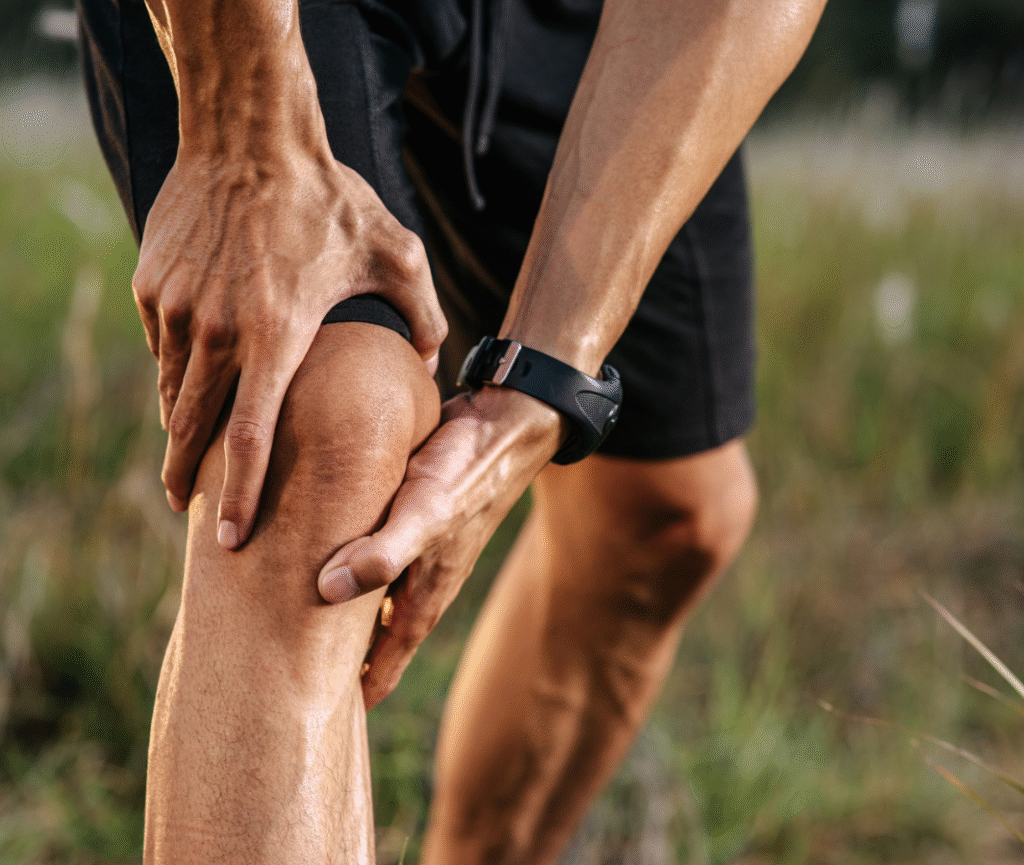
What Is a Knee Ligament Injury? Symptoms, Treatment & Recovery
The knee is one of the most active and important joints in the human body. It supports body weight, allows movement, and absorbs shock during daily activities such as walking, climbing stairs, running, or playing sports. Because of this constant use, the knee can easily get injured, particularly the ligaments. A knee ligament injury can suddenly limit mobility and make even simple movements uncomfortable or painful.
For many people, a knee injury brings uncertainty. Questions about recovery time, treatment options, and long-term impact are common. With the right understanding, timely medical care, and a structured rehabilitation plan, most individuals can recover well and regain confidence in knee movement. This guide explains the condition in a clear, human, and practical manner.
Understanding Knee Ligament Injury
Ligaments are strong yet flexible connective tissues that join bones together and guide joint motion. In the knee, ligaments work together to maintain stability while allowing controlled movement. When one of these ligaments is overstretched or torn, joint balance is affected, leading to pain, swelling, and instability.
Posterior Cruciate Ligament (PCL): Prevents backward movement of the shinbone
Medial Collateral Ligament (MCL): Supports the inner side of the knee
Lateral Collateral Ligament (LCL): Stabilizes the outer side of the knee
Damage to any of these structures may result in a knee ligament injury that ranges from mild stretching to complete rupture.
Common Causes of Knee Ligament Injury
Knee ligament damage usually occurs when the joint is forced into an unnatural position. Sudden movements or external force are the most common triggers.
Frequent Causes Include
Sudden twisting or pivoting of the knee
Landing awkwardly after jumping
Direct impact during sports or accidents
Slipping or falling on uneven surfaces
Road traffic accidents
While athletes are at higher risk due to intense physical activity, non-athletes can also experience knee ligament injury during routine daily movements.
Knee Ligament Injury Symptoms
Recognizing knee ligament injury symptoms early plays an important role in preventing further damage and improving recovery outcomes.
Early Symptoms
Sudden pain at the time of injury
Swelling develops within a few hours
Stiffness or reduced range of motion
Tenderness around the knee joint
Progressive Symptoms
Knee instability or a feeling of giving way
Difficulty bearing weight on the affected leg
Pain while walking or climbing stairs
Reduced confidence during movement
Ignoring these signs may prolong the knee ligament injury recovery period and increase the risk of chronic joint problems.
Diagnosis of Knee Ligament Injury
Proper diagnosis helps determine the severity of injury and the most effective treatment plan.
Clinical Examination
A specialist evaluates:
Knee stability
Pain response
Range of motion
Ligament integrity through physical tests
Imaging Tests
X-rays: Used to rule out fractures or bone injury
MRI scans: Provide detailed images of ligament tears and soft tissue damage
Treatment is tailored according to the severity of injury, activity level, and individual needs.
Non-Surgical Knee Ligament Injury Treatment
Many ligament injuries heal well without surgery when managed correctly. Conservative care may include:
Rest and temporary activity modification
Ice application to reduce swelling
Anti-inflammatory medications
Structured physiotherapy programs
This approach is commonly recommended for mild to moderate injuries with stable knee joints.
Surgical Treatment
Surgery may be advised when:
A ligament is completely torn
Knee instability persists despite rehabilitation
High joint performance is required for sports or work
Post-surgical rehabilitation is essential for restoring knee strength and function.
Knee Ligament Injury Treatment Exercises
Exercise-based rehabilitation is a key part of healing and long-term knee stability.
Early-Phase Exercises
Gentle range-of-motion movements
Isometric quadriceps contractions
Straight leg raises
Strengthening and Control Phase
Hamstring and quadriceps strengthening
Balance and coordination training
Controlled functional movements
Knee ligament injury treatment exercises should always be performed under professional supervision to avoid complications.
Knee Support for Ligament Injury
External knee support can provide extra stability during recovery, and using a knee brace for ACL injuries helps protect the joint, reduce strain on healing ligaments, and improve confidence in movement.
Benefits of Knee Support
Reduces stress on healing ligaments
Improves joint alignment
Enhances confidence during walking
Minimizes sudden knee instability
Common Types of Support
Elastic compression sleeves
Hinged knee braces
Functional sports braces
The choice of knee support for ligament injury depends on the stage of recovery and activity level.
Knee Ligament Injury Recovery Period
The knee ligament injury recovery period varies from person to person and depends on multiple factors.
Factors Affecting Recovery
Type of ligament involved
Grade of injury
Treatment approach
Age and overall physical condition
Estimated Recovery Period
Injury Grade
Treatment Method
Expected Recovery Period
Grade 1 (Mild)
Rest and physiotherapy
2–4 weeks
Grade 2 (Moderate)
Brace and rehab
6–10 weeks
Grade 3 (Severe)
Surgery and rehab
6–9 months
Consistency and patience are essential throughout recovery.
Knee Ligament Injury Recovery Time and Healing Stages
The knee ligament injury recovery time follows a structured biological healing process.
Healing Stages
Inflammation: Pain and swelling management
Repair: Tissue regeneration and strengthening
Remodeling: Restoration of function and stability
Returning to high-impact activities too early can delay healing and increase re-injury risk.
Nutrition and Supportive Care
Rehabilitation outcomes improve when supported by proper nutrition, healthy lifestyle habits, and consistent adherence to physiotherapy exercises. Proper nutrition helps strengthen the body, reduces inflammation, and promotes faster overall healing.
Knee Ligament Injury Recovery Food
Protein-rich foods to support tissue repair
Vitamin C for collagen production
Calcium and vitamin D for joint strength
Adequate hydration for flexibility and circulation
Balanced nutrition supports healing, boosts energy levels, and aids recovery, but it does not replace professional medical treatment and rehabilitation guidance.
Recovery Timeline Based on Treatment Approach
Treatment Type
Walking Comfort
Daily Activities
Sports Readiness
Conservative care
2–3 weeks
4–6 weeks
8–12 weeks
Surgical treatment
4–6 weeks
3–4 months
6–9 months
This timeline helps patients set realistic expectations during recovery.
Daily Life Challenges During Recovery
A knee ligament injury often affects everyday life. Simple tasks such as standing for long periods, climbing stairs, or turning quickly may feel uncomfortable or unstable. Many individuals also experience hesitation or fear of movement during recovery, which is normal.
Common challenges include:
Difficulty walking on uneven surfaces
Reduced endurance during daily activities
Fear of the sudden knee giving way
Understanding these challenges helps maintain motivation during rehabilitation.
Preventing Future Knee Ligament Injuries
Once recovery is complete, prevention becomes a priority.
Practical Prevention Tips
Maintain strong thigh and hip muscles
Warm up before physical activity
Avoid sudden twisting movements
Use proper footwear with a good grip
Include balance and flexibility exercises
These habits help protect the knee and support long-term joint health.
FAQs
What is a knee ligament injury?
A knee ligament injury occurs when ligaments are stretched or torn, causing pain, instability, and limited movement.
What are the common symptoms of a knee ligament injury?
Symptoms include pain, swelling, knee instability, difficulty walking, and reduced flexibility or bending of the knee.
How long does it take to recover from a knee ligament injury?
Recovery varies: mild injuries take 2–4 weeks, moderate 6–10 weeks, severe cases up to 6–9 months.
What treatment options are available for knee ligament injuries?
Treatments include rest, ice, physiotherapy, knee support, exercises, or surgery for complete ligament tears.
A knee ligament injury can temporarily disrupt daily life, but with proper diagnosis, appropriate treatment, guided exercises, and patience, recovery is highly achievable. Recognizing symptoms early, following medical advice, and staying consistent with rehabilitation significantly improve outcomes.
With the right care and commitment, most individuals regain knee stability, strength, and confidence, allowing a safe return to daily activities and physical pursuits.