



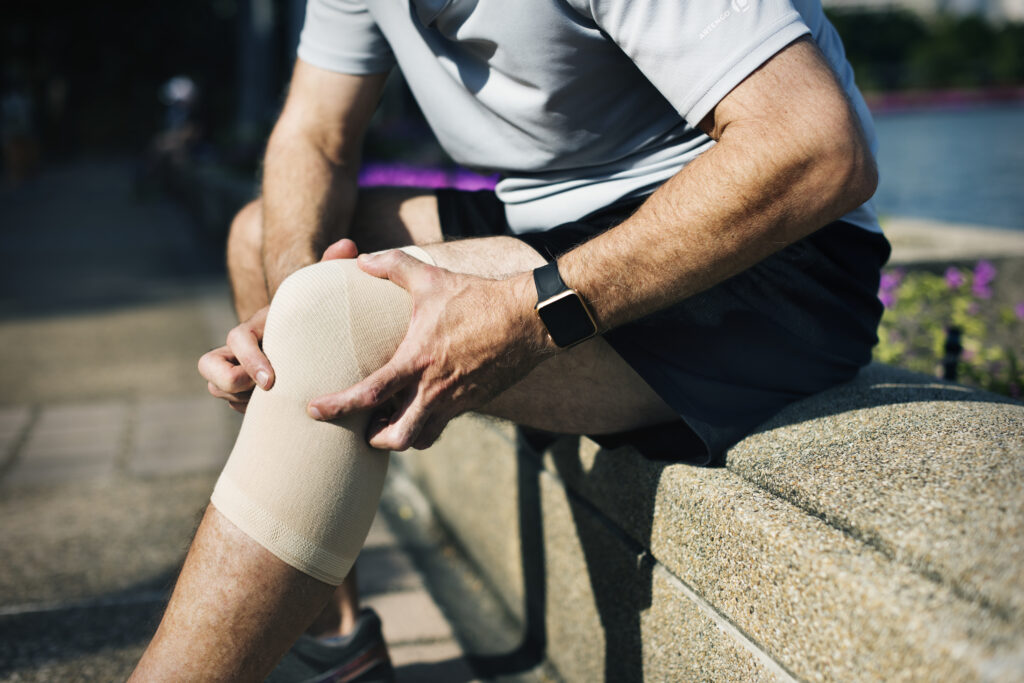
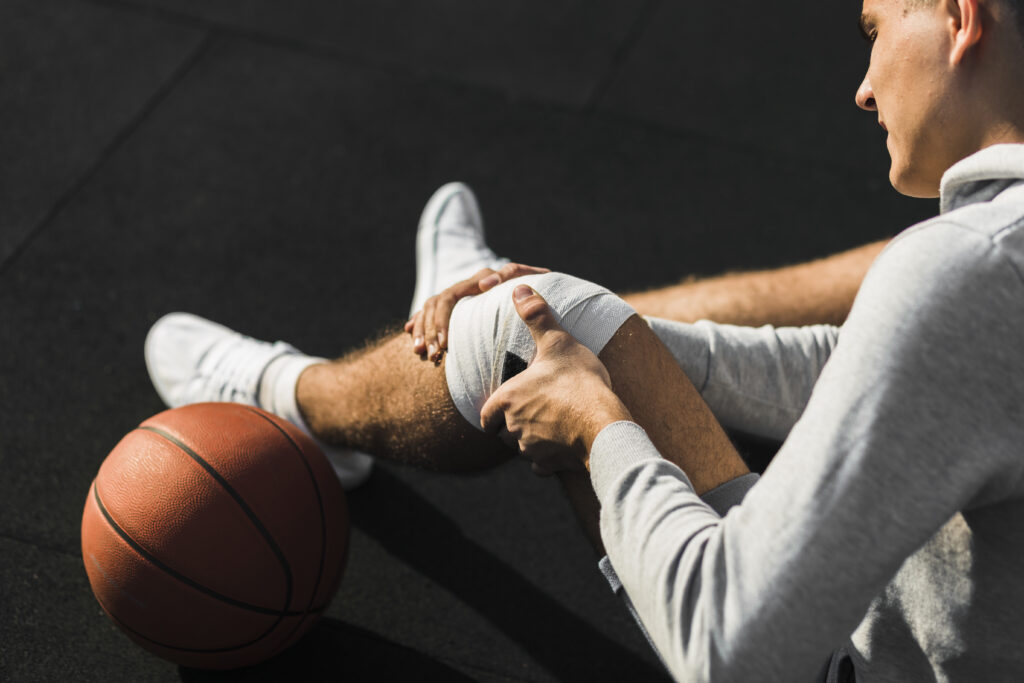






Welcome to Amicare Hospital, the leading sports injury centre for subluxation and dislocation treatment in Ghaziabad. If you’re an athlete, sports enthusiast, or someone dealing with joint pain from everyday activities, a dislocation or subluxation can stop you in your tracks. Our team, led by Dr. Himanshu Gupta—an orthopedic expert with over 10 years of experience and advanced training in Germany, Singapore, and Japan—has handled over 1,000 successful joint procedures. We use minimally invasive techniques to help cricketers, footballers, runners, and active individuals recover quickly and return to their routines. Whether it’s a shoulder dislocation from a fall or a knee subluxation from twisting, our personalised plans focus on joint stability and long-term health. We also provide comprehensive Sports Fracture Management for athletes dealing with bone injuries.
Subluxation and dislocation are joint injuries that happen when bones shift out of place, often in sports or daily mishaps. A dislocation means the bones fully separate, while subluxation is a partial shift where bones stay partly connected but cause instability. These issues affect joint function, leading to pain and limited movement. In sports like cricket, football, and basketball, they’re common due to sudden twists or impacts. According to reliable sources, dislocations make up about 50% of sports-related joint injuries, with shoulders and knees most affected.
The difference between subluxation and dislocation is key: subluxation might feel like a “pop” with ongoing instability, while dislocation often needs immediate realignment. Subluxation refers to this partial slip, which can lead to repeated problems if not treated.
Common Types of Dislocation in Sports & Daily Life
Shoulder: Slips forward/backward in sports like badminton or swimming; subluxation causes instability.
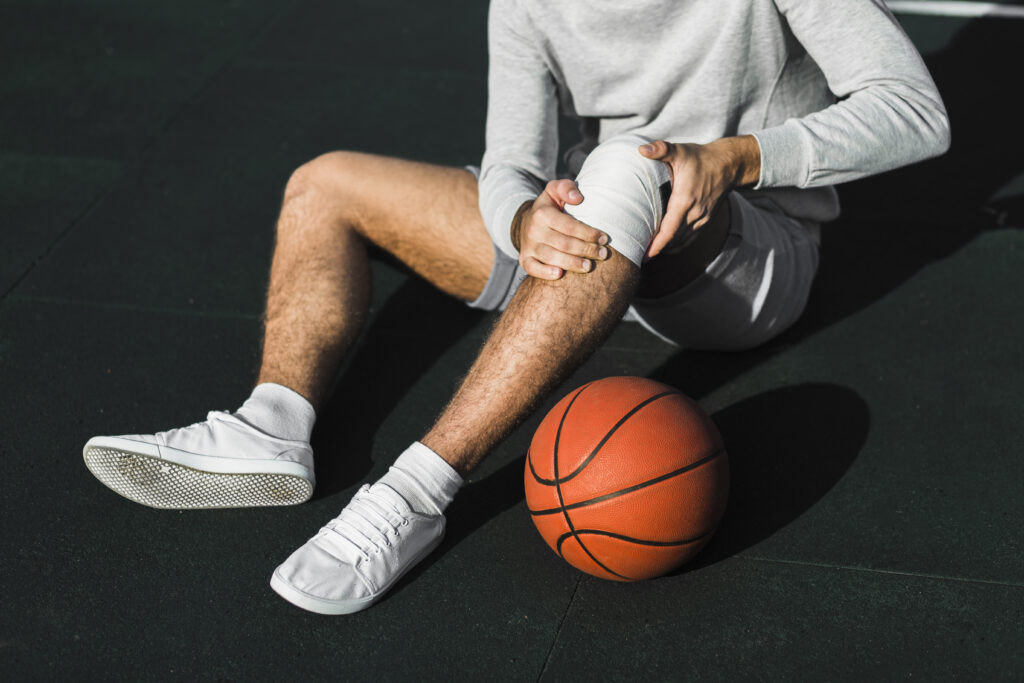
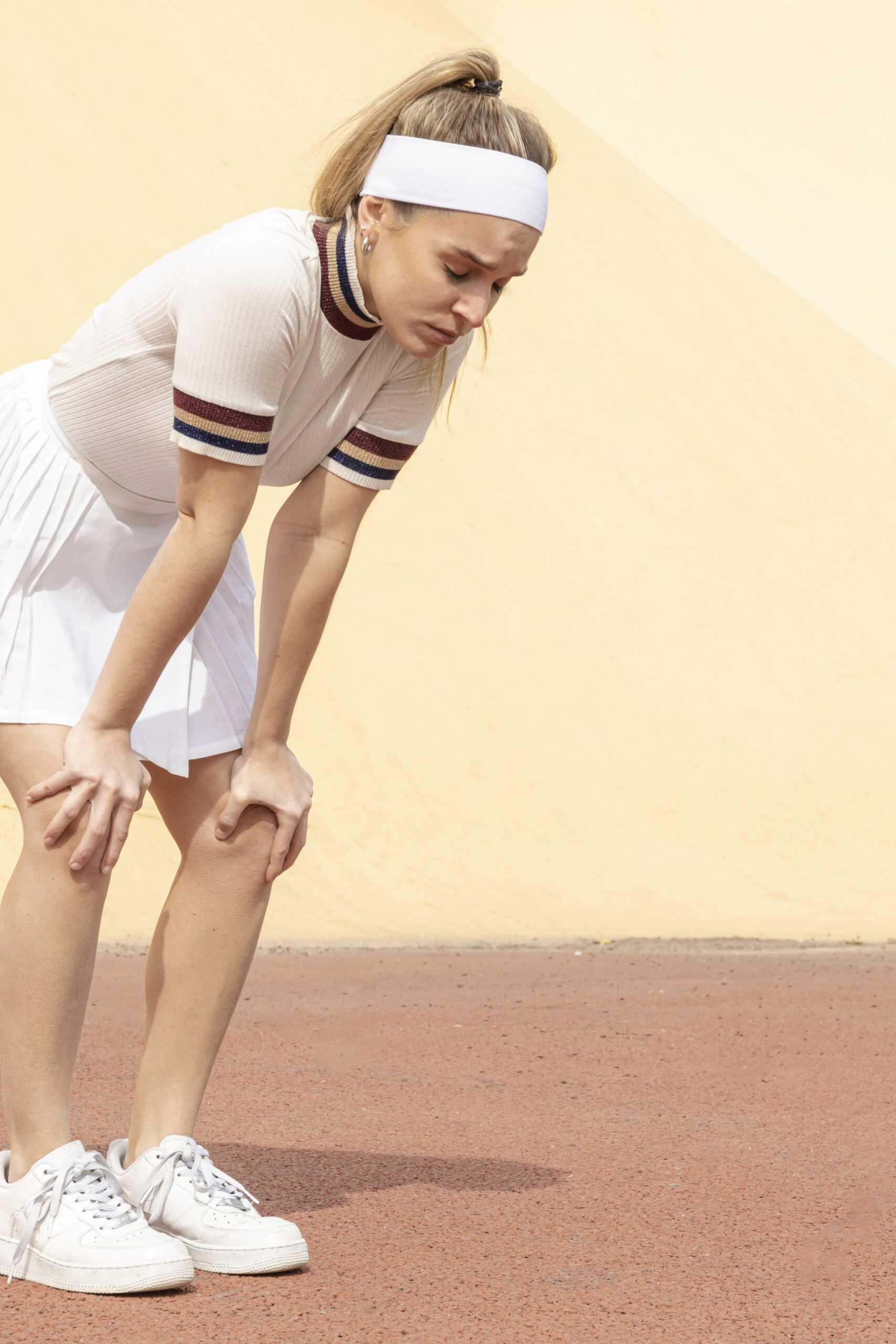
Knee: Quick turns in football or running can cause kneecap slips; needs ligament care.
Hip: Rare but serious from high-impact falls or accidents; requires stability treatment.
Elbow: Falls in gymnastics or wrestling; needs motion restoration.
Ankle: Twists in soccer or basketball; quick care prevents chronic issues.
Wrist: Skating or falls affect grip.
Fingers & Thumb: Common in ball sports; may need splinting or stability treatment.
Each requires timely, customized treatment to prevent recurrence.
Sudden, severe pain at the joint, especially after a fall or awkward movement.
The joint may appear out of place or have an unusual shape.
Difficulty moving the joint or feeling like it might “give way” during use.
These injuries stem from sudden forces on joints, especially in sports. Main causes include:
Athletes in local leagues are at higher risk due to uneven fields or intense play.
Recognizing symptoms early can prevent worsening. Common signs include:
If you feel these after a game or fall, seek prompt care to avoid complications.
Accurate diagnosis is the foundation of effective subluxation and dislocation treatment. At Amicare, Dr. Gupta follows a step-by-step approach that begins with reviewing your medical history, including the sports you play (such as cricket or running) and how the injury occurred. This is followed by physical exams, including stability tests to check for issues like shoulder subluxation. Imaging techniques such as X-rays help detect bone dislocations, while MRI scans identify soft tissue damage. A functional assessment is also conducted to evaluate strength and range of motion, ensuring a tailored recovery plan. This comprehensive approach minimizes the risk of misdiagnosis and prevents long-term complications like chronic instability.
For partial subluxations or early stages:
These options suit milder cases, avoiding surgery.
Choosing the best path depends on your injury. Here’s a comparison:
Treatment Option | How It Works | Ideal Candidates | Recovery Time | Key Benefits | Limitations |
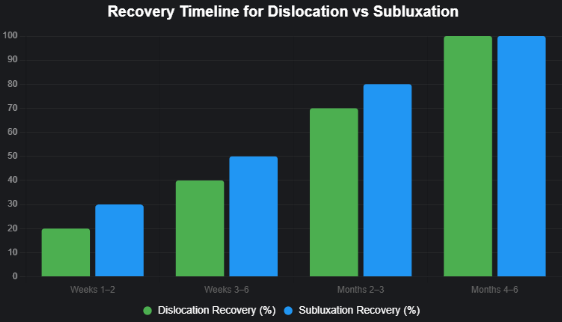
Arthroscopic Surgery | Small cuts to realign and repair joints | Athletes with full dislocations (e.g., shoulder) | 3–6 months | Lasting stability, 95% success | Needs surgery, rehab time |
Joint Reduction | Manually reposition bones | Early dislocations (e.g., dislocated finger) | 4–8 weeks | Quick fix, no cuts | May recur without support |
Physical Therapy | Exercises for strength | Subluxations (e.g., shoulder subluxation) | 2–4 months | Non-invasive, builds muscle | Not for severe cases |
PRP Therapy | Injections for healing | Partial shifts (e.g., joint subluxation) | 1–3 months | Natural recovery, minimal downtime | Less effective for full dislocations |
Bracing | Supports the joint during healing | Mild ankle subluxation | Varies | Easy, no surgery | Temporary, limits activity |
Recovery varies by joint and treatment, but Amicare’s plans get you back fast.
Amicare Hospital is trusted by 750+ athletes across Delhi NCR for expert diagnosis, treatment, and rehabilitation of joint subluxations and dislocations. With advanced imaging, precision-guided procedures, and a 98% recovery success rate under the guidance of Dr. Himanshu Gupta, we ensure joints are restored to full stability and function. Our goal is to help you recover stronger and return to your sport with confidence.
The cost of subluxation and dislocation treatment depends on how serious your injury is and the type of care you need. At Amicare Hospital, we focus on clear and affordable options customized to your recovery. Here’s what affects the cost:
Amicare ensures transparent pricing and works with you to create a plan that fits your needs and supports your recovery journey.
Prevent subluxation and dislocation with these steps:
The cost of subluxation and dislocation treatment depends on how serious your injury is and the type of care you need. At Amicare Hospital, we focus on clear and affordable options customized to your recovery. Here’s what affects the cost:
Amicare ensures transparent pricing and works with you to create a plan that fits your needs and supports your recovery journey.
Prevent subluxation and dislocation with these steps:
Subluxation is a partial joint shift, causing instability. Unlike a full dislocation, bones stay partly connected but need care to avoid repeats
Dislocation fully separates bones; subluxation is partial. Both cause pain, but a dislocation often needs immediate realignment.
Pain, instability, popping, and limited motion during activities like throwing.
With reduction, bracing, or surgery for stability, followed by rehab.
Twists, falls, or overuse in sports like soccer or cricket.
4–8 weeks for simple cases, up to 3 months with therapy.
Recover faster, play stronger. Advanced care for ACL tears, shoulder dislocations, ligament injuries, and more — all under expert hands and cutting-edge technology.