Shoulder Joint Ligaments Explained: Structure, Function, and Common Injuries
The shoulder is one of the most flexible joints in the human body, allowing a wide range of movements such as lifting, rotating, and reaching. However, this high mobility also makes the shoulder more vulnerable to injuries. One of the most important components that provide stability to the shoulder joint is the shoulder joint ligaments. These ligaments connect bones and help maintain proper joint alignment.
Understanding shoulder joint ligaments is important because damage to these structures can lead to pain, instability, and restricted movement. Many people experience shoulder injuries during sports, accidents, or repetitive physical activities. In such cases, problems like shoulder ligament strain, shoulder ligament tear, or torn shoulder ligament can occur.
In this detailed guide, we will explain the structure, function, and common injuries related to shoulder joint ligaments, along with symptoms, causes, and treatment options.
Understanding Shoulder Joint Ligaments
The shoulder joint ligaments are strong bands of connective tissue that connect bones within the shoulder joint. These ligaments help hold the shoulder together and prevent excessive movement that may cause injury.
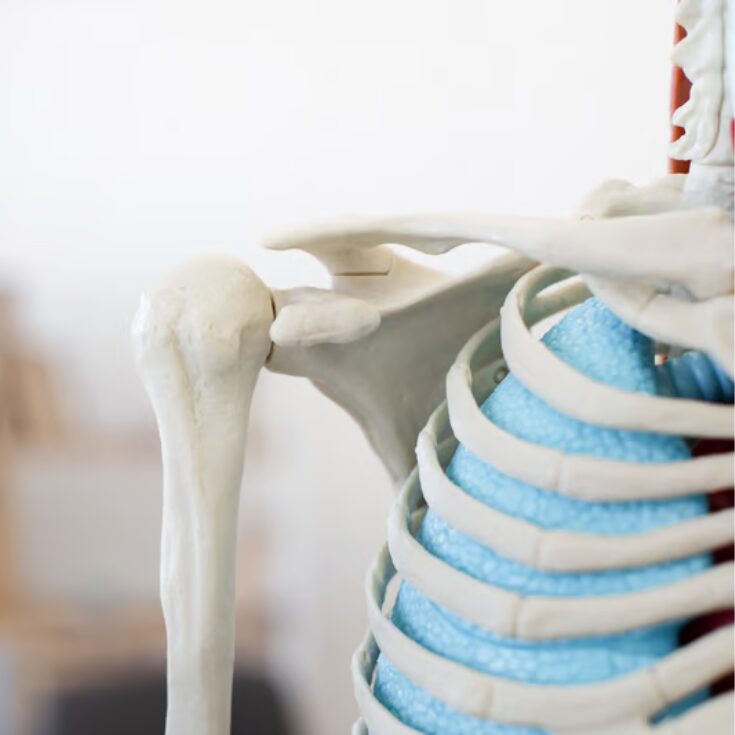
The shoulder joint mainly consists of the humerus (upper arm bone), scapula (shoulder blade), and clavicle (collarbone). The shoulder joint ligaments provide stability to this complex structure and allow smooth joint movement while protecting the joint from dislocation or damage.
When these ligaments are overstretched or torn, it may lead to shoulder ligament damage and severe discomfort.
Structure of Shoulder Joint Ligaments
The shoulder joint ligaments include several important ligament structures that stabilize the shoulder joint.
1. Glenohumeral Ligaments
These ligaments are the primary stabilizers of the shoulder joint. They connect the humerus to the glenoid cavity of the scapula and help prevent excessive movement.
Injuries to these ligaments may result in shoulder ligament injury and instability in the shoulder joint.
2. Coracohumeral Ligament
This ligament supports the upper part of the shoulder joint and helps prevent downward displacement of the humerus.
Damage to this ligament can cause shoulder ligament pain and difficulty lifting the arm.
3. Coracoacromial Ligament
This ligament forms a protective arch over the shoulder joint. It prevents the humeral head from moving upward excessively.
When injured, it may lead to shoulder ligament strain and inflammation.
4. Acromioclavicular Ligament
This ligament connects the clavicle to the acromion of the scapula. It stabilizes the acromioclavicular joint and supports shoulder movement.
An injury to this ligament may cause shoulder injuries such as AC joint separation.
Function of Shoulder Joint Ligaments
The shoulder joint ligaments play several important roles in maintaining shoulder stability and mobility.
Joint Stability
One of the primary functions of shoulder joint ligaments is to stabilize the shoulder joint. They prevent excessive or abnormal movement that could lead to injury.
Supporting Movement
The shoulder allows complex movements such as rotation, lifting, and extension. Shoulder joint ligaments help control these movements and keep the bones aligned.
Injury Prevention
Strong shoulder joint ligaments protect the shoulder joint from dislocation and other shoulder injuries during physical activity.
Common Shoulder Ligament Injuries
Damage to the shoulder joint ligaments can occur due to sports activities, trauma, or repetitive strain. Some of the most common ligament injuries include the following:
Shoulder Ligament Strain
A shoulder ligament strain occurs when the ligament is overstretched but not completely torn. This condition often develops during heavy lifting or sudden shoulder movement.
Shoulder Ligament Tear
A shoulder ligament tear occurs when the ligament fibers partially or completely rupture. This injury may cause severe pain, swelling, and restricted movement.
In severe cases, a torn shoulder ligament may require medical treatment or surgery.
Shoulder Ligament Damage
Repeated stress on the shoulder can cause gradual shoulder ligament damage. Athletes who play sports such as cricket, tennis, or swimming are more likely to experience this problem.
Shoulder Dislocation
Shoulder dislocation can also damage shoulder joint ligaments, leading to instability and recurrent shoulder injuries.
Shoulder Injury Symptoms
Recognizing shoulder injury symptoms early can help prevent serious complications. Some common symptoms include:
Persistent shoulder ligament pain
Swelling around the shoulder joint
Difficulty lifting or rotating the arm
Shoulder instability
Limited range of motion
Clicking or popping sounds in the shoulder
If these shoulder injury symptoms continue for several days, it is important to consult a medical professional for proper diagnosis.
Causes of Shoulder Ligament Injuries
Several factors can contribute to injuries involving shoulder joint ligaments.
Sports Activities
Athletes involved in throwing sports such as baseball or cricket often experience shoulder ligament injury due to repetitive overhead movements.
Trauma or Accidents
Falls, accidents, or direct impact on the shoulder can cause shoulder ligament tear or other serious shoulder injuries.
Overuse
Repetitive stress from activities like weightlifting can lead to shoulder ligament strain.
Weak Muscles
Weak shoulder muscles increase the risk of shoulder ligament damage because the ligaments have to compensate for reduced muscle support.
Shoulder Ligament Tear Treatment
The treatment for ligament injuries depends on the severity of the damage. Proper shoulder ligament tear treatment may include several approaches.
Rest and Activity Modification
Resting the shoulder allows the injured ligament to heal naturally. Avoiding activities that cause pain is important during recovery.
Ice Therapy
Applying ice to the shoulder can reduce swelling and relieve shoulder ligament pain.
Physiotherapy
Physiotherapy exercises help strengthen the shoulder muscles and improve joint stability after shoulder ligament injury.
Medications
Doctors may prescribe anti-inflammatory medications to manage pain and swelling.
Surgery
In severe cases involving a torn shoulder ligament, surgery may be required to repair the damaged ligament.
Early shoulder ligament tear treatment helps restore shoulder function and prevent long-term complications.
Preventing Shoulder Ligament Injuries
Preventing damage to shoulder joint ligaments is possible by following a few simple precautions.
Perform a proper warm-up before sports activities
Strengthen shoulder muscles through regular exercise
Avoid sudden heavy lifting
Maintain correct posture during workouts
Follow proper training techniques
These measures can reduce the risk of shoulder injuries and protect the ligaments from strain or damage.
When to See a Doctor
You should seek medical attention if you experience:
Severe shoulder ligament pain
Persistent shoulder injury symptoms
Inability to move the shoulder
Swelling or bruising
Suspected torn shoulder ligament
Early diagnosis ensures proper shoulder ligament tear treatment and prevents further complications.
FAQs
What are shoulder joint ligaments?
Shoulder joint ligaments are strong connective tissues that connect bones within the shoulder joint and help stabilize the joint during movement.
What causes shoulder ligament injuries?
Common causes of shoulder ligament injury include sports activities, accidents, repetitive strain, and sudden shoulder movements.
What are the symptoms of a shoulder ligament tear?
Typical shoulder injury symptoms include pain, swelling, limited movement, shoulder instability, and difficulty lifting the arm.
How is a shoulder ligament tear treated?
Shoulder ligament tear treatment may involve rest, ice therapy, physiotherapy, medications, and, in severe cases, surgery.
Can shoulder ligament injuries heal without surgery?
Yes, mild injuries such as shoulder ligament strain can often heal with rest, physiotherapy, and proper rehabilitation.
Conclusion
The shoulder joint ligaments play a crucial role in maintaining shoulder stability and allowing smooth movement of the joint. These ligaments connect the bones of the shoulder and protect the joint from excessive movement.
However, injuries such as shoulder ligament strain, shoulder ligament tear, or shoulder ligament damage can lead to significant pain and mobility problems. Recognizing early shoulder injury symptoms and seeking timely shoulder ligament tear treatment can help restore shoulder function and prevent long-term issues.
By understanding the structure and function of shoulder joint ligaments, individuals can take preventive measures and maintain healthy shoulder joints.