Shoulder Bone Fracture Treatment: Symptoms and Care

A shoulder injury can be painful and frightening, especially when it involves a broken bone. Understanding shoulder bone fracture treatment is important so that patients receive timely care, avoid complications, and return to normal activities safely. The shoulder is a complex joint made up of bones, ligaments, tendons, and muscles. When any part of this structure is damaged, movement and daily function can be affected.

In this detailed guide, you will learn about symptoms, causes, diagnosis, treatment options, recovery process, and related conditions such as shoulder ligament injuries and frozen shoulder. The goal is to provide clear, easy-to-understand, and medically accurate information.

What Is a Shoulder Bone Fracture?

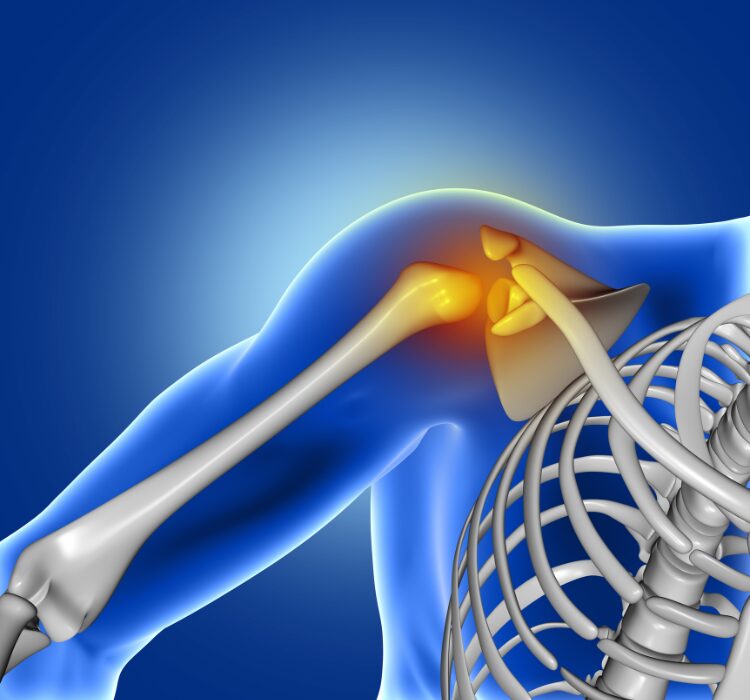
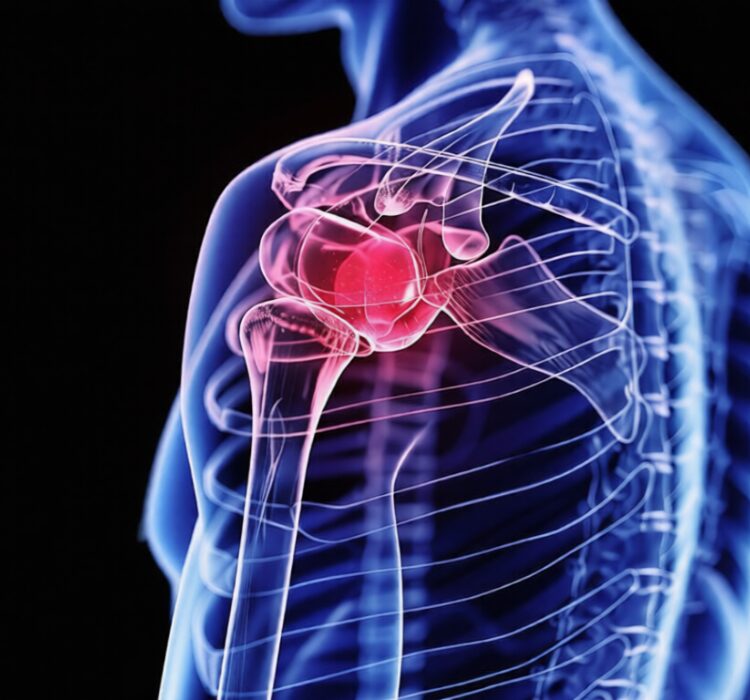
A shoulder bone fracture occurs when one of the bones in the shoulder region breaks due to trauma or excessive force. The shoulder consists of three main bones:

  • Clavicle (collarbone)

  • Scapula (shoulder blade)

  • Proximal humerus (upper arm bone)

A fracture can occur in any of these bones, but clavicle and proximal humerus fractures are most common.

Immediate shoulder bone fracture treatment is necessary to reduce pain, ensure proper bone alignment, and prevent long-term stiffness or deformity.

Common Causes of Shoulder Bone Fracture

Understanding the cause helps doctors decide the right shoulder fracture treatment plan.

1. Road Traffic Accidents

High-impact injuries from bike or car accidents are a major cause.

2. Sports Injuries

Falls during cricket, football, kabaddi, or gym workouts may lead to fractures.

3. Fall on an Outstretched Arm

This is common in elderly patients.

4. Osteoporosis

Weak bones increase fracture risk, especially in older adults.

Early diagnosis ensures proper shoulder bone fracture treatment and faster healing.

Symptoms of Shoulder Bone Fracture

Recognizing symptoms quickly helps prevent complications.

Severe Shoulder Pain

Intense shoulder pain immediately after injury.

Swelling and Bruising

Visible swelling around the shoulder joint.

Limited Movement

Difficulty lifting the arm.

Deformity

In some cases, the shoulder may look uneven or displaced.

If you experience these symptoms, seek immediate medical care.

Diagnosis of Shoulder Bone Fracture

Doctors use the following methods:

Physical Examination

Checking swelling, tenderness, and movement restriction.

X-Ray

Confirms the location and severity of the fracture.

CT Scan

Used in complex fractures for surgical planning.

Proper diagnosis guides the correct shoulder bone fracture treatment strategy.

Types of Shoulder Bone Fractures

Treatment depends on fracture type.

Non-Displaced Fracture

Bone remains aligned. Usually shown to be stable on X-ray.

Displaced Fracture

Bone fragments are separated.

Comminuted Fracture

The bone breaks into multiple pieces.

Each type requires a different shoulder fracture treatment approach.

Shoulder Bone Fracture Treatment Options

The method of shoulder bone fracture treatment depends on severity, patient age, and activity level.

Non-Surgical Shoulder Bone Fracture Treatment

Many shoulder fractures heal without surgery.

Sling Immobilization

Arm is supported in a sling for 3–6 weeks.

Pain Management

Medications to control shoulder pain.

Physiotherapy

Gentle exercises after initial healing to prevent stiffness.

Non-surgical treatment is common in minor fractures and elderly patients.

Surgical Shoulder Bone Fracture Treatment

Surgery may be required when:

  • Bones are severely displaced

  • Fracture involves joint surface

  • Multiple bone fragments exist

Surgical Methods

  • Plate and screw fixation

  • Rod fixation

  • Shoulder replacement (in severe cases)

Surgery ensures stable bone healing and better long-term function.

Recovery Timeline After Shoulder Bone Fracture

Healing usually takes 6 to 12 weeks, depending on severity.

First 2 Weeks

Pain and swelling control.

3–6 Weeks

Gradual arm movement exercises.

6–12 Weeks

Strength training and physiotherapy.

Following the correct shoulder bone fracture treatment plan improves outcomes.

Shoulder Fracture Treatment vs Shoulder Ligament Tear Treatment

Sometimes a fracture is accompanied by soft tissue damage.

Shoulder Fracture Treatment

  • Bone break due to fall or trauma

  • Managed with sling, medicines, or surgery

  • Focus on proper bone healing

Shoulder Ligament Tear Treatment

  • Ligament injury affects joint stability

  • Treated with rest and physiotherapy

  • Severe cases may need arthroscopic repair

Both conditions require accurate diagnosis for complete shoulder recovery.

Frozen Shoulder After Fracture

Some patients develop stiffness after injury or surgery.

What Is Frozen Shoulder?

Frozen shoulder causes pain and restricted movement.

Frozen Shoulder Treatment Options

  • Physiotherapy

  • Anti-inflammatory medications

  • Joint injections

  • In rare cases, arthroscopic release

Early rehabilitation reduces the risk of needing best treatment for frozen shoulder later.

Managing Shoulder Pain During Recovery

Persistent shoulder pain can delay healing.

Tips:

  • Follow doctor’s instructions

  • Avoid heavy lifting

  • Attend regular physiotherapy

  • Use ice packs as advised

Pain gradually decreases as healing progresses.

Complications If Not Treated Properly

Ignoring or delaying shoulder bone fracture treatment may lead to:

  • Permanent stiffness

  • Malunion (improper bone healing)

  • Chronic shoulder pain

  • Joint arthritis

  • Muscle weakness

Timely care prevents these issues.

Prevention Tips for Shoulder Injuries

  • Wear protective sports gear

  • Maintain bone strength with calcium

  • Improve balance to prevent falls

  • Strengthen shoulder muscles

Prevention is always better than long-term treatment.

When to See an Orthopedic Specialist

Consult a specialist if:

  • Pain is severe

  • Movement is limited

  • Swelling increases

  • Deformity is visible

Early orthopedic evaluation ensures correct shoulder fracture treatment and better recovery.

FAQs

How long does shoulder bone fracture treatment take?

Healing usually takes 6–12 weeks, but full recovery may take 3–4 months with physiotherapy.

Can shoulder fractures heal without surgery?

Yes, many fractures heal with sling support and physiotherapy.

What is the best treatment for frozen shoulder after fracture?

The best treatment for frozen shoulder includes physiotherapy, medication, and sometimes joint injections.

Is shoulder pain normal after fracture healing?

Mild discomfort is normal during recovery, but severe or persistent pain should be evaluated.

What is the difference between shoulder ligament tear treatment and fracture treatment?

Fracture treatment focuses on bone healing, while shoulder ligament tear treatment repairs soft tissue structures.

Conclusion

A shoulder injury should never be ignored. Proper shoulder bone fracture treatment ensures correct healing, reduces pain, and restores full movement. Early diagnosis, structured rehabilitation, and expert orthopedic care are key to successful recovery.

Understanding symptoms, following medical advice, and completing physiotherapy are essential steps toward regaining shoulder strength and function. If you experience persistent shoulder pain or limited movement after injury, seek medical evaluation immediately.