







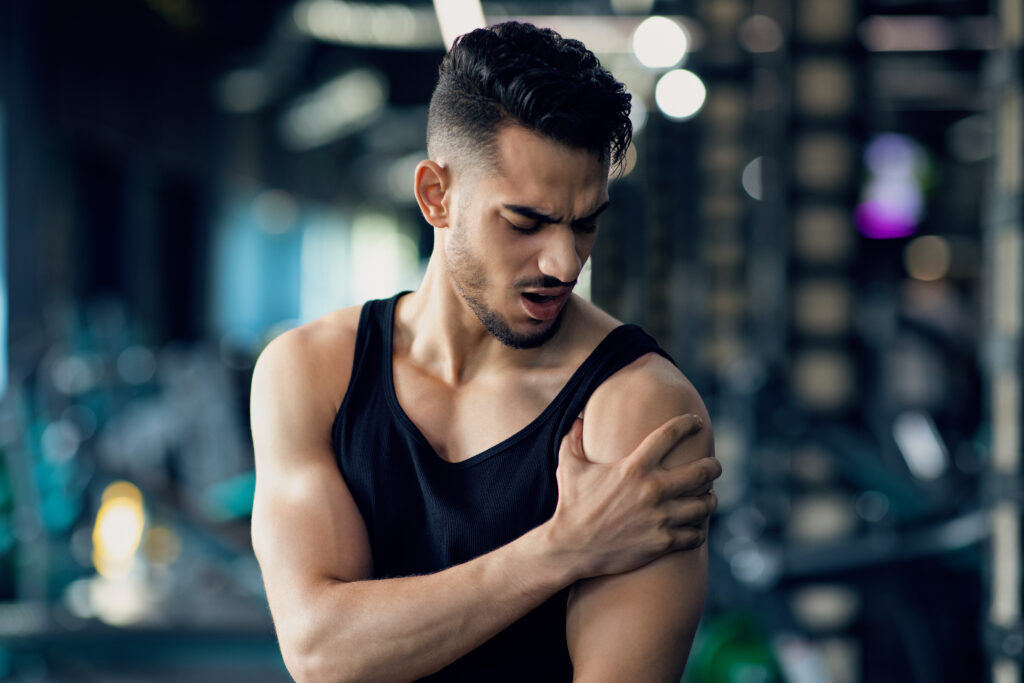


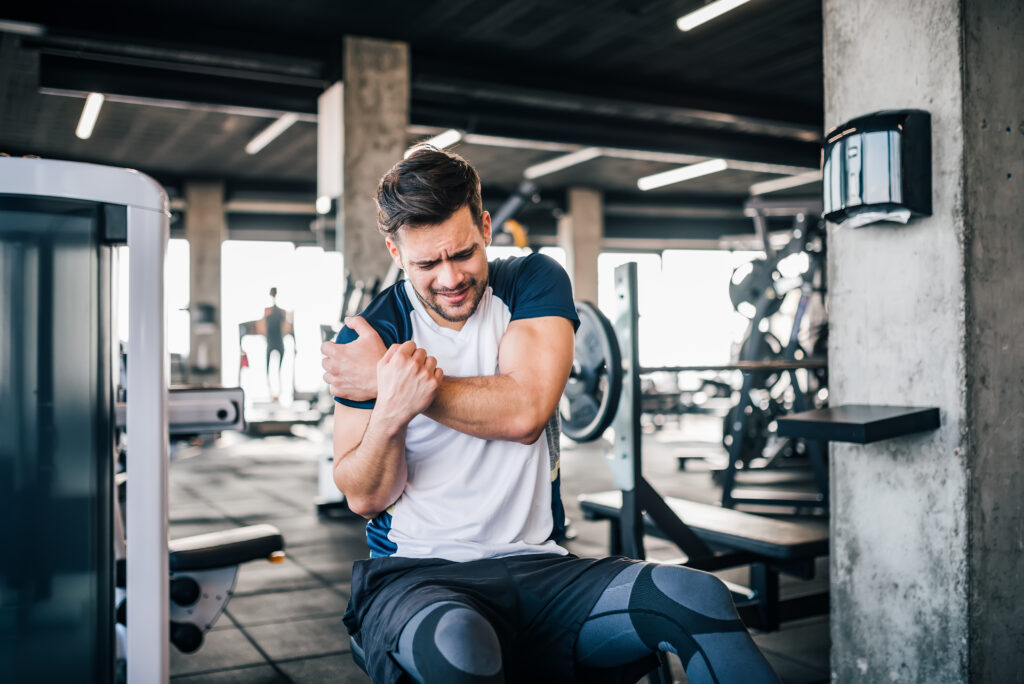







Shoulder pain that lingers for weeks or months can interfere with everything from lifting objects to sleeping comfortably. Many of these problems are caused by rotator cuff tears or other shoulder injuries. Left untreated, these conditions can lead to stiffness, muscle weakness, and long-term disability.
If you’re looking for specialized rotator cuff tear treatment in Ghaziabad, Dr. Himanshu Gupta offers advanced, patient-focused care. With extensive training in arthroscopic shoulder surgery and sports injury management, Dr. Gupta provides solutions designed for quicker recovery, minimal discomfort, and lasting results.
The rotator cuff is a group of muscles and tendons that keep your shoulder joint stable and allow smooth arm movement. Injury to this structure can make even simple tasks—like reaching overhead or lifting groceries—painful and difficult.
Sports Activities: Repeated overhead throws, swimming strokes, or racket swings in cricket, tennis, badminton, or baseball.
Accidents: Falling on an outstretched arm, sudden jerks, or heavy object lifts.
Overuse: Continuous overhead movements or repetitive shoulder strain from work or daily activities.
Sharp pain or weakness when lifting or rotating your arm, often after activity or injury.
Some people notice a pop or crack in the shoulder during movement—an early warning sign.
Difficulty raising your arm overhead or behind your back due to pain or stiffness.
At Amicare Hospital, we use advanced tools to accurately diagnose rotator cuff injuries and create personalized treatment plans.
Led by Dr. Himanshu Gupta (Extensive experience in shoulder surgeries)
History Check – Understand the nature of pain, past injuries, and activity level.
Physical Tests – Arm raise, strength resistance, and rotation tests to assess shoulder function.
Imaging – MRI to detect tendon tears, ultrasound for soft tissue evaluation, and X-rays to rule out bone injuries.
Our focused diagnostic approach ensures safe, effective rotator cuff treatment—designed for pain relief, improved mobility, and faster recovery.
Ignoring a rotator cuff injury can lead to:
Chronic shoulder weakness affecting daily activities like lifting or reaching overhead.
Progressive tendon damage that can make tears larger and harder to repair.
Shoulder stiffness or arthritis reducing long-term mobility and comfort.
Quick rotator cuff treatment is crucial to prevent these issues. Amicare’s expertise in shoulder injury care ensures you get a personalized plan—whether it’s physiotherapy, injections, or surgery—designed for lasting recovery and strength.
Common Shoulder Injuries Treated: We provide specialized care for a wide range of shoulder problems, including rotator cuff tears, ligament sprains, shoulder dislocations, and tendonitis. Our approach combines advanced diagnostic tools, targeted therapies, and expert medical guidance to ensure faster recovery, restored strength, and improved mobility, helping patients return to their daily activities and sports with confidence.
A rotator cuff tear occurs when one or more tendons are damaged or completely torn. Causes include:
Not every rotator cuff injury requires surgery. At Amicare, we offer non-surgical treatment plans for partial tears, inflammation, or less severe injuries. Dr. Gupta creates personalized care plans, including:
Physical Therapy: Targeted exercises to strengthen shoulder muscles and improve flexibility.
PRP Therapy: Injections using your body’s healing factors to repair damaged tendons.
Bracing & Support: Shoulder supports or slings to protect and stabilize the joint during recovery.
Still unsure if surgery is needed? Get a personalized assessment and treatment plan tailored to your lifestyle.
Structured rehabilitation ensures safer recovery and improves long-term knee health after injury.
The table below compares rotator cuff repair surgery with non-surgical treatments to help patients restore shoulder function. Consult Dr. Himanshu Gupta for a personalized treatment plan.
| Treatment Option | How It Works | Ideal Candidates | Recovery Time | Key Benefits | Limitations |
|---|---|---|---|---|---|
| Rotator Cuff Repair Surgery | Repairs torn rotator cuff tendons using minimally invasive arthroscopic or open surgery. | Patients with complete tendon tears, persistent pain, or loss of function despite therapy. | 4–9 months | Restores full shoulder strength and mobility. Prevents further tendon damage. Long-term pain relief. | Surgical risks (less than 1% infection risk, stiffness). Requires post-surgery rehabilitation. |
| Physical Therapy | Targeted exercises to strengthen shoulder muscles, improve flexibility, and support tendon healing. | Patients with partial tears, tendon inflammation, or early-stage injuries. | 2–4 months | Non-invasive. Improves strength, motion, and shoulder stability. No surgical risks. | May not fully restore function for complete tears. Slower recovery for severe injuries. |
| PRP Therapy | Injections of platelet-rich plasma to promote tendon healing, often used with physiotherapy. | Patients with partial tears, inflammation, or mild injuries. | 1–3 months | Encourages natural healing. Reduces pain and swelling. May speed up recovery. | Less effective for large or complete tears. May need multiple sessions. |
| Bracing & Support | Uses a sling or shoulder brace to protect and stabilize the shoulder during healing. | Temporary support for partial tears or as part of early recovery. | Weeks to months | Immediate pain relief and protection. Easy to use. | Does not repair the tendon. Not suitable for high-demand activities or sports. |
Recovery from rotator cuff repair surgery usually takes 4–9 months, depending on the size of the tear, your overall health, and your activity goals. Amicare’s shoulder rehabilitation programs, designed by Dr. Gupta, focus on restoring strength, flexibility, and pain-free movement.
Weeks 1–4: Sling support and gentle passive movements.
Weeks 4–8: Light range-of-motion exercises.
Months 2–4: Gentle strengthening of shoulder muscles.
Months 4–6: Advanced strengthening and functional training.
Months 6–9: Return to heavy activities and sports.
Amicare Hospital is trusted by 750+ athletes across Delhi NCR for expert ACL reconstruction and sports injury care. With advanced facilities and a 98% success rate under the guidance of Dr. Himanshu Gupta, we help you return stronger, faster.
Rotator cuff surgery costs depend on tear severity, surgical technique, and hospital stay; Amicare provides transparent, personalized cost estimates.
The cost of rotator cuff surgery depends on factors like:
Type of Tear: Partial or complete tear, which affects the complexity of the repair.
Surgery Method: Arthroscopic (keyhole) surgery or open repair technique.
Hospital Stay: Usually same-day discharge or 1–2 days for recovery and care.
For a personalized cost estimate, contact us. Amicare aims to make shoulder injury treatment affordable for patients.
To reduce rotator cuff injury risk, maintain shoulder flexibility, strengthen surrounding muscles with targeted exercises like external rotations, and avoid repetitive overhead strain.
Preventing rotator cuff injuries is important for athletes and active individuals. Dr. Gupta shares simple tips:
Warm-Ups: Do gentle arm circles and dynamic shoulder stretches before activity.
Strength Exercises: Include resistance band external rotations and shoulder presses to build supporting muscles.
Proper Technique: Avoid repetitive overhead strain and use correct form during lifting and throwing.
Rotator cuff surgery costs depend on tear severity, surgical technique, and hospital stay; Amicare provides transparent, personalized cost estimates.
The cost of rotator cuff surgery depends on factors like:
Type of Tear: Partial or complete tear, which affects the complexity of the repair.
Surgery Method: Arthroscopic (keyhole) surgery or open repair technique.
Hospital Stay: Usually same-day discharge or 1–2 days for recovery and care.
For a personalized cost estimate, contact us. Amicare aims to make shoulder injury treatment affordable for patients.
To reduce rotator cuff injury risk, maintain shoulder flexibility, strengthen surrounding muscles with targeted exercises like external rotations, and avoid repetitive overhead strain.
Preventing rotator cuff injuries is important for athletes and active individuals. Dr. Gupta shares simple tips:
Warm-Ups: Do gentle arm circles and dynamic shoulder stretches before activity.
Strength Exercises: Include resistance band external rotations and shoulder presses to build supporting muscles.
Proper Technique: Avoid repetitive overhead strain and use correct form during lifting and throwing.
Pain when lifting or rotating the arm, weakness, and disturbed sleep are common symptoms.
No. Many mild tears improve with physiotherapy, but complete tears or severe cases often need surgery.
Yes, it’s a proven, minimally invasive technique with a low complication rate when performed by an expert.
Most patients return to full activity in 3–4 months with proper rehab.
Yes, due to posture issues, overuse, or degenerative changes.
Typical symptoms include shoulder pain (especially at night or when lifting your arm), weakness, limited range of motion, and a crackling sensation during movement.
Small or partial tears can often improve with rest, physiotherapy, and non-surgical treatments like injections. Complete or severe tears may require surgical repair for full recovery.
Recover faster, play stronger. Advanced care for ACL tears, shoulder dislocations, ligament injuries, and more — all under expert hands and cutting-edge technology.