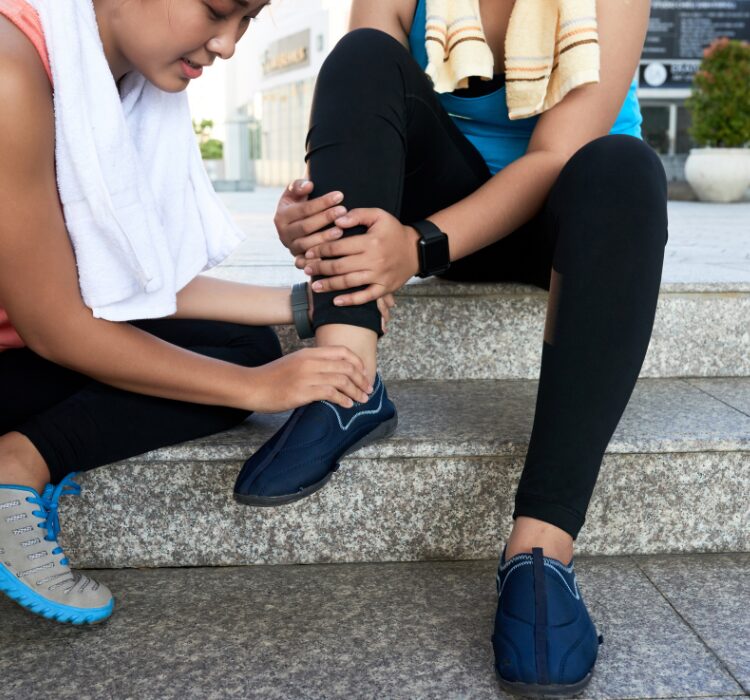
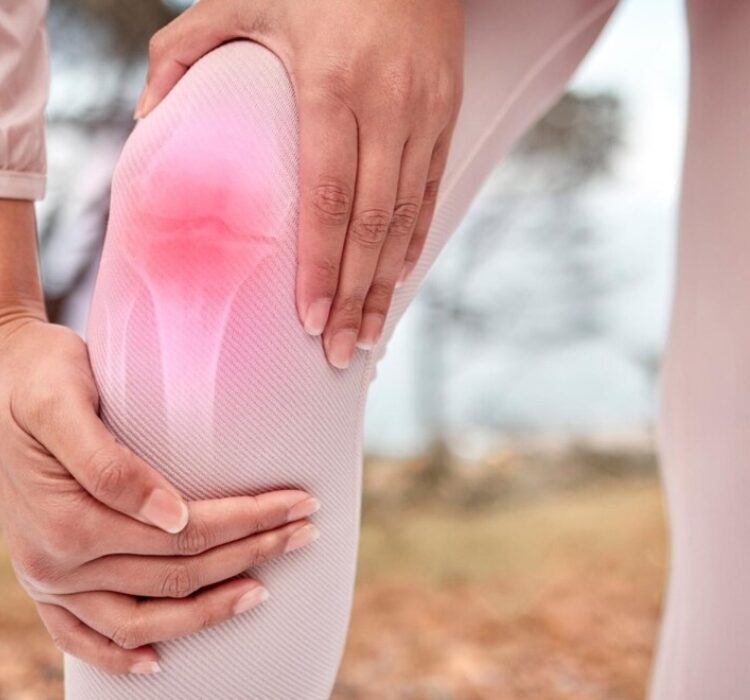
A partial ACL tear is a common knee ligament injury in which the anterior cruciate ligament is damaged but not completely ruptured. The ACL plays an essential role in stabilizing the knee joint, supporting movement, and preventing excessive forward motion of the shin bone. When some fibers of the ligament are injured, patients may still be able to walk but often experience pain, instability, and reduced performance during physical activity.
People searching for information about partial ACL tear symptoms, treatment, MRI diagnosis, and partial ACL tear recovery time without surgery usually want clear guidance on healing options and long-term outcomes. Understanding whether do partial ACL tears heal, how rehabilitation works, and when to use a knee brace for ACL tear helps patients make informed treatment decisions.
This comprehensive guide explains what a partial ACL tear is, its symptoms, MRI diagnosis, treatment options, recovery process, long-term effects without surgery, and answers common patient questions in a simple and human-friendly way.
What Is a Partial ACL Tear?
A partial ACL tear is a condition in which the anterior cruciate ligament is only partially torn, allowing the knee to retain some stability. Despite limited fiber damage, patients may experience pain, swelling, and functional difficulty, especially during twisting movements or sports.
Key Features of Partial ACL Tear
Partial loss of knee stability: The knee may feel weak, especially during sudden pivoting or turning motions.
Swelling and tenderness: Inflammation develops around the joint, causing discomfort and limited movement.
Pain during activity: Walking, running, or climbing stairs may trigger moderate knee pain.
Reduced range of motion: Bending and straightening the knee can be stiff and limited.
Partial ACL tears require proper assessment to restore knee function and prevent long-term instability or secondary injuries.
Symptoms of Partial ACL Tear
Symptoms of a partial ACL tear may be subtle initially but tend to worsen with physical activity. Early identification of signs can improve recovery outcomes and prevent further knee damage.
Common Symptoms Include
Knee pain during activity: Moderate discomfort often increases when twisting or landing from jumps.
Swelling within 24 hours: The knee may swell due to internal bleeding or fluid accumulation.
Feeling of instability: The joint may “give way” unexpectedly during walking or running.
Difficulty performing movements: Daily activities like climbing stairs or squatting can be challenging.
Recognizing these symptoms early supports effective rehabilitation and minimizes long-term knee complications.
Causes of Partial ACL Tear
A partial ACL tear can result from various injuries or movements that strain the ligament fibers, particularly in sports or high-impact activities. Understanding causes helps in prevention and treatment.
Common Causes Include
Sudden directional changes: Quick pivoting during sports can overstretch the ACL fibers.
Direct impact on the knee: Collisions or falls may partially tear the ligament.
Landing awkwardly from jumps: Poor landing technique increases ligament stress and risk of tearing.
Overstretching the knee: Excessive bending or twisting beyond normal limits can cause fiber damage.
Preventing high-risk movements and strengthening surrounding muscles reduces the likelihood of partial ACL tears.
How Partial ACL Tear Diagnosed
Diagnosis of a partial ACL tear is essential to distinguish it from a complete rupture and to determine the best treatment approach for optimal recovery.
Diagnostic Methods
Physical examination tests: Lachman and pivot-shift tests assess ligament stability and knee function.
Partial ACL tear MRI: Provides detailed images of ligament fibers to confirm the extent of the tear.
X-rays: Help rule out fractures or associated bone injuries.
Early and accurate diagnosis ensures proper treatment and reduces the risk of chronic knee instability.
Treatment Options for Partial ACL Tear
Treatment for apartial ACL teardepends on severity, activity level, and knee stability, with many cases responding well to non-surgical care.
Athletes needing full stability: Competitive sports participants may undergo surgery for optimal performance.
Surgical treatment is generally reserved for severe partial tears or unstable knees.
Recovery After Partial ACL Tear
Recovery from a partial ACL tear depends on ligament damage extent, age, overall health, and commitment to rehabilitation exercises. Proper care prevents long-term knee issues.
Recovery Factors Include
Extent of ligament damage: More fiber tears result in a longer healing period and rehabilitation.
Age and health: Younger and healthier patients typically regain strength and mobility faster.
Consistency with physiotherapy: Regular exercises improve stability and muscle strength effectively.
Recovery timelines may range from 4 to 12 weeks, with consistent therapy being the key to success.
Exercises and Rehabilitation for Partial ACL Tear
Rehabilitation exercises are essential for restoring knee strength, stability, and flexibility after a partial ACL tear, reducing the risk of re-injury.
Common Exercises Include
Range-of-motion exercises: Gradual bending and straightening prevent stiffness and promote healing.
Strengthening exercises: Quadriceps, hamstrings, and glute muscles support the knee joint.
Balance and coordination drills: Enhance stability and prevent future ligament injuries effectively.
Functional exercises: Simulate daily and sports movements to regain full knee function.
Structured rehabilitation ensures safer recovery and improves long-term knee health after injury.
Long-Term Effects of Partial ACL Tear Without Surgery
Ignoring a partial ACL tear can lead to chronic instability, recurrent injuries, and degenerative joint changes over time.
Potential Complications
Chronic knee instability: The knee may repeatedly “give way,” affecting daily activities.
Recurrent injury: Unhealed fibers increase the likelihood of further ligament damage.
Early-onset arthritis: Poor healing may accelerate cartilage wear and joint degeneration.
Reduced mobility: Pain and weakness can limit physical activity and exercise.
Proper care, rehabilitation, and knee support prevent these long-term adverse effects effectively.
FAQs on Partial ACL Tear
Do partial ACL tears heal?
Many partial ACL tears heal successfully with conservative care, including rest, physiotherapy, and knee bracing.
How long does it take to recover without surgery?
Recovery typically ranges from 4 to 12 weeks depending on severity and adherence to rehabilitation.
Is MRI necessary for diagnosis?
Yes, MRI confirms tear extent and identifies associated injuries for accurate treatment planning.
Can I play sports with a partial ACL tear?
Not recommended until knee stability and strength are restored through rehab and brace support.
What is the best treatment?
Conservative treatment works for most patients; surgery is needed for severe or unstable cases.
Conclusion
A partial ACL tear can heal effectively with timely diagnosis, proper rehabilitation exercises, and supportive measures like a knee brace. Early intervention helps restore knee stability, reduce pain, and prevent further ligament damage.
Following a structured treatment plan ensures long-term joint health, minimizes the risk of chronic instability, and allows patients to gradually return to daily activities or sports safely, improving overall knee function and quality of life.