Locking and Unlocking of Knee Joint: Causes, Symptoms & Treatment
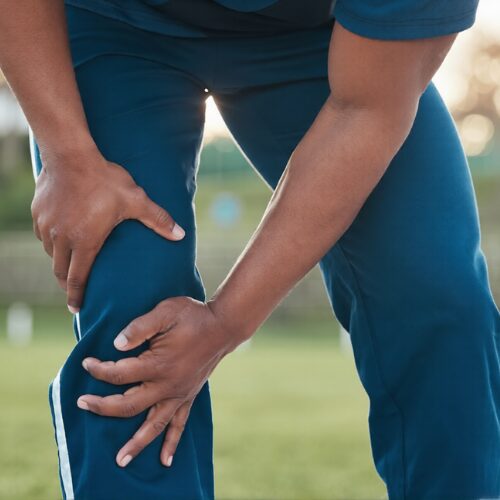
The locking and unlocking of the knee joint is a condition that can significantly interfere with daily activities such as walking, climbing stairs, squatting, or even standing for long periods. Many patients describe it as a sudden “stuck” feeling in the knee joint, where the knee refuses to bend or straighten completely. Sometimes it unlocks suddenly with a click or pop, often accompanied by discomfort or instability.
Understanding the locking and unlocking of the knee joint requires knowledge of knee structure, biomechanics, injury patterns, and available treatment options. In this comprehensive and user-friendly guide, we will discuss the anatomy, causes, symptoms, diagnosis, and management of this condition in detail.
What Is Locking and Unlocking of Knee Joint?
The locking and unlocking of knee joint refers to a mechanical or functional disturbance in which the knee becomes temporarily fixed in one position. It may remain bent (flexed) or straight (extended) and require effort, manipulation, or movement to return to normal motion.
There are two main types:
1. True Locking
True locking occurs when something physically blocks normal knee joint movement, such as a torn cartilage fragment.
2. Pseudo Locking
Pseudo locking occurs due to severe knee joint pain, swelling, or muscle spasm without a structural blockage.
To understand this better, it is important to answer the question: What type of joint is the knee? The knee is a modified hinge joint. While it primarily allows bending and straightening, it also permits slight rotation. This rotational movement is essential for the natural locking and unlocking of knee joint mechanism.
Knee Joint Anatomy: Understanding the Structure
A clear understanding of knee joint anatomy helps explain why the locking and unlocking of knee joint occurs.
These ligaments maintain stability and guide proper knee joint movement.
Additionally, the menisci (medial and lateral) act as shock absorbers between the femur and tibia. Smooth cartilage covers bone surfaces to reduce friction.
If any part of this complex knee joint anatomy is injured, the natural locking and unlocking of knee joint process can be disrupted.
How the Locking and Unlocking of Knee Joint Works
The normal locking and unlocking of knee joint occur during full extension and flexion. This is known as the “screw-home mechanism.
Locking Phase
As the knee straightens fully, the tibia rotates slightly outward.
The knee joint ligaments tighten.
The joint becomes stable for standing.
Unlocking Phase
The popliteus muscle rotates the tibia inward.
The ligaments relax slightly.
The knee bends smoothly.
When this mechanism is impaired due to injury or degeneration, abnormal locking and unlocking of knee joint episodes may occur.
Common Causes of Locking and Unlocking of Knee Joint
Several orthopedic conditions can cause abnormal locking and unlocking of knee joint:
1. Meniscus Tear
A torn meniscus is one of the most common causes. A displaced cartilage fragment may block normal knee joint movement, leading to sudden locking.
Symptoms include:
Sharp knee joint pain
Swelling
Clicking sensation
Inability to fully extend the knee
2. Ligament Injuries
Damage to knee joint ligaments, especially ACL injuries, can cause instability. This instability may alter the normal locking and unlocking of the knee joint.
3. Loose Bodies
Small fragments of bone or cartilage floating inside the knee joint can interfere with movement, causing unpredictable locking episodes.
4. Osteoarthritis
Degeneration of cartilage affects knee joint anatomy, leading to rough surfaces and mechanical catching. This may disturb the locking and unlocking of knee joint.
5. Patellar Maltracking
Improper alignment of the kneecap may cause abnormal pressure distribution, contributing to knee joint pain and disturbed movement patterns.
Symptoms of Locking and Unlocking of Knee Joint
Patients experiencing locking and unlocking of knee joint commonly report:
Sudden inability to bend or straighten the knee
A popping or clicking sound
Swelling in the knee joint
Recurrent knee joint pain
Feeling of instability
Sensation of something stuck inside
If symptoms are frequent or worsening, professional evaluation is essential.
Diagnosis of Locking and Unlocking of Knee Joint
Accurate diagnosis is important for proper treatment.
Clinical Examination
The doctor evaluates:
Range of motion
Stability of knee joint ligaments
Tenderness and swelling
Pain during knee joint movement
Imaging Tests
X-Ray
Checks bone alignment and arthritis changes.
MRI
Provides detailed information about:
Meniscus tears
Ligament injuries
Cartilage damage
Structural abnormalities affecting locking and unlocking of knee joint
MRI is especially helpful in evaluating soft tissue structures within the knee joint anatomy.
Non-Surgical Treatment
Mild or early cases of locking and unlocking of knee joint can often be treated conservatively.
1. Rest and Activity Modification
Avoid activities that worsen symptoms.
2. Ice Therapy
Reduces swelling and inflammation.
3. Medications
Anti-inflammatory drugs help relieve knee joint pain.
4. Physiotherapy
A structured rehabilitation program improves:
Muscle strength
Stability of knee joint ligaments
Range of knee joint movement
Strengthening quadriceps and hamstrings supports proper locking and unlocking of knee joint function.
Surgical Treatment
If mechanical blockage persists, surgery may be required.
Arthroscopic Surgery
A minimally invasive procedure used to:
Repair torn meniscus
Remove loose bodies
Reconstruct damaged knee joint ligaments
Smooth cartilage surfaces
Arthroscopy effectively restores normal locking and unlocking of the knee joint mechanics in many patients.
Recovery time varies depending on the procedure but generally ranges from a few weeks to several months.
Rehabilitation and Recovery
Proper rehabilitation is essential after treatment for the locking and unlocking of the knee joint.
Rehabilitation focuses on:
Gradual restoration of knee joint movement
Strengthening surrounding muscles
Improving balance and coordination
Reducing the recurrence of knee joint pain
Adherence to physiotherapy significantly improves outcomes.
Prevention of Locking and Unlocking of Knee Joint
Preventive strategies include:
Maintaining a healthy body weight
Strength training for lower limb muscles
Warm-up before sports
Avoiding sudden twisting movements
Early treatment of ligament injuries
Healthy knee joint anatomy and strong knee joint ligaments are key to preventing abnormal locking and unlocking of the knee joint episodes.
When Should You Consult a Doctor?
Seek medical attention if:
The locking and unlocking of knee joint occur repeatedly
The knee remains stuck
Severe knee joint pain persists
Swelling does not reduce
Instability interferes with daily life
Early evaluation prevents worsening joint damage.
Complications If Left Untreated
Ignoring persistent locking and unlocking of knee joint may lead to:
Chronic instability
Progressive cartilage damage
Development of arthritis
Reduced mobility
Long-term knee joint pain
Timely management protects joint function.
FAQs
What type of joint is the knee?
The knee is a modified hinge joint that allows bending, straightening, and slight rotation, making it prone to mechanical disturbances.
Is locking and unlocking of knee joint serious?
It can be serious if caused by structural damage such as a meniscus tear or ligament injury.
Can knee joint pain alone cause locking?
Yes, severe knee joint pain may cause muscle spasm leading to pseudo-locking.
Are knee joint ligaments responsible for locking?
Damaged knee joint ligaments may cause instability that disrupts the normal locking and unlocking of the knee joint.
Can exercise help?
Yes, strengthening exercises improve knee joint movement and stability.
Conclusion
The locking and unlocking of knee joint is more than just occasional stiffness—it may indicate underlying structural problems within the knee joint. Understanding knee joint anatomy, the role of knee joint ligaments, and proper knee joint movement helps in early detection and management.
If you experience repeated locking episodes, swelling, or persistent knee joint pain, consult an orthopedic specialist promptly. Early diagnosis and appropriate treatment ensure faster recovery, improved mobility, and long-term joint health.