Knock Knees Exercises to Reduce Pain and Correct Knee Position
If you are struggling with misaligned knees, performing the right Knock Knees Exercises can significantly help you in reducing pain, improving alignment, and preventing long-term complications. Knock knees, medically referred to as genu valgum, is a problem that affects children, teenagers, and adults. Left untreated, misaligned knees can place extra stress on your joints and even contribute to a knee ligament injury. This blog will guide you through effective exercises, assessments, and treatment options to naturally correct knock knees and protect your knee health.
This comprehensive guide will help you understand how to check knock knees, explore effective exercises, and provide insights into knock knees treatment, including braces and surgical options when necessary.
What Are Knock Knees?
Knock knees occur when the knees angle inward and touch each other while the ankles remain apart. This can affect your posture, walking gait, and overall leg alignment. In adults, knock knees are often associated with weak hip muscles, improper posture, or obesity, whereas in children, they may be a normal stage of growth.
Key indicators of knock knees include:
Knees that touch while standing upright
Ankles that remain apart
Uneven gait or difficulty walking
Knee, hip, or lower back discomfort
Untreated knock knees may lead to early knee arthritis or chronic pain. That’s why early knock knees treatment and corrective exercises are vital for long-term knee health.
How to Check Knock Knees at Home
Understanding how to check knock knees at home is simple but important. A home assessment can help determine if a professional evaluation is needed.
Steps to Check:
Stand upright with your back against a wall
Place your knees together naturally
Measure the gap between your ankles
If the ankle gap exceeds 5–6 cm, it may indicate knock knees. However, a professional orthopedic assessment is recommended for accurate diagnosis. Early detection allows for effective ways to fix knock knees, including exercises and braces.
Causes of Knock Knee Problem
The root cause of knock knee problem determines the treatment approach. Common causes include:
Muscle weakness: Particularly in the hips and thighs
Postural issues: Poor walking or sitting habits
Nutritional deficiencies: Lack of calcium or vitamin D
Genetic factors: Family history of knee deformities
Identifying the underlying cause helps target knock knees treatment, whether through exercises, lifestyle adjustments, or surgery.
Is Knock Knee Curable?
Many people ask, is knock knee curable? The answer depends on the severity and age.
Children: Mild cases often self-correct with growth.
Adults: Muscle-strengthening exercises can improve alignment, reduce pain, and prevent worsening, though structural correction may require medical intervention.
In some severe cases, knock knee surgery may be recommended, but most individuals benefit significantly from consistent Knock Knees Exercises and supportive treatments.
Role of Knock Knees Exercises in Correction
Knock Knees Exercises are essential because they:
Strengthen weak muscles (glutes, hips, thighs)
Stretch tight inner thighs and calves
Improve knee tracking during movement
Reduce uneven stress on joints
A consistent exercise routine improves knee replacement surgery recovery time and can help prevent future joint problems. Exercises should be performed mindfully and with proper form for maximum benefit.
Best Knock Knees Exercises
Here are the most effective Knock Knees Exercises for improving alignment and reducing discomfort:a
1. Side-Lying Leg Raises
Lie on your side, lift the top leg upward
Strengthens outer thighs and hip muscles
Helps prevent knees from collapsing inward
2. Clamshell Exercise
Lie on your side with knees bent
Open your top knee like a clamshell
Strengthens glutes and stabilizes the hip
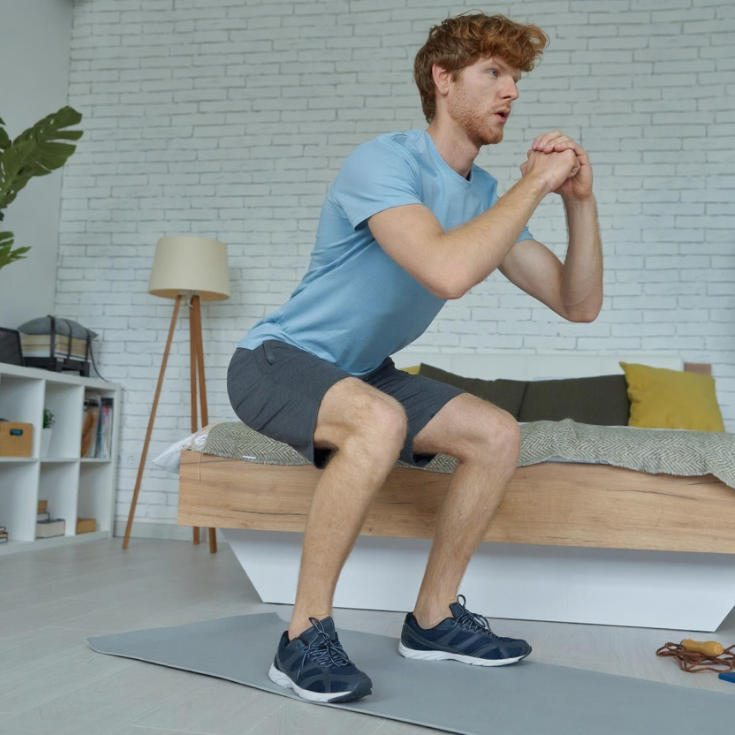
3. Wall Squats with Ball
Place a small ball between your knees and squat
Builds quadriceps and encourages proper knee tracking
Reduces inward knee stress
4. Resistance Band Walks
Place a band around your thighs and take sideways steps
Improves hip stability and balance
Helps fix inward knee motion during walking
5. Inner Thigh Stretch
Sit or stand and stretch the inner thigh muscles gently
Reduces tension pulling knees inward
Essential for posture and alignment
Perform these exercises 4–5 times per week. Begin with 10 to 15 reps, and slowly raise the intensity as your strength and comfort improve.
How to Fix Knock Knees Naturally
To learn how to fix knock knees naturally:
Perform daily Knock Knees Exercises
Maintain proper posture while walking or sitting
Avoid crossing legs for long periods
Maintain a healthy body weight
Use supportive footwear
These simple lifestyle modifications, combined with exercises, often provide significant improvement over time, reducing the need for invasive knock knee surgery.
Knee Brace for Knock Knees
A knee brace for knock knees can help:
Support proper alignment
Reduce knee pain during daily activities
Increase confidence during exercise
While braces do not replace the benefits of strengthening exercises, they are excellent adjuncts, especially in adults or during early rehabilitation after surgery.
Knock Knees Treatment Options
Knock knees treatment varies based on age, severity, and cause:
Surgical: Realignment procedures in severe adult cases
Supportive devices: Knee braces or orthotic inserts
Combining these treatments ensures optimal correction and functional improvement.
Informative Table: Exercises and Benefits
Exercise Name
Primary Benefit
Target Area
Side Leg Raise
Improves alignment
Outer thighs
Clamshell
Reduces knee collapse
Glutes
Wall Squat with Ball
Knee stability
Quadriceps
Band Walk
Hip control
Hip abductors
Inner Thigh Stretch
Reduces inward pull
Adductors
This table helps visualize how exercises contribute to correcting knock knees effectively.
When Knock Knee Surgery May Be Needed
Knock knee surgery is considered if:
Deformity is severe or painful
Non-surgical methods fail
Joint damage or arthritis is present
Daily activities are significantly impaired
Surgery usually involves realigning the bone to restore proper knee mechanics. Post-surgery recovery also benefits from Knock Knees Exercises for long-term stability.
Lifestyle Tips to Support Correction
Proper nutrition plays a vital role in supporting knee health and enhancing the results of Knock Knees Exercises. Including knee ligament injury recovery food in your diet helps strengthen ligaments, reduce inflammation, and promotes faster recovery alongside regular exercise and lifestyle adjustments.
Avoid sitting cross-legged for long periods
Keep knees aligned when climbing stairs
Strengthen core muscles
Ensure sufficient calcium and vitamin D intake
These lifestyle adjustments enhance results from Knock Knees Exercises and support overall knee health.
How Long Does It Take to See Results?
The improvement timeline varies based on age, severity, and how consistently exercises are performed.
Pain reduction: 4–6 weeks
Improved knee control: 2–3 months
Visible alignment improvement: 3–6 months
Consistency is key. Combining exercises, posture correction, and knee braces for knock knees delivers the best outcomes and supports long-term knee stability.
FAQs
Are knock knees permanent?
Mild cases in children usually correct naturally; adults may need exercises or surgery.
How can I check if I have knock knees?
Stand straight with knees together; if ankles remain apart, it may indicate knock knees needing assessment.
Is knock kneed curable without surgery?
Yes, mild to moderate cases improve with exercises, posture correction, and knee braces without surgical intervention.
When is knock knee surgery necessary?
Surgery is needed only for severe deformity, persistent pain, or joint damage unresponsive to exercises or braces.
How long does it take to see results from knock knees exercises?
Pain may reduce in 4–6 weeks, and knee control improves in 2–3 months with regular exercises.
Conclusion
Knock Knees Exercises are a natural, effective solution to reduce pain, improve knee alignment, and support long-term mobility. Combined with proper knock knees treatment, lifestyle adjustments, and, if necessary, a knee brace for knock knees or knock knee surgery, patients can regain strength, stability, and confidence in movement. Early action and consistent effort are the keys to success in managing this knock knee problem.