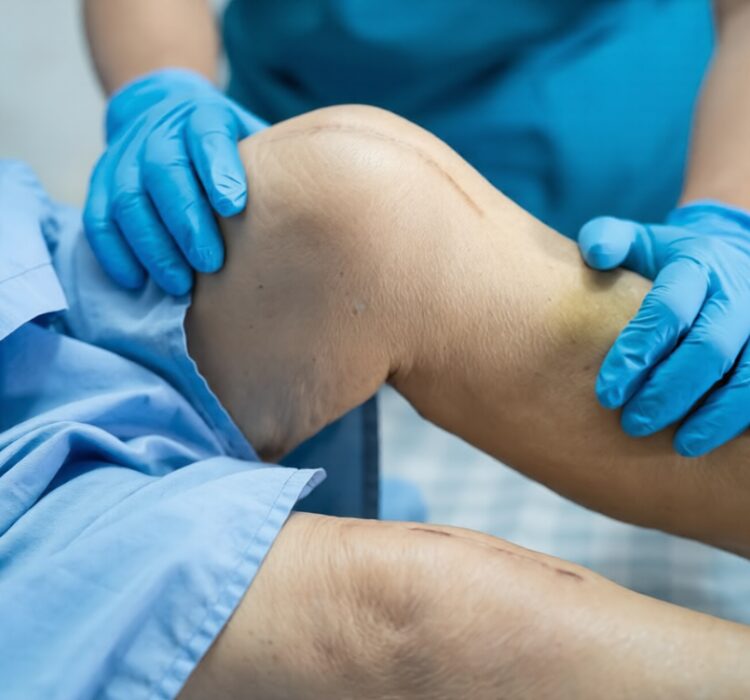
What Is Knee Ligament Surgery? Types, Procedure & Recovery
Knee ligament surgery is a specialized orthopedic procedure performed to repair or reconstruct damaged ligaments in the knee joint. Knee ligament injuries are common among athletes, active individuals, and even older adults due to accidents, sports injuries, or degenerative changes. When non-surgical treatment fails, knee ligament surgery becomes essential to restore knee stability, strength, and normal movement.
Understanding knee ligaments, their function, types of injuries, and recovery after knee ligament surgery helps patients make informed decisions and achieve better long-term outcomes.
What Is Knee Ligament Surgery?
Knee ligament surgery is performed to repair or reconstruct torn or severely damaged knee ligaments. In most cases, surgeons reconstruct the ligament using a graft rather than stitching the torn ligament directly.
This surgery is commonly recommended when a knee ligament tear leads to:
Modern knee ligament surgery is usually done using minimally invasive arthroscopic techniques, ensuring faster recovery and reduced pain.
What Are Knee Ligaments and Why Are They Important?
The knee joint is one of the most complex joints in the human body. It depends heavily on the knee ligaments to maintain stability and proper movement. Knee joint ligaments connect bones to bones and prevent excessive movement that could damage the joint.
The four main knee ligaments include:
Anterior Cruciate Ligament (ACL) – Controls forward movement of the shin bone
Posterior Cruciate Ligament (PCL) – Prevents backward movement of the shin bone
Lateral Collateral Ligament (LCL) – Stabilizes the outer knee
Damage to any of these knee joint ligaments can cause pain, swelling, instability, and difficulty walking or playing sports.
Types of Knee Ligament Surgery
Different types of knee ligament surgery are performed based on the specific ligament injured.
ACL Knee Ligament Surgery
ACL reconstruction is the most common knee ligament surgery, especially in athletes.
Uses tendon grafts from hamstring, patellar, or donor tissue
Restores knee stability during twisting movements
Prevents long-term joint damage
PCL Knee Ligament Surgery
PCL injuries may require surgery when instability persists.
Usually performed for severe ligament tears
Helps regain knee strength and function
MCL Knee Ligament Surgery
Most MCL injuries heal without surgery, but surgery is required when:
There is a complete knee ligament tear
Multiple ligaments are damaged
LCL Knee Ligament Surgery
LCL injuries often occur with other ligament injuries and require surgical repair for stability.
Causes of Knee Ligament Tear
A knee ligament tear occurs due to sudden injury or repeated stress on the knee. It is commonly caused by sports activities, sudden twisting movements, direct impact, falls, or accidents, leading to pain, swelling, instability, and difficulty in normal knee movement.
Recognizing knee ligament tear symptoms early is important to avoid further damage. Common symptoms include sudden knee pain, swelling, stiffness, instability, difficulty walking, reduced movement, and a popping sensation at the time of injury, especially during sports or sudden twisting activities.
Common symptoms include:
Sudden knee pain
Swelling within hours of injury
Knee instability or “giving way”
Difficulty walking or running
Reduced range of motion
Popping sensation at the time of injury
Persistent knee ligament tear symptoms often indicate the need for advanced knee ligament injury treatment or surgery.
Diagnosis Before Knee Ligament Surgery
Accurate diagnosis is crucial before performing knee ligament surgery. Doctors use a combination of:
Physical examination
X-rays (to rule out fractures)
MRI scans (gold standard for knee ligament injuries)
MRI helps visualize knee joint ligaments clearly and determine the severity of the tear.
Procedure of Knee Ligament Surgery
Modern knee ligament surgery is typically performed arthroscopically.
Step-by-Step Knee Ligament Surgery Procedure
Anesthesia – General or spinal anesthesia is given
Arthroscopic Evaluation – Small incisions are made to insert a camera
Removal of Torn Ligament – Damaged tissue is cleared
Graft Placement – New ligament graft is positioned
Fixation – Graft is secured with screws or anchors
Closure – Incisions are closed with minimal scarring
This minimally invasive approach reduces pain and speeds up recovery after knee ligament surgery.
Knee Ligament Injury Treatment: Surgery vs Non-Surgical Care
Not every knee injury needs surgery. Knee ligament injury treatment depends on the severity of the tear, knee stability, and the patient’s activity level. Mild injuries often heal with rest and physiotherapy, while severe or unstable ligament tears may require surgical treatment for full recovery.
Non-Surgical Treatment Options
Rest and activity modification
Knee braces
Physiotherapy
Pain management
When Knee Ligament Surgery Is Recommended
Complete ligament tear
Persistent instability
Failure of conservative treatment
Athletes want full performance recovery
Recovery After Knee Ligament Surgery
Recovery plays a vital role in the success of knee ligament surgery. Proper physiotherapy, guided exercises, and gradual activity progression help restore strength, flexibility, and stability of the knee, reduce complications, and ensure a safe return to daily activities and sports over time.
Recovery Timeline
Week 1–2: Pain control and swelling reduction
Weeks 3–6: Regaining knee motion and strength
Months 3–6: Advanced strengthening and balance training
6–9 Months: Return to sports activities
Physiotherapy After Knee Ligament Surgery
Physiotherapy focuses on:
Strengthening muscles around the knee
Improving balance and coordination
Protecting healing knee ligaments
Skipping rehab can compromise surgical results.
Benefits of Knee Ligament Surgery
Successful knee ligament surgery helps restore knee stability, reduce long-term pain, and improve mobility. It allows patients to return to daily activities and sports safely, prevents further joint damage, and enhances overall knee strength and confidence with proper rehabilitation and care.
Restores knee stability
Reduces chronic pain
Prevents further joint damage
Improves mobility and confidence
Allows safe return to sports and an active lifestyle
Risks and Complications of Knee Ligament Surgery
Although safe, knee ligament surgery may involve some risks:
Infection
Stiffness
Blood clots
Graft failure
Delayed recovery
Choosing an experienced orthopedic surgeon minimizes these risks significantly
Life After Knee Ligament Surgery
With proper care, patients can expect excellent outcomes after knee ligament surgery.
Tips for Long-Term Knee Health
Continue strengthening exercises
Maintain a healthy body weight
Use protective gear during sports
Avoid sudden overloading of the knee
Protecting the knee joint ligaments ensures long-lasting surgical success.
FAQs
What is knee ligament surgery?
Knee ligament surgery is a procedure used to repair or reconstruct damaged knee ligaments to restore stability, strength, and normal movement of the knee joint.
When is knee ligament surgery required?
Surgery is recommended when there is a complete knee ligament tear, persistent knee instability, or when non-surgical knee ligament injury treatment fails.
How long does recovery take after knee ligament surgery?
Recovery usually takes 6 to 9 months, depending on the type of knee ligament surgery, rehabilitation progress, and the patient’s activity level.
Is knee ligament surgery painful?
Pain after knee ligament surgery is usually manageable with medications and physiotherapy. Modern minimally invasive techniques help reduce post-surgery discomfort
Can I return to sports after knee ligament surgery?
Yes, most patients can safely return to sports after proper rehabilitation, strength training, and medical clearance following knee ligament surgery.
Conclusion
Knee ligament surgery is a highly effective solution for severe knee ligament injuries that affect stability and mobility. Understanding the types of knee ligaments, recognizing knee ligament tear symptoms, and following proper recovery protocols are essential for optimal results. With advanced surgical techniques and structured rehabilitation, patients can regain strength, confidence, and an active lifestyle after knee ligament surgery.