

12 Best Foods for Faster Knee Ligament Injury Recovery

12 Best Foods for Faster Knee Ligament Injury Recovery Knee ligament injury recovery food is more important than most people realize. What you eat directly affects how quickly your knee heals after a ligament strain, tear, or surgery. Along with proper medical care and physiotherapy, a nutritious diet helps your body rebuild tissues, boost collagen production, reduce inflammation, and support a faster, stronger recovery. Eating the right foods during recovery gives your body the building blocks it needs to repair damaged ligaments more efficiently. A nutrient-rich diet not only speeds up healing but also helps restore knee strength, stability, and overall joint health. Why Nutrition Matters in Knee Ligament Injury Recovery A knee ligament injury—whether it involves the ACL, PCL, MCL, or LCL—affects the stability of the knee joint and demands focused healing. While rest and physiotherapy are essential, food for ligament repair directly influences: Faster cell regeneration Reduced inflammation of the healing joint Better collagen production Improved knee ligament injury recovery time Stronger muscles and connective tissues Eating nutrient-dense foods helps you heal ligaments faster and supports long-term joint health. Top 12 Knee Ligament Injury Recovery Foods Food Key Benefits Why It Helps / Nutrients Best Ways to Consume 1. Eggs Repairs torn ligament fibers High-quality protein, amino acids, vitamin D, B12 Boiled, omelette, scrambled, egg whites, sandwiches 2. Fatty Fish (Salmon, Tuna) Reduces swelling & stiffness Omega-3 fatty acids, anti-inflammatory, supports collagen Grilled fish, baked fish, fish curry 3. Bone Broth Strengthens connective tissue Rich in collagen & gelatin, minerals for joint recovery Warm bone broth, soups 4. Spinach & Leafy Greens Reduces tissue damage Vitamin K, iron, antioxidants Salads, smoothies, cooked greens 5. Berries Tissue protection & faster recovery High vitamin C, antioxidants, boosts collagen Fresh berries, smoothies, fruit bowls 6. Nuts & Seeds Joint support & protein synthesis Omega-3 fats, magnesium, plant protein Handful of nuts, smoothies, seed mixes 7. Turmeric & Ginger Reduces swelling & pain Curcumin, gingerol, anti-inflammatory Golden milk, turmeric tea, ginger water 8. Greek Yogurt Strengthens muscles & bones Protein + calcium combination Plain Greek yogurt, fruit-yogurt bowls 9. Citrus Fruits Boosts collagen formation Vitamin C-rich: oranges, lemon, kiwi, amla Fresh fruit, juices (without sugar) 10. Lentils & Beans Supports tissue regeneration Plant protein, iron, zinc Dal, soups, bean salads 11. Sweet Potatoes Supports tissue growth Vitamin A, C, complex carbs, fiber Boiled, baked, mashed sweet potatoes 12. Whole Grains Provides energy for physiotherapy B-vitamins, sustained energy Brown rice, oats, quinoa, millets Best Nutrients for Knee Ligament Injury Recovery Nutrient Why It Helps Best Sources Protein Repairs torn ligament fibers Eggs, fish, yogurt, lentils Vitamin C Collagen formation Citrus fruits, berries Omega-3 Reduces inflammation Salmon, walnuts, flaxseeds Vitamin D Strengthens bones & ligaments Eggs, fortified milk Calcium Supports joint stability Greek yogurt, milk Collagen Rebuilds connective tissues Bone broth Antioxidants Reduces tissue damage Leafy greens, berries Daily Diet Plan for Knee Ligament Injury Recovery A structured diet plays a major role in speeding up ligament healing, reducing inflammation, and supporting muscle strength. The following sample plan is designed to provide the right balance of protein, vitamins, minerals, and anti-inflammatory nutrients required for knee recovery. Morning: Start your day with warm turmeric water to reduce inflammation and support joint healing. Follow it with 2–3 boiled eggs or a serving of paneer to supply high-quality protein needed for rebuilding damaged ligament fibers. Amla or orange juice adds a natural boost of vitamin C, which enhances collagen formation and strengthens connective tissues. Mid-Morning: A simple mix of berries and nuts provides antioxidants that protect cells during the healing process, along with healthy fats to support joint lubrication. Coconut water helps maintain hydration and replenishes electrolytes, essential for maintaining muscle function during recovery. Lunch: Brown rice or millets offer sustained energy without spiking blood sugar, while dal or grilled fish delivers essential proteins and amino acids required for tissue repair. Adding spinach sabzi ensures you get iron, magnesium, and vitamin K—nutrients that support stronger bones and improved blood circulation to the injured area. Evening Snack: Greek yogurt paired with chia seeds creates a nutrient-dense snack rich in calcium, protein, and omega-3 fatty acids. This combination helps reduce inflammation, supports muscle nourishment, and improves joint stability. Dinner: A warm bowl of bone broth or vegetable soup aids tissue healing and provides easily digestible nutrients. Including sweet potato offers complex carbs and antioxidants, while a light salad adds fiber and micronutrients that support overall recovery and digestion before sleep. This meal plan ensures your body receives a steady supply of healing nutrients throughout the day, helping your knee ligament recover faster, stronger, and with better long-term stability. Foods to Avoid During Ligament Healing Avoid foods that increase inflammation or slow down recovery: Deep-fried foods Excess sugar Alcohol Refined flour products Excess salt Processed snacks Avoiding these helps improve your knee ligament injury recovery time. How to Heal Ligaments Faster (Beyond Food) Along with knee ligament injury recovery food, follow these additional tips: Take enough rest Avoid weight-bearing early Follow physiotherapy sessions regularly Use cold & hot therapy as advised Stay hydrated Maintain proper posture Strengthen muscles gradually When to See a Doctor for Knee Ligament Pain While mild ligament injuries often improve with rest, proper nutrition, and physiotherapy, certain symptoms indicate that your knee may need immediate medical attention. Ignoring these signs can delay healing or worsen the injury. Seek a doctor’s help if you experience: Severe or Persistent Pain If pain does not reduce with rest, ice, or medication — or worsens over time — it may indicate a serious tear. Noticeable Knee Instability A sensation that your knee might “give out” or cannot hold your weight suggests ligament damage that needs evaluation. Excessive Swelling or Inflammation Swelling that lasts more than 48–72 hours or keeps increasing can signal internal injury or fluid buildup. Limited Knee Movement Inability to bend, straighten, or rotate the knee normally may mean a major sprain or tear. Clicking, Locking, or Popping Sounds Painful clicks or locking episodes can indicate a
Knee Brace for ACL Injuries: Types, Benefits & How to Choose
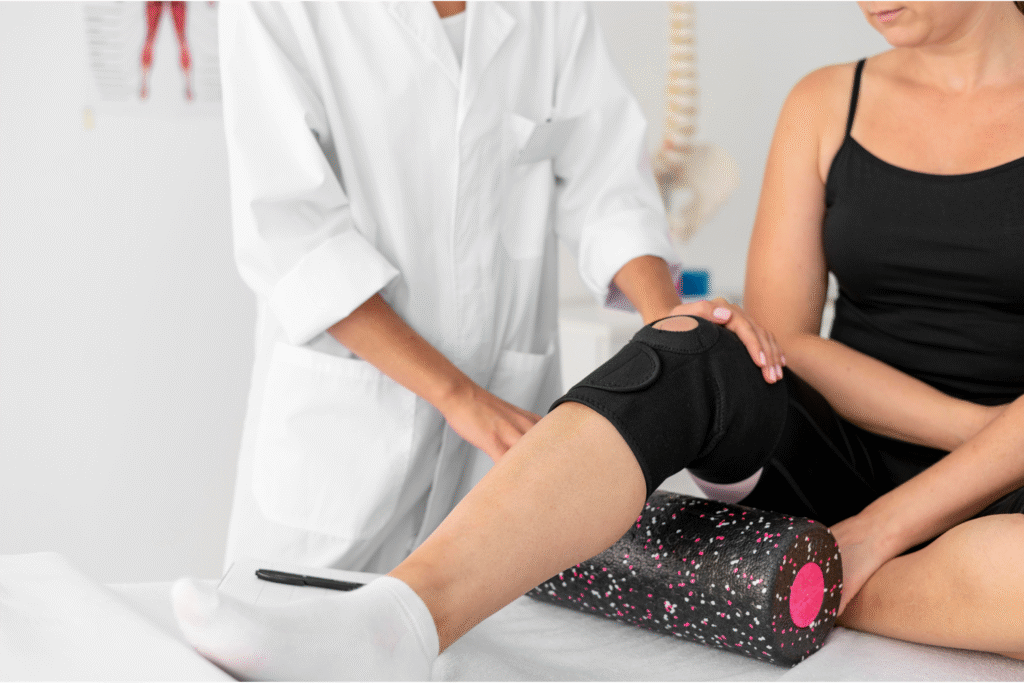
Knee Brace for ACL Injuries: Types, Benefits & How to Choose Dealing with an ACL tear can feel overwhelming, especially when simple activities like walking, climbing stairs, or bending the knee suddenly become difficult. For many recovering patients and athletes, a knee brace for ACL injuries becomes an essential part of their healing journey. ACL tears are among the most common knee injuries worldwide, and understanding the symptoms, treatment options, and recovery timeline plays a vital role in restoring knee function. The right brace provides stability, prevents unwanted movement, and gives the knee the controlled environment it needs to heal properly. Before exploring brace types and recovery methods, it’s essential to understand how ACL injuries occur and why early detection matters. These injuries are rising among athletes and everyday individuals due to sudden twists and poor landing techniques. This guide covers key symptoms, effective ACL injury treatment, recovery time, prevention tips, risks for football players, and how to choose the right knee brace for ACL injuries. Understanding ACL Injuries and Why They Happen The ACL(Anterior Cruciate Ligament) is one of the primary stabilising ligaments of the knee. It prevents the shinbone from sliding too far forward and helps maintain overall knee stability. When this ligament is stretched beyond its limit or torn due to sudden movements, the knee becomes unstable and painful. ACL tears often happen during high-impact or high-speed movements. While athletes face the highest risk, non-athletes can also suffer ACL tears from everyday missteps. Many recent cases involve ACL injury in football players, mainly due to rapid direction changes, sudden stops, and unexpected tackles. Common ACL Injury Symptoms You Should Never Ignore Early identification leads to better outcomes. Many people often mistake ACL injuries for a simple sprain because the symptoms can overlap. However, certain signs of ACL injury stand out clearly. The most important ACL injury symptoms include: A loud or noticeable “pop” sound at the moment of injury Rapid swelling within the first few hours Severe pain that worsens with movement Difficulty standing or walking Knee instability or the feeling that the knee might “give way” Reduced range of motion Recognising these warning signs early leads to faster ACL injury treatment and reduces long-term complications. Why a Knee Brace Helps During ACL Injury Recovery One of the biggest concerns for patients is ACL injury recovery time, which varies depending on the grade of the tear. This is where a brace becomes incredibly valuable. A knee brace for ACL injuries provides mechanical stability, prevents unwanted twisting, and supports the knee during physiotherapy exercises. Braces help in the following ways: They reduce strain on healing tissues and control knee movement They support the knee during walking They improve confidence during rehabilitation They help maintain proper alignment during the recovery process They play a critical role in preventing reinjury, especially for patients returning to sports They reduce the risk of compensatory injuries in other leg muscles Without adequate support, a recovering knee is vulnerable to new injuries. That’s why orthopaedic doctors recommend braces not only after surgery but also during non-surgical recovery programs. Types of Knee Braces for ACL Tears Not every knee brace is designed for ACL protection. Different braces serve different purposes depending on the severity of the injury, the treatment plan, and the patient’s activity level. Below is a detailed comparison table to help you understand the role of each brace: Type of Knee Brace Best For Support Level Advantages Limitations Functional Brace Post-surgery or partial ACL tears High Excellent stability during sports and walking May feel heavier than basic braces Prophylactic Brace Injury prevention for athletes Medium Helps reduce injury risk and supports high-impact activities Not suitable for severe ACL tears Rehabilitative Brace Post-surgery initial recovery Very High Strict movement control protects graft healing Limits mobility significantly Hinged Knee Brace Mild ACL sprains and daily support Medium to High Comfortable for long-term use Not ideal for complete tears Custom-Fitted Brace Chronic knee instability Maximum Tailored fit and superior joint control Higher cost compared to standard braces Selecting the right brace depends on your recovery phase, daily activities, and medical recommendations. Understanding ACL Injury Treatment Treatment options vary depending on the severity of the tear. Some partial tears can be managed with targeted physiotherapy and bracing, while complete tears often require surgical reconstruction. Successful ACL injury treatment usually involves: Strengthening exercises for quadriceps and hamstrings Reducing inflammation through rest and physiotherapy Using a supportive knee brace for ACL injuries Training the muscles to support proper knee alignment Surgical reconstruction for complete tears Post-surgery rehabilitation for long-term knee stability Treatment is never one-size-fits-all. It is tailored to the individual’s activity level, age, injury type, and overall health. How Long to Recover From ACL Injury? Understanding the Timeline A question many patients ask is: How long to recover from ACL injury? The answer depends on several factors, including injury grade, treatment type, physical fitness, and commitment to rehabilitation. Typical recovery timelines: Mild ACL sprain: 4 to 8 weeks Partial ACL tear: 3 to 6 months Complete ACL tear with surgery: 8 to 12 months Because ligament tissue heals slowly, the right brace helps protect the knee during each stage, shortening overall ACL injury recovery time. Factors affecting recovery time include: Muscle strength before and after injury Quality and frequency of physiotherapy sessions Use of braces during high-risk activities Age and weight of the patient Commitment to recommended exercises Even after recovery, continuing to use protective measures, especially during sports, is essential to avoid ACL injury in the future. How to Choose the Right Knee Brace for ACL Injuries Choosing the right brace is important for maximising stability and preventing reinjury. The ideal brace depends on your recovery stage, movement restrictions, and comfort preferences. Here are the most important factors to consider: Injury severity or grade diagnosed by a doctor Your daily activity level or sports involvement
Meniscus Tear Exercises You Can Do at Home for Faster Healing
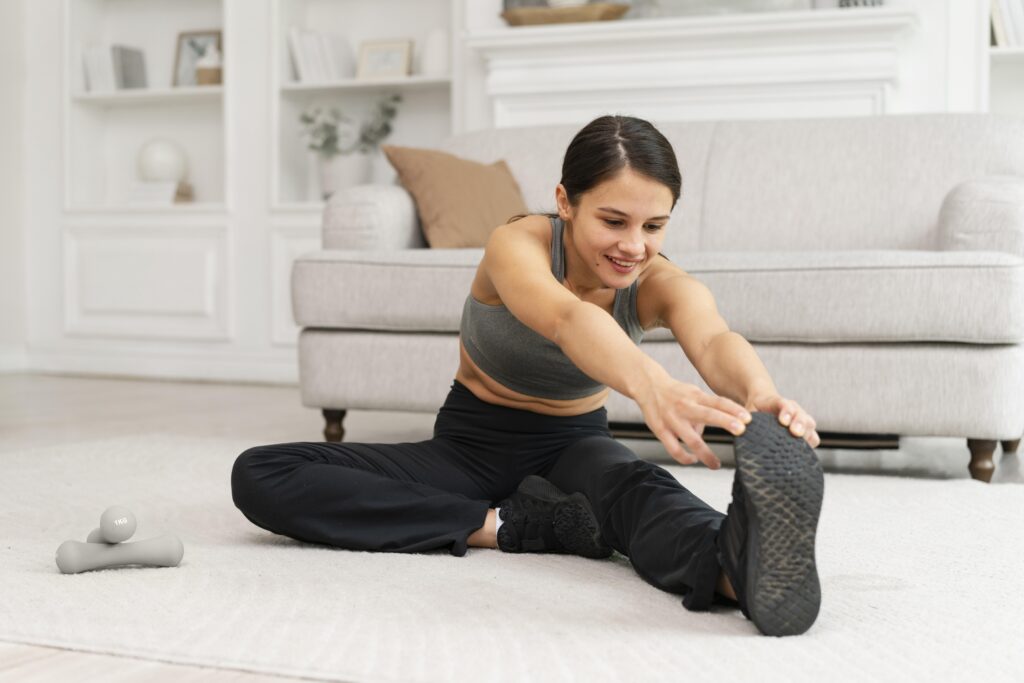
Meniscus Tear Exercises You Can Do at Home for Faster Healing If you’ve ever felt a sharp pinch inside your knee after a simple twist, squat, or even while getting up from the floor, you’re not alone. It happened to a friend of mine during a random badminton match, and it’s what pushed us to learn about safe meniscus tear exercises he could follow at home. One wrong step, a sudden pivot, and he ended up with pain so intense that even walking became a challenge. This kind of injury is more common than most people realize, affecting active adults, office workers, and even older individuals dealing with natural knee wear and tear. That’s when I understood how important it is to know what a meniscus injury truly means, and how the right home exercises can support proper healing. For anyone exploring safe, reliable Meniscus Tear Treatment, understanding these basics is the first step toward recovery. Today, we’ll look at effective, doctor-approved exercises that encourage faster healing with clear, practical guidance. Most importantly, this guide focuses on helping people understand the safest movements that improve strength, stability, and mobility during meniscus recovery. What is a meniscus tear The meniscus is a small, C-shaped piece of cartilage inside your knee that works like a shock absorber. It cushions your joints, helps distribute weight evenly, and supports overall knee stability. A tear usually occurs from a sudden twist, quick turn, deep squat, or gradual degeneration over time. In many cases, people experience an ACL and meniscus tear together because both structures are stressed during high-impact or twisting movements. According to the American Academy of Orthopaedic Surgeons (AAOS), meniscus injuries affect more than 850,000 people each year in the United States alone, making it one of the most common knee problems worldwide. Common Symptoms of a Meniscus Tear Not all knee pain is the same, but meniscus tear symptoms often follow a similar pattern and can be easily recognized by patients: Sharp pain on one side of the knee Swelling that increases over a few hours Difficulty bending or straightening the knee Clicking or popping sensation Knee locking or inability to fully move the joint A feeling of instability These meniscus tear symptoms depend on the type and severity of the tear, which is why understanding tear types is so important before beginning any exercise routine. Types of Meniscus Tears Meniscus tears are knee cartilage injuries that cause pain, swelling, stiffness, and limited movement, often requiring targeted exercises and care. 1. Bucket Handle Meniscus TearThis occurs when a large portion of the meniscus folds over like a handle. It often leads to severe locking of the knee and may require medical intervention. 2. Horizontal Meniscus TearA common tear among older adults and those with degenerative knee conditions. It runs across the cartilage horizontally and may respond well to conservative exercises. 3. Meniscus Flap Tear Here, a flap of cartilage gets displaced, causing catching or clicking sensations. Depending on its severity, some cases improve with strengthening routines. 4. ACL and Meniscus Tear Combination Athletes often experience both together, leading to an ACL and meniscus tear at the same time. A sudden twist can injure the meniscus and the ACL simultaneously. Rehabilitation requires a more controlled and progressive approach. How Long Does a Meniscus Tear Take to Heal? Healing time varies widely depending on the tear: Type of Meniscus Tear Expected Healing Time (Without Surgery) Expected Healing Time (With Surgery) Minor / Small Tear 2–6 weeks 4–8 weeks Moderate Tear 6–12 weeks 8–14 weeks Severe / Large Tear May not heal naturally 12–16 weeks Degenerative Tear 4–12 weeks (exercise + lifestyle changes) Depends on severity Several factors influence healing, including age, weight, activity level, tear location, and overall knee strength. While some tears require surgery, many people recover successfully with targeted strengthening routines. Do You Need a Knee Brace for a Meniscus Tear? A knee brace is not always mandatory, but it can provide, especially when you choose the right knee brace for a meniscus tear: Stability Controlled movement Reduced strain during walking Pain reduction Most physiotherapists recommend a hinged brace for moderate tears and a compression sleeve for general support. However, a knee brace for a meniscus tear cannot replace strengthening; the real improvement comes from controlled movement. Best Meniscus Tear Exercises You Can Do at Home for Faster Healing Below are the most recommended and safe Meniscus Tear Exercises, designed to strengthen your knee without overloading it. 1. Quad Sets This simple exercise activates the quadriceps muscle—one of the main stabilisers of the knee. How to do it: Sit with your leg straight. Tighten the front of your thigh. Hold for 5 seconds. Repeat 15 times. 2. Straight Leg Raise Perfect for strengthening the knee without bending it. How to do it: Lie flat on your back. Keep one leg bent and the injured leg straight. Lift the straight leg to knee height. Hold, then slowly lower. Repeat 12–15 times. 3. Heel Slides (Mobility Exercise) Helps restore range of motion. How to do it: Sit or lie down. Slide your heel toward your glutes. Hold the stretch for a few seconds. Slide back. Repeat 15 times. 4. Hamstring Curls Strengthens the back of the thigh, reducing pressure on the meniscus. How to do it: Stand with support. Bring the heel toward your hips. Hold briefly, then lower. Repeat 10–15 times. 5. Wall Squats (Only Mini Squats!) Mini squats improve strength without deep bending (deep squats worsen tears). How to do it: Stand with your back supported against a wall. Bend slightly (not more than 30 degrees). Hold for 5 seconds. Repeat 10–12 times. 6. Step-Ups This builds balance, control, and quadriceps strength. How to do it: Use a low step. Step up with your injured leg first. Step down slowly. Repeat 10–12 times. 7. Standing Balance Exercise Balance is a core part of knee rehabilitation. How to do it: Stand on the injured leg. Maintain balance for 20–30 seconds. Repeat 3–4 times.
ACL and Meniscus Surgery: When Needed, Procedure & Recovery
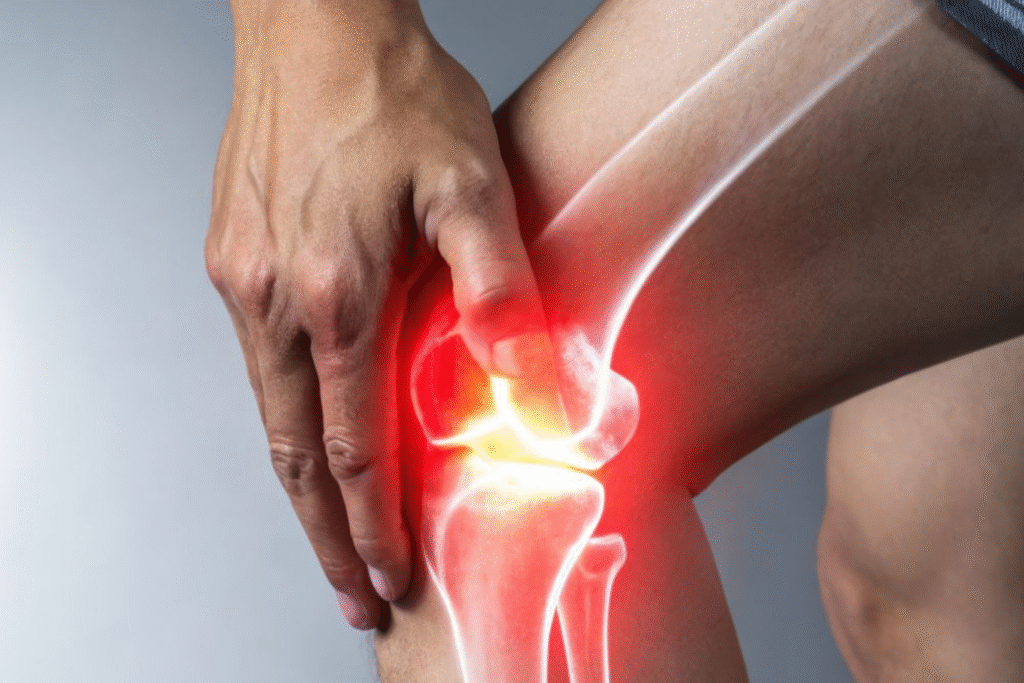
ACL and Meniscus Surgery: When Needed, Procedure & Recovery ACL and meniscus surgery is one of the most common orthopedic procedures performed for knee injuries caused by sports activities, sudden twisting motions, or accidental trauma. Since these injuries frequently occur together, timely and accurate diagnosis becomes essential for restoring stability, mobility, and long-term knee function. Understanding when surgery is needed, how the procedure works, and what the recovery timeline involves—especially key points like ACL surgery recovery time, early symptoms, and when you can start walking after ACL surgery—helps patients make informed and confident treatment decisions. What Are ACL and Meniscus Injuries? The knee joint is supported by multiple ligaments and structures. Two of the most commonly injured components are: ACL (Anterior Cruciate Ligament) This ligament stabilizes the knee and prevents excessive forward movement of the tibia. ACL injuries usually happen during: High-intensity sports Incorrect landings Sudden stops Pivoting or twisting actions Meniscus The meniscus is a C-shaped cartilage that works as a shock absorber. Tears typically occur due to: Deep squats Twisting forces Degeneration with age Sports-related trauma Both injuries can occur independently but often happen together, especially in athletes. Signs of an ACL Tear You Should Never Ignore Early identification prevents worsening damage. The most common ACL tear include: A popping sound at the moment of injury Severe knee pain Immediate swelling Difficulty bearing weight Feeling of instability or “giving way” Limited range of motion Difficulty walking or bending the knee If these symptoms occur, immediate evaluation by an orthopedic specialist is recommended. Do You Need ACL and Meniscus Surgery? Not all knee injuries require surgery. However, surgery becomes necessary when: 1. ACL Reconstruction Is Needed When: The ACL is fully torn You feel instability while walking You want to return to sports You have persistent pain or weakness Non-surgical treatments don’t work 2. Meniscus Surgery Is Needed When: The tear causes locking or catching Pain persists for weeks Swelling does not reduce Tear type is complex (e.g., radial, bucket-handle) Torn meniscus flap moves inside the joint 3. Combined ACL and Meniscus Surgery Is Needed When: Both structures are injured You experience severe instability MRI confirms dual damage You want long-term knee stability You aim for athletic return Which Injury Requires Which Surgery? Injury Type Symptoms Recommended Surgery ACL Tear (Complete) Instability, swelling, pain ACL Reconstruction ACL Partial Tear Mild instability, discomfort Depends on severity; physiotherapy or ACL recon Meniscus Tear (Simple) Pain, mild locking, swelling Meniscus Repair or Partial Meniscectomy Meniscus Tear (Complex/Bucket) Severe locking, limited motion Meniscus Repair (if possible) or Meniscectomy Combined ACL + Meniscus Tear Instability + locking Combined ACL Reconstruction + Meniscus Repair How ACL and Meniscus Surgery Works These surgeries are commonly performed arthroscopically, meaning small incisions and faster healing. Step 1: Diagnosis and Pre-Surgical Evaluation MRI scan to assess ligament and cartilage damage Physical knee stability tests Medical clearance for anesthesia Step 2: ACL Reconstruction ACL reconstruction involves replacing the torn ligament with a graft: Autograft: Taken from patient’s own hamstring or patellar tendon Allograft: Donor tissue The surgeon creates tunnels in the bones and places the graft to recreate the ACL structure. Step 3: Meniscus Repair or Removal Depending on tear type: Meniscus repair: Stitches are used to fix the meniscus Meniscectomy: Damaged part is trimmed Root repair: For tears near the attachment point Step 4: Recovery Begins Immediately Patients start physiotherapy from the same or next day for a stable recovery path. ACL & Meniscus Surgery Recovery Timeline Phase Timeframe Goals Activities Restrictions Phase 1: Protection Weeks 0-2 Control pain & swelling, Protect repair Ice, elevation, gentle ROM exercises, quad sets No weight-bearing or partial (crutches), brace locked Phase 2: Early Rehab Weeks 2-6 Restore ROM (0-90°), Begin strengthening Stationary bike, leg raises, heel slides, balance work Limited bending, no twisting/pivoting Phase 3: Strengthening Weeks 6-12 Full ROM, Build muscle strength Squats, leg press, swimming, elliptical No running or jumping Phase 4: Advanced Training Months 3-6 Improve stability & endurance Jogging (month 4+), agility drills, sport-specific exercises No contact sports or cutting movements Phase 5: Return to Sport Months 6-9+ Full functional return Plyometrics, full sport practice, clearance testing Cleared by surgeon/PT only Recovery Tips After ACL and Meniscus Surgery Following recovery guidelines improves knee strength and reduces complications. 1. Begin Physical Therapy Early Restores flexibility Improves strength Reduces joint stiffness 2. Use Ice Packs Helps reduce swelling and pain. 3. Maintain Proper Knee Brace Use Protects the repaired ligament and cartilage. 4. Avoid High-Impact Activities Initially Running, basketball, football, and jumping should be avoided for several months. 5. Focus on Nutrition Protein-rich foods promote tissue healing. 6. Do Recommended Rehab Exercises Daily Consistency is key for long-term success. Benefits of ACL and Meniscus Surgery Here are the benefits explained in a single line under each heading: Improved knee stability : Restores the joint’s structural integrity to prevent it from buckling or giving way during movement. Faster return to sports : Provides the necessary strength and support to safely resume high-impact activities like pivoting and jumping Reduced risk of further injury : Stabilizes the knee to prevent loose movements that could damage the cartilage or other ligaments. Relief from pain : Repairs or removes torn tissue to eliminate chronic aching, swelling, and mechanical locking. Better joint mobility : Clears physical blockages inside the joint to allow the leg to fully bend and straighten again. Long-term knee protection : Corrects joint mechanics to preserve cartilage health and help delay the onset of arthritis. Possible Risks and Complications Here is a brief explanation of the possible risks associated with knee surgery: Possible Risks and Complications Here is a brief explanation of the possible risks associated with knee surgery: Infection : Bacteria entering the surgical site or joint, potentially requiring antibiotics or additional cleaning. Blood clots : Clots forming in the leg veins due to immobility, which can be dangerous if they travel to the lungs. Stiffness : Scar tissue buildup (arthrofibrosis) that limits the ability to fully bend


