Arthroscopic ACL Reconstruction: Procedure, Recovery Time & Success Rate Explained
Arthroscopic ACL reconstruction is one of the most advanced and commonly performed orthopedic procedures to treat a torn anterior cruciate ligament (ACL) in the knee. The ACL plays a critical role in stabilizing the knee joint, especially during activities like running, jumping, and sudden direction changes.
Injuries to the ACL are very common among athletes and even in daily life due to accidents, falls, or sports trauma. When the ligament is completely torn or severely damaged, ACL reconstruction surgery is often recommended to restore knee stability and function.
This blog will provide a complete, patient-friendly guide to Arthroscopic ACL reconstruction, including procedure details, recovery timeline, success rate, cost, and important precautions.
What is Arthroscopic ACL Reconstruction?
Arthroscopic ACL reconstruction is a minimally invasive surgical procedure used to replace a torn ACL with a graft (tissue taken from your own body or a donor). The surgery is performed using an arthroscope—a small camera inserted into the knee through tiny incisions.
Unlike traditional open surgery, arthroscopy offers:
Smaller cuts
Less pain
Faster recovery
Better precision
This procedure is widely considered the gold standard for ACL injury treatment.
Causes of ACL Injury
Understanding the cause of ACL injury helps in prevention and early treatment. Common causes include:
Sudden twisting or pivoting movements
Landing incorrectly after a jump
Direct impact during sports (football, cricket, basketball)
Road accidents or falls
In some cases, people may experience a partial ACL tear, where the ligament is not completely torn but still causes instability.
Symptoms of ACL Injury
If you have an ACL injury, you may notice:
A “popping” sound at the time of injury
Severe knee pain
Swelling within a few hours
Difficulty in walking or bearing weight
Knee instability or “giving way” sensation
Early diagnosis is important for effective ACL injury treatment.
When Do You Need Arthroscopic ACL Reconstruction?
Not every ACL injury requires surgery. However, Arthroscopic ACL reconstruction is recommended in the following cases:
Complete ACL tear
Persistent knee instability
Active individuals or athletes
Failure of non-surgical treatment
Associated injuries like meniscus tear
For a partial ACL tear, doctors may initially suggest physiotherapy, but surgery may be needed if symptoms worsen.
Arthroscopic ACL Reconstruction Procedure
Step-by-Step Process of Arthroscopic ACL Reconstruction
Here’s how Arthroscopic ACL reconstruction is performed:
1. Pre-Surgery Preparation
Physical examination and MRI scan
Blood tests and medical evaluation
Prehabilitation exercises to strengthen muscles
2. Anesthesia
The patient is given spinal or general anesthesia
3. Arthroscopy
Small incisions are made around the knee
An arthroscope (camera) is inserted to visualize the joint
4. Removal of Damaged Ligament
The torn ACL is removed carefully
5. Graft Selection
Common graft options include:
Hamstring tendon
Patellar tendon
Donor graft (allograft)
6. Graft Placement
The new ligament is fixed using screws or implants
7. Closure
Incisions are closed with stitches
The entire ACL reconstruction surgery usually takes around 1 to 2 hours.
Benefits of Arthroscopic ACL Reconstruction
Choosing Arthroscopic ACL reconstruction offers several advantages:
Minimally invasive technique
Faster recovery compared to open surgery
Less post-operative pain
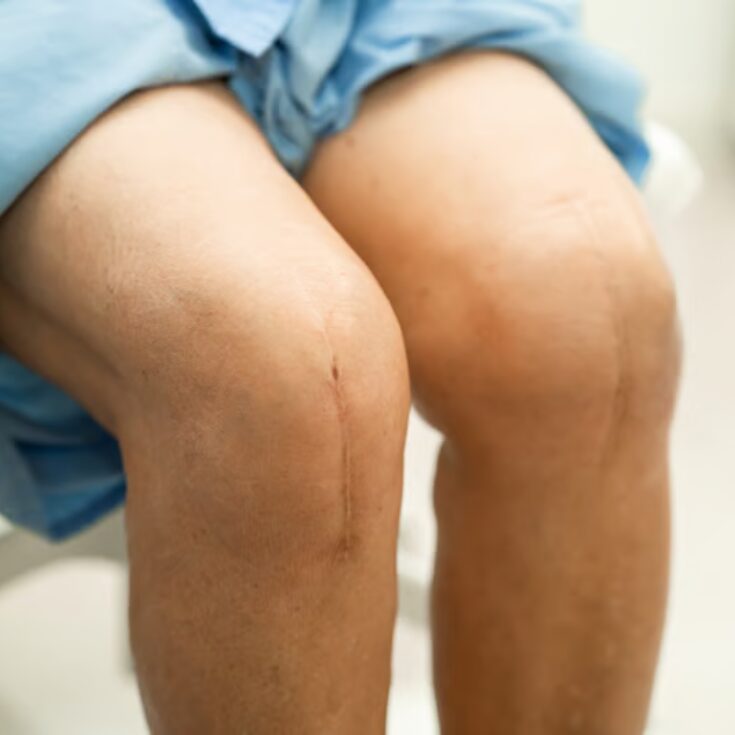
Smaller scars
High success rate
Early return to sports and activities
Arthroscopic ACL Reconstruction Recovery Time
Recovery after Arthroscopic ACL reconstruction depends on several factors like age, fitness level, and adherence to rehabilitation.
Recovery Timeline
Week 1–2
Pain and swelling reduce
Walking with support
Basic exercises start
Week 3–6
Improved knee movement
Strengthening exercises
Reduced dependency on crutches
2–3 Months
Increased strength and flexibility
Light physical activities
4–6 Months
Advanced physiotherapy
Jogging and sports drills
6–9 Months
Return to sports (depending on recovery)
Proper rehabilitation is crucial for the success of ACL reconstruction surgery.
Physiotherapy After Arthroscopic ACL Reconstruction
Physiotherapy plays a key role in recovery:
Improves range of motion
Strengthens muscles
Prevents stiffness
Reduces risk of re-injury
Skipping rehab can lead to complications and poor outcomes.
Success Rate of Arthroscopic ACL Reconstruction
The success rate of Arthroscopic ACL reconstruction is very high, typically around 85% to 95%.
Factors affecting success include:
Surgeon’s expertise
Patient’s age and fitness
Proper rehabilitation
Type of graft used
Most patients return to normal activities and sports after successful ACL reconstruction surgery.
ACL Surgery Cost in India
The ACL surgery cost in India varies based on hospital, surgeon, and city.
Average Cost Range:
₹80,000 to ₹2,50,000
Factors Affecting Cost:
Type of hospital (private/government)
Surgeon’s experience
Type of graft used
Implant quality
Post-surgery rehabilitation
The ACL reconstruction surgery cost may also include diagnostic tests, hospital stay, and physiotherapy sessions.
Risks and Complications
Although Arthroscopic ACL reconstruction is safe, some risks may include:
Infection
Blood clots
Knee stiffness
Graft failure
Persistent pain
Bad Signs After ACL Surgery
Watch out for these bad signs after ACL surgery:
Severe swelling that doesn’t reduce
Continuous pain
Fever or infection signs
Limited knee movement
Instability even after surgery
If you notice these symptoms, consult your doctor immediately.
Tips for Faster Recovery
To ensure a smooth recovery after Arthroscopic ACL reconstruction, follow these tips:
Follow your physiotherapy routine strictly
Avoid high-impact activities early
Maintain a healthy diet
Keep your weight under control
Use knee braces if recommended
Prevention of ACL Injuries
Preventing ACL injuries is always better than treatment. You can reduce risk by:
Strength training exercises
Proper warm-up before sports
Using correct techniques during activities
Wearing proper footwear
FAQs
What is Arthroscopic ACL reconstruction?
Arthroscopic ACL reconstruction is a minimally invasive surgery to replace a torn ACL using a graft and a camera-guided technique.
How long does it take to recover from ACL reconstruction surgery?
Recovery from ACL reconstruction surgery usually takes 6 to 9 months, depending on rehabilitation and patient condition.
What is the success rate of Arthroscopic ACL reconstruction?
The success rate of Arthroscopic ACL reconstruction is around 85% to 95%.
What is the ACL surgery cost in India?
The ACL surgery cost in India ranges between ₹80,000 to ₹2,50,000, depending on multiple factors.
When can I return to sports after ACL reconstruction?
Most patients can return to sports 6–9 months after Arthroscopic ACL reconstruction, based on recovery progress.
Conclusion
Arthroscopic ACL reconstruction is a highly effective and advanced procedure for treating ACL injuries. With modern surgical techniques, high success rates, and proper rehabilitation, patients can return to their normal lifestyle and sports activities.
If you are experiencing knee instability or suspect an ACL injury, early diagnosis and the right ACL injury treatment can make a significant difference in your recovery.