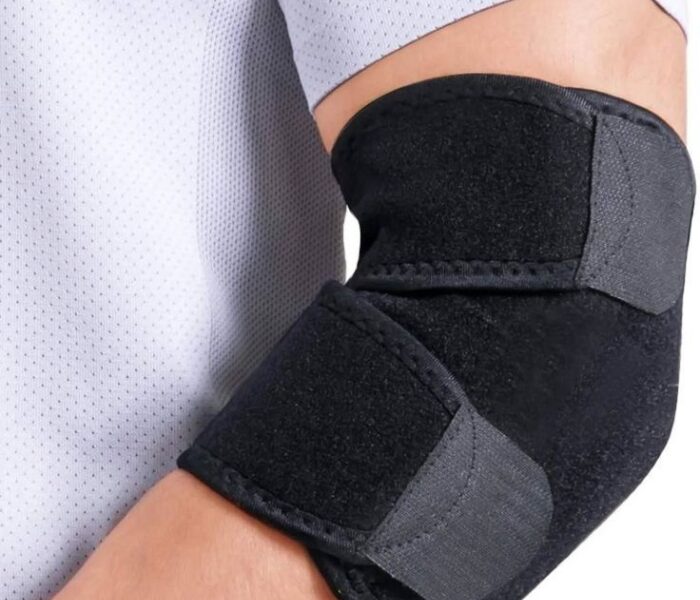
Tennis Elbow Brace for Pain Relief: How to Choose the Right One
A tennis elbow brace is one of the most effective non-surgical solutions for managing pain caused by repetitive strain injuries in the elbow. Despite the name, tennis elbow (lateral epicondylitis) is not limited to athletes—it commonly affects people who perform repetitive hand or arm movements, such as office workers, laborers, and gym-goers.
If you are experiencing discomfort, weakness, or stiffness in your elbow, using the right tennis elbow brace can significantly reduce pain and support healing. However, choosing the correct brace is crucial for achieving the best results.
In this detailed guide, we will explain how a tennis elbow brace works, its benefits, types, how to choose the right one, and how it fits into overall tennis elbow treatment.
What is Tennis Elbow?
Tennis elbow is a condition caused by overuse of the forearm muscles and tendons. It leads to pain on the outer part of the elbow and can worsen with activity.
Common causes include:
Repetitive wrist movements
Lifting heavy objects
Sports activities like tennis, badminton, or cricket
Typing or prolonged computer use
A tennis elbow brace helps manage this condition by reducing strain on the affected tendons.
What is a Tennis Elbow Brace?
A tennis elbow brace is a supportive device worn around the forearm or elbow to reduce pressure on the injured tendons. It acts as an external stabilizer and redistributes force away from the painful area.
Unlike a full elbow brace, a tennis elbow brace is typically smaller and designed specifically for targeted compression.
How It Works
Applies pressure to forearm muscles
Reduces stress on the tendon attachment
Improves blood circulation
Minimizes pain during movement
Using a tennis elbow brace regularly can support recovery and improve function.
Benefits of Using a Tennis Elbow Brace
1. Pain Relief
A properly fitted tennis elbow brace helps reduce discomfort by limiting excessive movement.
2. Improved Support
It provides additional elbow support, especially during physical activity.
3. Faster Recovery
By reducing strain, it supports healing as part of elbow pain treatment.
4. Non-Surgical Solution
It is an effective option in conservative tennis elbow treatment plans.
5. Prevents Further Injury
Using a tennis elbow brace can help prevent worsening of the condition.
Types of Tennis Elbow Brace
Choosing the right tennis elbow brace depends on your symptoms and lifestyle.
1. Counterforce Brace
Most common type
Worn just below the elbow
Applies pressure to forearm muscles
2. Sleeve Brace
Covers the entire elbow
Provides compression and warmth
Useful for mild to moderate pain
3. Strap Brace
Lightweight and adjustable
Ideal for daily use
Offers targeted support
4. Hinged Elbow Brace
Provides maximum stability
Used in severe cases or post-injury recovery
Each type of elbow brace serves a specific purpose, so selection should be based on your condition.
How to Choose the Right Tennis Elbow Brace
Selecting the right tennis elbow brace is essential for effective relief.
1. Identify Your Pain Level
Mild pain → Sleeve brace
Moderate pain → Strap brace
Severe pain → Hinged brace
2. Check Size and Fit
A poorly fitted tennis elbow brace may worsen symptoms. Ensure:
Proper compression
Comfortable fit
Adjustable straps
3. Material Quality
Choose breathable and skin-friendly material to avoid irritation.
4. Activity Level
For sports → Lightweight brace
For daily use → Comfortable elbow support
For recovery → Strong elbow brace
5. Doctor Recommendation
Always consult a specialist for personalized elbow joint pain treatment advice.
When Should You Use a Tennis Elbow Brace?
You should consider using a tennis elbow brace if you have:
Persistent elbow pain
Weak grip strength
Difficulty lifting objects
Pain during repetitive movements
It is commonly recommended as part of elbow pain treatment and rehabilitation.
Tennis Elbow Brace vs Elbow Support
Many people confuse a tennis elbow brace with general elbow support.
Feature
Tennis Elbow Brace
Elbow Support
Purpose
Targeted pain relief
General stability
Design
Strap-based
Sleeve or wrap
Usage
Tendon injuries
Joint support
Both can be used together depending on the condition.
Role in Tennis Elbow Treatment
A tennis elbow brace is just one part of a complete tennis elbow treatment plan.
Other Treatments Include:
Rest and activity modification
Ice therapy
Physiotherapy
Medications
Injections (in severe cases)
Combining a tennis elbow brace with these treatments improves recovery outcomes.
Exercises Along with Tennis Elbow Brace
Rehabilitation exercises are essential for recovery.
Recommended Exercises:
Wrist extension stretch
Forearm strengthening
Grip exercises
Resistance band workouts
These exercises enhance the effectiveness of elbow joint pain treatment.
Other Conditions That May Require Elbow Brace
A good elbow brace may also help in:
Elbow bursitis treatment
Ligament injuries
Post-surgery recovery
Chronic joint conditions
However, it is important to differentiate between conditions for proper treatment.
Common Mistakes to Avoid
When using a tennis elbow brace, avoid:
Wearing it too tight
Using the wrong size
Ignoring pain symptoms
Skipping physiotherapy
Over-reliance without proper treatment
Correct usage ensures better results.
Lifestyle Tips for Faster Recovery
To support healing along with a tennis elbow brace:
Avoid repetitive strain
Maintain proper posture
Use ergonomic tools
Take regular breaks
Follow doctor advice
These steps enhance overall elbow pain treatment outcomes.
Skin and Cosmetic Concerns
Some patients also search for Dark knees and elbows treatment. While unrelated to tendon injuries, maintaining skin health is important. Use moisturizers, exfoliation, and dermatological treatments if needed.
When to See a Doctor
Consult a specialist if:
Pain persists for weeks
Movement becomes restricted
Swelling increases
No improvement with brace use
Professional evaluation ensures correct diagnosis and treatment.
FAQs
Does a tennis elbow brace really work?
Yes, a tennis elbow brace reduces strain on tendons and helps relieve pain.
How long should I wear a tennis elbow brace?
You can wear it during activities that cause pain, but avoid continuous long-term use without medical advice.
Can I sleep with an elbow brace?
It depends on your condition. Consult your doctor for guidance.
Is it better than general elbow support?
A tennis elbow brace is better for targeted pain relief, while elbow support provides overall stability.
When should I stop using the brace?
Once pain reduces and strength improves, your doctor may advise reducing usage.
Conclusion
A tennis elbow brace is a simple yet highly effective tool for managing elbow pain and supporting recovery. Whether you are an athlete or someone dealing with daily strain, choosing the right brace can make a significant difference.
However, it should always be part of a comprehensive tennis elbow treatment plan that includes exercise, rest, and medical guidance. With proper care and the right approach, most patients recover fully and return to normal activities without pain.