Top Causes of Knee Pain in Young Adults & How to Prevent It Early
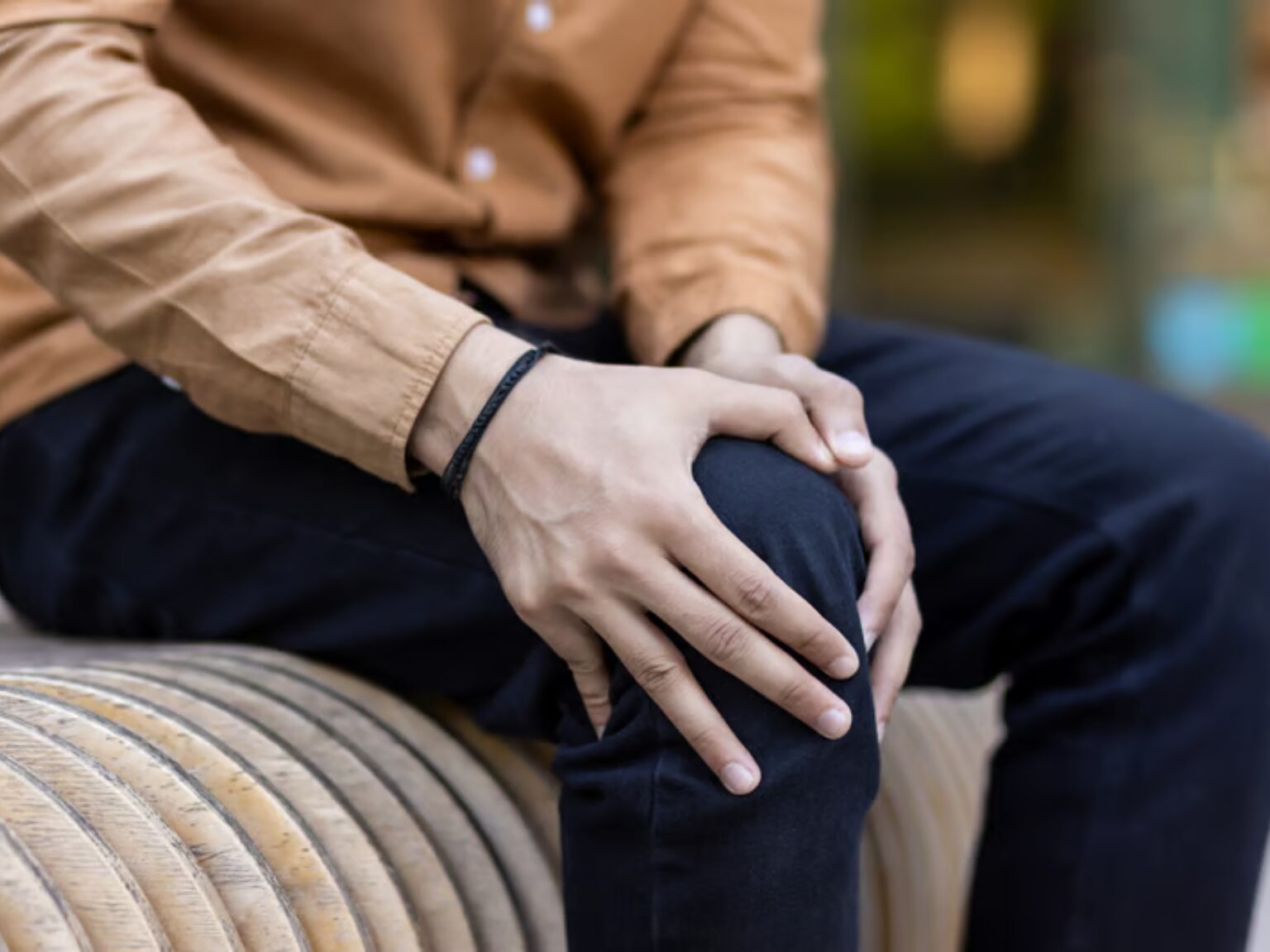
Knee pain is no longer limited to older individuals. Today, a growing number of young adults are experiencing discomfort, stiffness, and mobility issues in their knees due to modern lifestyle patterns, sports injuries such as knee ligament injury, and poor posture. Understanding the causes of knee pain in young adults is essential for early intervention, prevention, and long-term joint health.
This comprehensive guide explores the root causes, symptoms, diagnosis, treatment, and preventive strategies to help you manage and avoid knee-related issues effectively.
What is Causes of Knee Pain in Young Adults
The term causes of knee pain in young adults refers to various underlying conditions, injuries, or lifestyle factors that lead to discomfort or pain in the knee joint among individuals typically aged 18–40. Unlike age-related degeneration, knee pain in this group is often associated with physical activity, muscle imbalance, or improper biomechanics.
Knee pain can range from mild irritation to severe pain that affects daily activities such as walking, climbing stairs, or exercising. It may also be acute (sudden) or chronic (long-term).
Causes of Knee Pain in Young Adults
Understanding the causes of knee pain in young adults is critical for choosing the right treatment and prevention plan. Below are the most common factors:
1. Sports Injuries
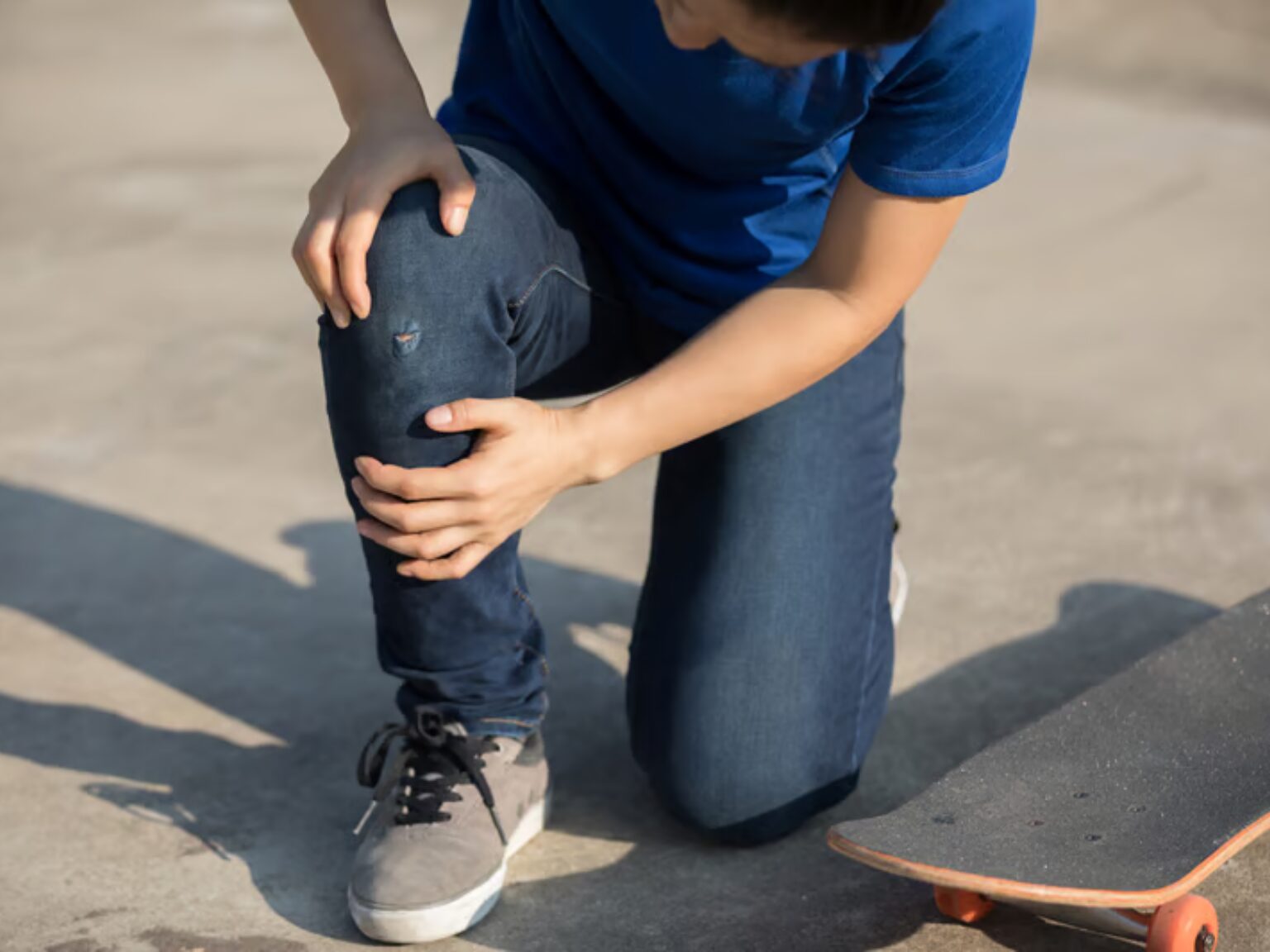
High-impact sports like football, basketball, and running often lead to injuries such as ligament tears (ACL, MCL), meniscus damage, or tendon strain. These are major reasons for knee pain in active individuals.
2. Overuse and Repetitive Stress
Repeated stress on the knee joint due to excessive workouts or improper training can cause inflammation. Conditions like runner’s knee are common examples.
3. Poor Posture and Lifestyle
Sedentary lifestyle, prolonged sitting, and incorrect posture increase pressure on the knees, leading to knee joint pain over time.
4. Muscle Imbalance
Weak quadriceps or hamstrings can cause uneven stress distribution, resulting in knee discomfort and instability.
5. Obesity or Weight Gain
Excess weight increases pressure on knees, causing faster joint wear, pain, and long-term damage, especially during walking, running, or climbing stairs.
6. Improper Footwear
Unsupportive shoes disturb body alignment, putting uneven stress on knees and leading to pain, discomfort, and increased injury risk over time.
7. Hormonal Factors (Especially in Women)
Hormonal changes can weaken ligaments, increasing joint laxity and making women more prone to knee pain and injuries during daily or physical activities.
8. Medical Conditions
Issues like patellar tracking disorder or early arthritis affect joint function, causing pain, stiffness, and reduced mobility if not treated properly.
Symptoms of Causes of Knee Pain in Young Adults
The symptoms vary depending on the underlying cause but commonly include:
Persistent or intermittent knee joint pain
Swelling and inflammation
Stiffness or reduced mobility
Clicking or popping sound
Pain while climbing stairs or bending
Weakness or instability
Ignoring these symptoms may worsen the condition and delay recovery.
Risk Factors
Several factors increase the likelihood of developing knee pain:
Lack of physical activity
Poor fitness level
Improper exercise techniques
Previous injuries
Excess body weight
Occupations requiring prolonged standing or sitting
Gender (higher risk of knee pain in ladies)
Identifying these risk factors early can help in prevention.
Diagnosis and Medical Tests
Accurate diagnosis is essential to identify the exact causes of knee pain in young adults and ensure effective treatment. Doctors may use physical exams, imaging tests like X-rays or MRI, and functional assessments to evaluate joint health, detect injuries, and plan the right treatment approach.
Physical Examination
Assessment of movement, swelling, and pain points.
Imaging Tests
X-ray: Detects bone-related issues
MRI: Identifies ligament or cartilage damage
Blood Tests
Used to rule out infections or inflammatory conditions.
Functional Tests
Evaluate joint stability and mobility.
Treatment Options
Treatment depends on the severity and cause of the condition. Common knee pain solutions include:
1. Rest and Activity Modification
Reducing physical strain helps in recovery.
2. Medications
Pain relievers and anti-inflammatory drugs provide temporary knee pain relief.
3. Physiotherapy
Targeted exercises improve strength and flexibility.
Preventing knee pain is always better than treating it. Here are effective strategies:
Maintain Healthy Weight
Reducing body weight minimizes stress on the knee.
Exercise Regularly
Focus on strengthening leg muscles.
Use Proper Footwear
Choose shoes with good support and cushioning.
Warm-Up Before Workouts
Prepares muscles and reduces injury risk.
Practice Good Posture
Avoid long periods of sitting or standing.
Avoid Overtraining
Give your body adequate rest and recovery time.
Following these steps can significantly reduce the risk of developing knee pain in the future.
When to See a Doctor
You should consult a medical professional if:
Pain persists for more than a few days
Swelling increases
Difficulty in walking or bending
Knee feels unstable or gives way
Pain worsens despite home remedies
Early diagnosis ensures effective treatment and prevents complications.
FAQs
What are the most common causes of knee pain in young adults?
The most common causes of knee pain in young adults include sports injuries, overuse, poor posture, obesity, and muscle imbalance.
Can knee pain in young adults be permanent?
No, most cases are treatable with proper care, physiotherapy, and lifestyle changes.
How can I get fast knee pain relief?
Rest, ice therapy, medications, and knee pain relief exercises can help reduce pain quickly.
Is knee pain more common in women?
Yes, due to hormonal and anatomical differences, knee pain in ladies is relatively more common.
What is the best knee pain solution at home?
Maintaining proper posture, using support like the best knee cap for pain relief, and doing regular exercises are effective home remedies.
Conclusion
Knee pain in young adults is becoming increasingly common due to modern lifestyle habits, sports injuries, and repetitive stress on the joints. Understanding the causes, symptoms, and risk factors is essential for early diagnosis and effective management. With proper exercise, physiotherapy, and healthy lifestyle choices, most knee problems can be prevented or controlled.
Maintaining strong leg muscles, using proper footwear, and avoiding overtraining are important steps for protecting knee health. If pain persists or worsens, seeking timely medical advice ensures the right treatment and prevents long-term joint damage.