Hairline Fracture Recovery Time: Healing Process, Care & Precautions
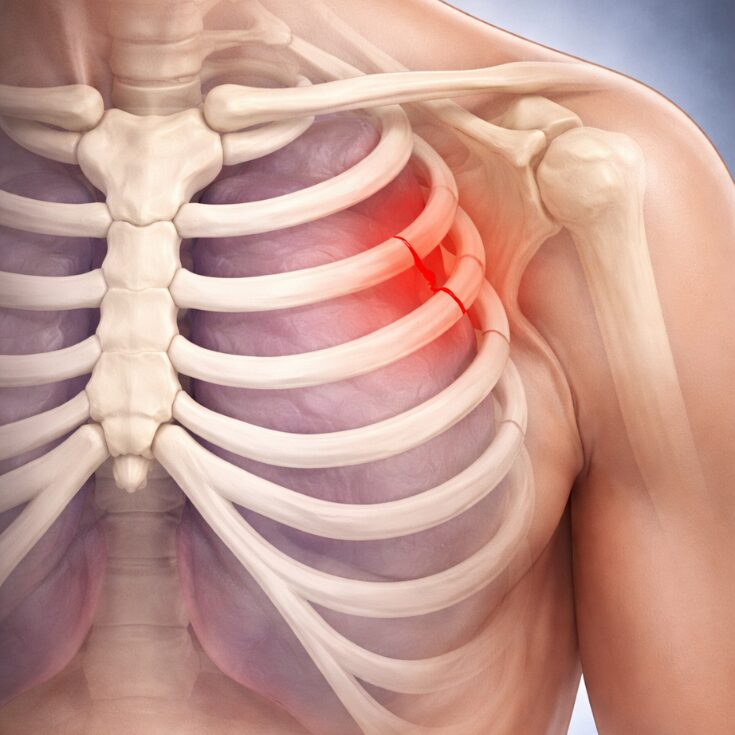
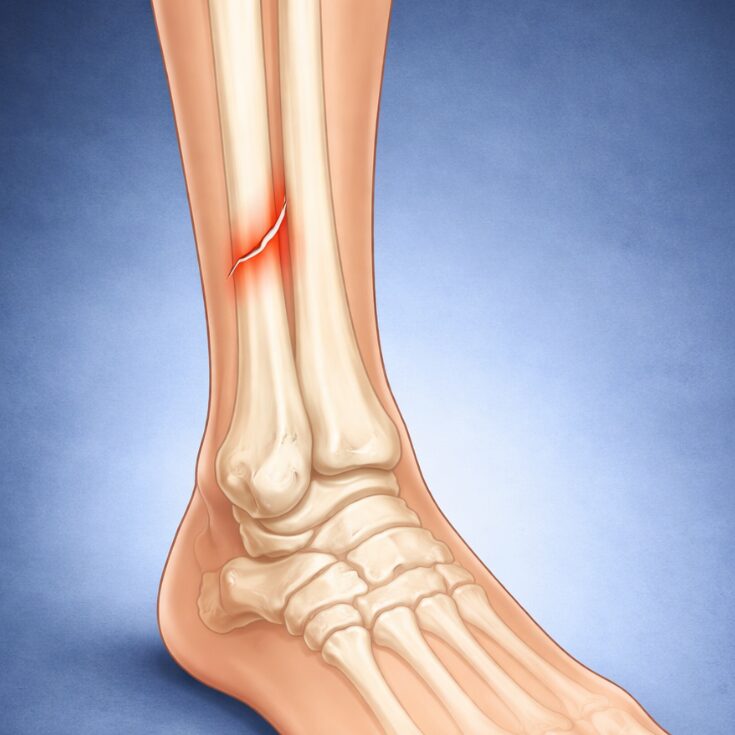
A hairline fracture (also known as a stress fracture) is a small crack in the bone that often develops due to repetitive stress, overuse, or minor trauma. Unlike a complete fracture, a hairline fracture is not always immediately visible but can cause significant discomfort if left untreated.
Understanding the hairline fracture recovery time, healing stages, and proper care is essential for faster recovery and preventing complications. This guide explains everything in simple language so patients can make informed decisions.
What is a Hairline Fracture?
A hairline fracture is a thin crack in the bone that usually occurs due to repeated pressure rather than a sudden injury. It is commonly seen in athletes, runners, and individuals involved in physical activities.
From a medical perspective, hairline fractures fall under the category of stress injuries within bone fractures and are often linked to micro-damage in bone tissue.
Common Types:
Hairline fracture of the ankle
Hairline fracture of the wrist
Hairline fracture of the hand
Hairline fracture of the foot
Hairline Fracture Symptoms
Recognizing hairline fracture symptoms early can help prevent worsening of the injury.
Common Symptoms:
Localized pain that increases with activity
Swelling around the affected area
Tenderness on touch
Mild bruising
Difficulty in movement
Unlike major fractures, pain from a hairline fracture may reduce during rest but return during activity.
Causes of Hairline Fracture
Hairline fractures usually occur due to repetitive stress rather than a single traumatic event.
Major Causes:
Overuse (running, jumping, sports activities)
Sudden increase in physical activity
Weak bones (linked to Osteoporosis)
Improper footwear
Nutritional deficiencies (calcium, vitamin D)
Hairline Fracture Recovery Time
The hairline fracture recovery time varies depending on the location, severity, and overall health of the patient.
Average Recovery Timeline:
Mild cases: 4–6 weeks
Moderate cases: 6–8 weeks
Severe cases: 8–12 weeks
For example:
Hairline fracture ankle: 6–8 weeks
Hairline fracture wrist: 4–6 weeks
Hairline fracture hand: 3–6 weeks
Recovery may take longer if the injury is ignored or if proper rest is not taken.
Healing Process of Hairline Fracture
Understanding the healing stages helps patients track their recovery.
1. Inflammatory Stage (0–7 days)
Swelling and pain occur
Blood clots form around the fracture
2. Reparative Stage (1–4 weeks)
New bone tissue (callus) starts forming
Pain gradually reduces
3. Remodeling Stage (4–12 weeks)
Bone strengthens and returns to its normal shape
This biological healing process is similar to how the body repairs a Stress Fracture.
Hairline Fracture Treatment
Proper hairline fracture treatment is crucial for faster recovery.
Non-Surgical Treatment:
Rest and activity restriction
Ice therapy to reduce swelling
Immobilization (brace, splint, or cast)
Pain relief medications like Ibuprofen
Advanced Treatment (if needed):
Physiotherapy
Bone stimulation therapy
Rarely, surgery in complicated cases
Hairline Fracture Ankle: Special Care
A hairline fracture ankle is common among runners and athletes.
Ignoring ankle injuries can lead to complications affecting mobility.
Hairline Fracture Wrist & Hand
Hairline Fracture Wrist:
Often caused by falls
Requires immobilization with a splint
Hairline Fracture Hand:
Common in sports injuries
Needs proper rest and limited movement
These injuries can affect daily activities, so early treatment is important.
Diet for Faster Recovery
Nutrition plays a key role in reducing hairline fracture recovery time.
Recommended Nutrients:
Calcium-rich foods (milk, cheese)
Vitamin D (sunlight exposure)
Protein for tissue repair
Magnesium and zinc
A balanced diet supports bone healing and prevents future fractures.
Do’s and Don’ts During Recovery
Do’s:
Take proper rest
Follow the doctor’s advice
Use support devices
Maintain a healthy diet
Don’ts:
Avoid heavy exercise
Do not ignore pain
Avoid smoking and alcohol
Complications of Untreated Hairline Fracture
If not treated properly, a hairline fracture can lead to:
Complete bone fracture
Chronic pain
Delayed healing
Reduced mobility
In some cases, it may worsen into severe orthopedic conditions requiring advanced care.
When to See a Doctor?
Consult a specialist if:
Pain persists for more than a week
Swelling increases
Difficulty in movement
No improvement with rest
Early diagnosis using X-rays or MRI helps in faster treatment.
Prevention Tips
Preventing a hairline fracture is always better than treatment.
Tips:
Wear proper footwear
Avoid sudden increase in activity
Maintain bone strength
Take adequate rest between workouts
FAQs
What is a hairline fracture?
A hairline fracture is a small crack in the bone caused by repetitive stress or minor injury.
What is the hairline fracture recovery time?
The hairline fracture recovery time usually ranges from 4 to 8 weeks, depending on the severity and location.
What are common hairline fracture symptoms?
Common symptoms include pain, swelling, tenderness, and difficulty in movement.
How is hairline fracture treatment done?
Treatment includes rest, immobilization, pain relief medications, and sometimes physiotherapy.
Can a hairline fracture heal without a cast?
Yes, mild cases may heal with rest and support, but medical evaluation is always recommended.
Conclusion
A hairline fracture may seem minor, but it requires proper attention and care. Understanding the hairline fracture recovery time, symptoms, and treatment can help patients recover faster and avoid complications.
With the right combination of rest, nutrition, and medical guidance, most hairline fractures heal completely within a few weeks. Always consult a qualified orthopedic specialist for accurate diagnosis and treatment.