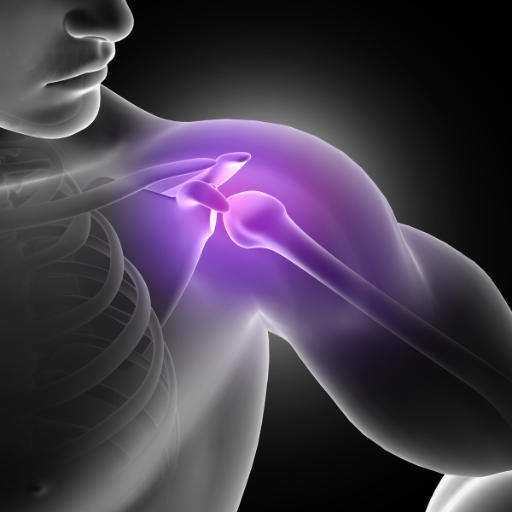
Left Shoulder Pain: Causes, Sports Injuries, Symptoms & Treatment
Left shoulder pain is a common problem affecting people of all ages, especially athletes and individuals with active lifestyles. Many cases begin with mild discomfort but gradually worsen due to overuse, poor posture, or untreated sports injuries. In some situations, advanced treatments such as arthroscopic surgery for shoulder pain may be recommended to diagnose and manage internal joint damage accurately.
Understanding the causes of shoulder pain, its impact on daily activities, and available treatment options is crucial for effective recovery, improved mobility, and long-term prevention of recurring shoulder problems.
Left Shoulder Pain Causes
Left shoulder pain can develop due to a wide range of structural and functional issues. The shoulder is a highly mobile joint, making it vulnerable to strain and injury. Everyday movements combined with physical activity often place repeated stress on muscles, tendons, and ligaments.
Common causes include:
Muscle strain due to overuse or sudden movements
Rotator cuff inflammation or tears
Shoulder impingement caused by a narrowed joint space
Tendonitis or bursitis due to repetitive motion
Nerve compression from the neck or upper spine
In athletes, left shoulder pain is frequently linked to repetitive overhead actions such as throwing, swimming, or weightlifting. Poor warm-up routines and muscle imbalance further increase injury risk. Over time, untreated shoulder stress can lead to chronic pain, stiffness, and reduced range of motion, making early diagnosis important.
Left Shoulder Pain Reasons in Daily Activities
Daily habits play a major role in the development of left shoulder pain. Long hours of sitting, incorrect posture, and improper lifting techniques often create continuous stress on the shoulder joint. Even minor movements performed repeatedly can lead to micro-injuries.
Key daily-life contributors include:
Slouching while working on a computer
Sleeping on one side for extended periods
Carrying heavy bags on one shoulder
Sudden jerky movements while lifting objects
Over time, these activities may cause muscle tightness and joint irritation. Left shoulder pain often starts as mild stiffness but can progress to constant discomfort if posture issues are not corrected. Simple lifestyle adjustments such as ergonomic seating, proper sleeping positions, and regular stretching can significantly reduce shoulder strain.
Shoulder Injuries in Sports
Sports-related injuries are among the leading causes of left shoulder pain. Athletes subject their shoulders to repetitive stress, high-impact forces, and sudden directional changes. This combination makes the joint highly susceptible to injury.
Shoulder subluxation or dislocation in contact sports
Labral tears caused by repetitive overhead motion
Overuse injuries from excessive training without recovery
Inadequate rest and improper technique further worsen these conditions. Many athletes ignore early symptoms, which can lead to chronic instability and long-term pain. Early evaluation by a sports injury specialist helps prevent complications and ensures a safe return to activity.
Pain in Left Hand and Shoulder
Pain that starts in the shoulder often radiates downward, causing discomfort in the arm and hand. This type of pain is commonly associated with nerve involvement or muscular tension extending from the shoulder joint.
Possible reasons include:
Nerve compression from shoulder inflammation
Rotator cuff injuries affect arm movement
Referred pain from cervical spine issues
Pain in the arm combined with left shoulder pain should not be ignored, especially if accompanied by weakness or tingling sensations. Proper diagnosis helps distinguish between muscular strain and nerve-related conditions, ensuring targeted treatment and faster recovery.
Left Side Back Shoulder Pain
Left side back shoulder pain often originates from the muscles supporting the shoulder blade and upper spine. Poor posture, muscle imbalance, and overtraining are frequent contributors, particularly in athletes.
Common factors include:
Upper back muscle strain
Scapular instability
Improper training posture
Weak core and back muscles
This type of pain can restrict shoulder movement and reduce athletic performance. Strengthening the surrounding muscles and improving posture are essential for long-term relief and injury prevention.
Symptoms of Left Shoulder Pain
Symptoms of left shoulder pain vary depending on the underlying cause and severity of the condition. Some individuals experience sharp pain, while others notice a dull ache that worsens with activity.
Common symptoms include:
Pain during lifting or reaching movements
Shoulder stiffness and limited mobility
Weakness or instability in the joint
Pain spreading to the arm or upper back
Persistent symptoms may indicate structural damage within the joint. Advanced diagnostic methods and treatments, including the shoulder arthroscopy procedure and recovery, are often used to evaluate internal shoulder injuries accurately.
Shoulder Pain Treatment Options
Treatment for left shoulder pain depends on the severity of the condition and the patient’s activity level. Early-stage pain often responds well to conservative care, while severe injuries may require advanced medical intervention.
Treatment options include:
Rest and activity modification
Anti-inflammatory medications
Physiotherapy and rehabilitation exercises
Sports injury medical management
For cases involving internal joint damage, minimally invasive surgical procedures may be recommended. Timely treatment helps restore mobility, reduce pain, and prevent long-term complications.
Left Shoulder Pain Exercises
Exercises play a crucial role in managing and preventing left shoulder pain. Properly guided exercises improve strength, flexibility, and joint stability without increasing injury risk.
Exercises should always be performed under professional guidance, especially after injury. Incorrect technique can worsen pain and delay recovery.
When to See a Doctor
Medical attention is necessary when left shoulder pain becomes persistent or interferes with daily activities. Ignoring symptoms can lead to chronic joint damage.
Consult a doctor if:
Pain lasts more than a few days
Shoulder pain follows a sports injury or a fall
There is difficulty lifting or moving the arm
Numbness or weakness is present
Early evaluation ensures accurate diagnosis and effective treatment planning.
Key Takeaways for Managing Left Shoulder Pain
Aspect
Why It Matters
Long-Term Benefit
Early Diagnosis
Identifies the root cause accurately
Prevents chronic damage
Proper Treatment
Targets pain and inflammation
Faster recovery
Physiotherapy
Restores strength and mobility
Reduces re-injury risk
Lifestyle Changes
Corrects posture and habits
Sustained pain relief
Sports-Specific Care
Protects athletic performance
Safe return to sports
FAQs
What are the most common causes of left shoulder pain?
Common causes include muscle strain, rotator cuff injuries, poor posture, and sports-related overuse.
Can sports activities worsen left shoulder pain?
Yes, repetitive movements and improper techniques can significantly worsen shoulder pain in athletes.
Is physiotherapy effective for shoulder pain?
Physiotherapy helps improve strength, flexibility, and joint stability, reducing pain and preventing recurrence.
When is surgery recommended for shoulder pain?
Surgery is considered when conservative treatments fail or when internal joint damage is present.
How long does recovery take for shoulder injuries?
Recovery time varies depending on injury severity and treatment approach, ranging from weeks to several months.
Conclusion
Left shoulder pain affects people of all ages, especially active individuals and athletes. It often begins mildly but worsens due to overuse, poor posture, or untreated injuries. While advanced options like arthroscopy surgery for shoulder pain may be needed in some cases, long-term relief depends on early diagnosis, proper treatment, posture correction, and guided rehabilitation to restore strength, mobility, and prevent future injuries.