Shoulder Arthroscopy for Sports Injuries and Chronic Shoulder Problems
Shoulder arthroscopy is a modern, minimally invasive surgical technique used to diagnose and treat various shoulder conditions. It is especially effective for sports injuries and long-standing shoulder problems that do not improve with medication or physiotherapy. Using a small camera and specialized instruments, surgeons can repair damaged tissues with precision, less pain, and faster recovery.
This advanced procedure has become the preferred option for athletes and active individuals who want to return to normal activity safely and quickly.
What Is Shoulder Arthroscopy?
Shoulder arthroscopy is a surgical procedure in which a thin camera (arthroscope) is inserted into the shoulder joint through small incisions. The camera projects images onto a screen, allowing the surgeon to clearly view and treat internal joint problems.
This technique reduces tissue damage and improves surgical accuracy compared to open surgery.
Shoulder Arthroscopy for Sports Injuries
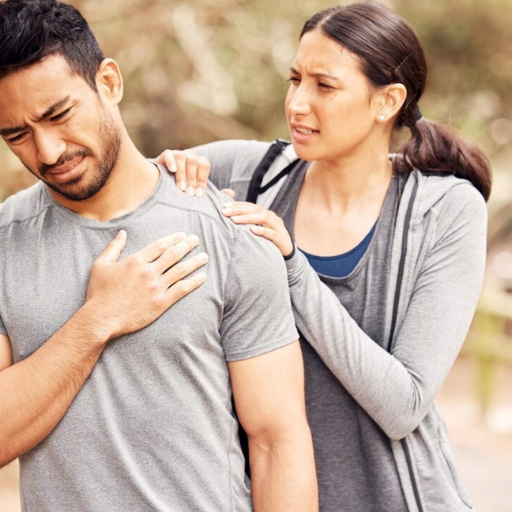
Sports activities place repetitive stress on the shoulder joint. Over time or due to sudden trauma, this can result in pain and restricted movement. Shoulder arthroscopy is widely used to manage sports injuries effectively.
Common Sports Injuries Requiring Shoulder Arthroscopy
Rotator cuff injuries in cricket, tennis, and swimming
Smaller incisions and minimal scarring – Shoulder arthroscopy uses tiny cuts, resulting in less tissue damage, minimal scarring, and better cosmetic outcomes.
Faster healing and early rehabilitation – Minimal invasion allows quicker tissue healing, enabling patients to start physiotherapy and movement earlier.
Improved joint stability – Precise repair of damaged ligaments and tendons helps restore shoulder strength and long-term joint stability.
Quick return to sports activities – Athletes recover faster with structured rehab, allowing a safe and confident return to sports and training.
Shoulder Arthroscopy for Chronic Shoulder Problems
Chronic shoulder pain often develops due to untreated injuries, aging, or repetitive strain. When conservative treatments fail, shoulder arthroscopy becomes an effective long-term solution.
Chronic Conditions Treated
Long-standing rotator cuff degeneration
Shoulder stiffness and frozen shoulder
Chronic inflammation of the shoulder joint
Persistent pain limiting daily activities
Early surgical intervention helps prevent further joint damage and improves quality of life.
Right Shoulder Arthroscopy – What You Should Know
Right shoulder arthroscopy is commonly performed because the right shoulder is dominant for most individuals. The procedure and recovery process remain the same as for the left shoulder, but extra care is required post-surgery to manage daily tasks.
Special Considerations
Temporary work restrictions
Modified driving habits
Assistance with routine activities during early recovery
Shoulder Arthroscopy Procedure – Step-by-Step
Before Surgery
Physical examination and imaging tests
Pre-surgical fitness assessment
Discussion of treatment goals
During Surgery
Small incisions around the shoulder
Arthroscope insertion
Repair of damaged tissues
After Surgery
Sling support for healing
Pain management
Start of guided physiotherapy
The entire shoulder arthroscopy procedure usually lasts 1–2 hours.
Shoulder Arthroscopy Recovery Timeline
The shoulder arthroscopy recovery timeline depends on the type of injury, surgical repair, patient age, and rehabilitation, usually ranging from a few weeks to several months.
Recovery Phases
Week 1–2: Pain control and immobilization
Week 3–6: Gentle movement and physiotherapy
Week 6–12: Strengthening exercises
3–6 Months: Return to sports or heavy activity
Following medical advice strictly ensures optimal healing.
Shoulder Arthroscopy Exercises for Faster Recovery
Proper rehabilitation after shoulder arthroscopy is essential to restore shoulder strength, flexibility, and stability. A structured physiotherapy program helps reduce stiffness, prevent complications, improve joint movement, and ensure safe, long-term recovery.
Common Shoulder Arthroscopy Exercises
Pendulum exercises – Gentle swinging motions that reduce stiffness, improve blood flow, and support early shoulder movement.
Passive range-of-motion exercises – Assisted movements that improve flexibility without putting strain on the healing shoulder joint.
Resistance band training – Light resistance exercises that gradually strengthen shoulder muscles and improve joint stability.
Shoulder stabilization workouts – Controlled exercises that strengthen supporting muscles to enhance balance and prevent re-injury.
These exercises should always be performed under a physiotherapist’s supervision to avoid complications.
Shoulder Arthroscopy Cost – What to Expect
The shoulder arthroscopy cost varies based on factors such as hospital facilities, surgeon’s experience, type of shoulder injury, diagnostic tests, anesthesia, hospital stay, and post-surgery rehabilitation, making each patient’s treatment cost different.
Cost Influencing Factors
Type of shoulder injury
Diagnostic tests required
Duration of hospital stay
Rehabilitation and physiotherapy
While the initial cost may seem higher, faster recovery and long-term relief make it a cost-effective solution.
Advantages of Shoulder Arthroscopy Over Open Surgery
Shoulder arthroscopy offers several advantages over open surgery due to its minimally invasive nature. It involves smaller incisions, which means less tissue damage, reduced pain, and minimal scarring. Patients usually experience a lower risk of infection, shorter hospital stays, and faster recovery. Early rehabilitation helps restore shoulder movement and strength, allowing patients to return to daily activities and sports more quickly and safely.
Key Advantages
Minimal blood loss
Lower infection risk
Less post-operative pain
Faster recovery
Shorter hospital stay
These benefits make shoulder arthroscopy the preferred surgical approach worldwide.
Who Is an Ideal Candidate for Shoulder Arthroscopy?
You may be advised to undergo shoulder arthroscopy if:
Pain persists despite medication and therapy – If shoulder pain continues even after medicines and physiotherapy, arthroscopy helps identify and treat the root cause.
Shoulder movement is limited – When stiffness or reduced range of motion affects daily activities, shoulder arthroscopy can restore smooth joint movement.
Sports performance is affected – Ongoing shoulder weakness or pain limiting sports activities may require arthroscopic repair for safe return to performance.
Imaging shows structural damage – MRI or X-ray findings like tears or A proper orthopedic evaluation is essential before deciding on surgery.
FAQs – Shoulder Arthroscopy
Is shoulder arthroscopy a major surgery?
No, it is a minimally invasive procedure with smaller incisions and quicker recovery compared to open surgery.
How long does shoulder arthroscopy recovery take?
Most patients recover within 3–6 months, depending on the injury and rehabilitation.
Can I return to sports after shoulder arthroscopy?
Yes, with proper physiotherapy, most athletes return safely to sports activities.
Is shoulder arthroscopy painful?
Pain is usually mild to moderate and well-controlled with medication and therapy.
Are shoulder arthroscopy exercises mandatory?
Yes, exercises are crucial for regaining strength, flexibility, and preventing stiffness.
Conclusion
Shoulder arthroscopy is a safe, effective, and advanced treatment for sports injuries and chronic shoulder problems. With minimal invasion, precise repair, and structured rehabilitation, patients can regain shoulder function and return to an active life confidently. Early diagnosis, expert surgical care, and disciplined recovery are the keys to successful outcomes.