Knee Cartilage Health Guide: Injury Types, Pain & Recovery
Healthy knees play a vital role in maintaining mobility, independence, and overall quality of life. At the center of smooth knee movement lies Knee Cartilage, a specialized tissue that cushions the joint, absorbs shock, and prevents bones from rubbing against each other. When this cartilage is damaged or worn down, even simple activities such as walking, standing, or climbing stairs can become painful and restrictive.
An in-depth overview of knee cartilage function, common injury types, pain symptoms, diagnostic methods, and modern recovery solutions, including Cartilage Repair & Regeneration, is designed to support informed decisions for long-term joint health and improved mobility.
What Is Knee Cartilage and Why Is It Important?
The arthroscopy meaning comes from two Greek words: arthro (joint) and skopein (to look). Arthroscopy refers to a medical technique that allows doctors to examine the inside of a joint using a small camera.
Knee arthroscopy is a procedure in which a thin instrument called an arthroscope is inserted into the knee joint through tiny incisions. The camera attached to the arthroscope sends real-time images to a screen, enabling surgeons to closely inspect the knee’s internal structures, such as cartilage, ligaments, meniscus, and joint lining.
Unlike traditional open surgery, knee arthroscopy causes minimal damage to surrounding tissues, making it a preferred option for both diagnosis and treatment.
What Is Arthroscopic Knee Surgery and How Does It Work?
Knee cartilage is a smooth, flexible connective tissue that covers the ends of bones within the knee joint. It allows frictionless movement while distributing body weight evenly across the joint. Unlike muscles or bones, cartilage has a very limited blood supply, which means healing is slow and often incomplete without medical support.
There are two primary forms found in the knee:
Articular cartilage, which covers the ends of the femur, tibia, and patella
Meniscal cartilage, which acts as a shock absorber and stabilizer
When knee cartilage damage occurs, joint mechanics are disrupted, leading to pain, inflammation, and progressive degeneration.
Common Causes of Knee Cartilage Damage
Cartilage injuries may occur suddenly or develop gradually over time. Common contributing factors include:
Sports-related trauma or twisting injuries, often seen during sudden direction changes or high-impact activities
Repetitive stress from physical work that places a continuous load on the knee joint
Age-related degeneration, where cartilage naturally thins and loses elasticity
Obesity and excess joint load increase pressure on the knee surfaces with every step
Poor posture or joint alignment, causing uneven stress distribution
When ignored, early damage can quietly worsen, eventually leading to loss of cartilage in the knee and a higher risk of osteoarthritis.
Types of Knee Cartilage Injuries
Understanding the nature of cartilage injuries helps guide appropriate treatment and recovery expectations.
1. Focal Cartilage Defects
Small, localized areas of cartilage damage are usually caused by a sudden injury or direct impact
Common in younger or active individuals after sports accidents
Pain is often activity-related and may worsen with weight-bearing
Early treatment can prevent the damage from spreading
2. Degenerative Cartilage Wear
Develops gradually over time due to aging or long-standing joint stress
Cartilage becomes thinner and less flexible, reducing shock absorption
Symptoms often start as stiffness or mild pain and worsen slowly
Frequently associated with osteoarthritis
3. Meniscus Tears
Meniscus Tears occurs when the knee twists suddenly while bearing weight
Often felt as sharp pain, locking, or catching in the joint
Swelling may appear hours after injury rather than immediately
Common in athletes as well as older adults with weakened cartilage
4. Full-Thickness Cartilage Loss
Represents advanced damage where cartilage is completely worn away
Causes bone-on-bone contact, leading to severe pain and stiffness
Movement becomes difficult, and daily activities are affected
Usually requires advanced medical or surgical intervention
Knee Cartilage Damage Symptoms to Watch For
Early recognition of knee cartilage damage symptoms is essential for preventing further deterioration. Common warning signs include:
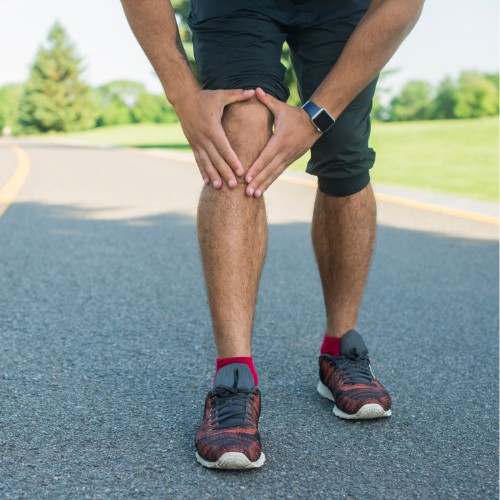
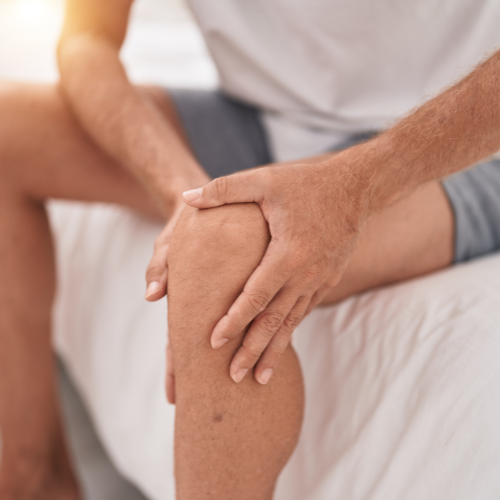
Persistent knee discomfort during movement
Swelling or stiffness after activity
Clicking, grinding, or locking sensations
Reduced flexibility
Instability while walking
Many patients initially ignore mild knee cartilage pain, assuming it will resolve on its own. Unfortunately, delayed treatment often leads to worsening joint health.
How Knee Cartilage Problems Are Diagnosed
Accurate diagnosis is key to effective management, as early cartilage damage may cause symptoms even before clear changes appear on standard imaging. Careful evaluation helps identify the extent of injury, prevent progression, and support timely, joint-preserving treatment decisions.
Specialists typically use:
Clinical examination and movement assessment
X-rays to assess joint space narrowing
MRI scans to evaluate cartilage structure
Arthroscopy for direct visualization
Early diagnosis allows for more conservative and joint-preserving treatment options.
Knee Cartilage Damage Treatment Options
Treatment depends on injury severity, patient age, activity level, and overall joint condition. Knee cartilage damage treatment usually follows a stepwise approach.
Non-Surgical Treatment Approaches
For mild to moderate cases:
Activity modification
Physiotherapy and muscle strengthening
Weight management
Anti-inflammatory medications
Joint injections
Many patients explore knee cartilage repair without surgery to delay invasive procedures and maintain daily function.
Can Knee Cartilage Regenerate?
A common question is: Can knee cartilage regenerate naturally? Due to limited blood supply, the natural healing capacity is poor. However, advances in medical science now support knee cartilage regeneration using biological techniques that stimulate repair or replace damaged tissue.
Surgical Options for Cartilage Repair
When conservative methods fail, surgical intervention may be required. Modern knee cartilage surgery focuses on joint preservation rather than replacement.
Common Procedures Include:
Microfracture surgery
Autologous chondrocyte implantation
Osteochondral grafting
Advanced cartilage reconstruction techniques
These procedures aim to restore cushioning and delay joint replacement.
Knee Cartilage Repair Techniques Explained
Different approaches are used depending on defect size and location. Knee cartilage repair procedures are designed to improve mobility, reduce pain, and restore joint stability.
Treatment Option
Best For
Invasiveness
Expected Recovery
Physiotherapy
Mild damage
Non-invasive
4–8 weeks
Injections
Pain control
Minimally invasive
Few days
Microfracture
Small defects
Surgical
3–6 months
Cartilage grafting
Moderate damage
Surgical
6–12 months
Advanced repair techniques
Severe damage
Surgical
9–12 months
This table helps patients understand recovery timelines and choose suitable options.
Recovery and Rehabilitation After Cartilage Treatment
Rehabilitation is essential for long-term success following knee cartilage repair, as it helps restore strength, flexibility, and joint stability while reducing the risk of reinjury. A well-planned recovery program supports proper healing, improves movement confidence, and promotes a gradual return to daily activities. Nutrition also plays a supportive role in tissue healing and inflammation control, as highlighted in Best Foods for Faster Knee Ligament Injury Recovery.
Recovery typically includes:
Gradual weight-bearing progression
Controlled strengthening exercises
Range-of-motion therapy
Avoidance of high-impact activities during healing
Adherence to rehabilitation protocols significantly improves outcomes.
Living With Knee Cartilage Problems: A Human Perspective
For many individuals, knee discomfort develops gradually. What starts as stiffness after long walks may progress into pain during daily activities. This slow progression often leads people to delay medical care.
Living with joint pain can also affect emotional well-being, causing frustration, fear of movement, and reduced social participation. Patients who actively engage in treatment and rehabilitation often regain confidence and independence more quickly.
Lifestyle Changes to Protect Knee Cartilage
Long-term joint health depends on daily habits:
Maintain a healthy body weight
Choose low-impact exercises like swimming or cycling
Strengthen thigh and hip muscles
Use proper footwear
Avoid sudden twisting movements
These measures help preserve Knee Cartilage and reduce future damage
When to Consult a Specialist
Persistent pain, swelling, or limited mobility should not be ignored. Early consultation allows access to a broader range of treatment options and better long-term outcomes. Specialists can determine whether conservative care, regenerative therapies, or surgical solutions are appropriate.
Long-Term Outlook for Knee Cartilage Health
Advances in cartilage repair and medical technology continue to improve outcomes. While complete restoration may not always be possible, modern treatments allow many patients to remain active and pain-free for years.
With proper care, education, and timely intervention, individuals can protect Knee Cartilage and maintain mobility well into later life.
FAQs About Knee Cartilage Health
How to heal cartilage in the knee?
Knee cartilage healing involves physiotherapy, weight management, activity modification, injections, and advanced medical treatments to reduce pain and improve joint function.
Can knee cartilage heal on its own?
Knee cartilage has a limited ability to heal naturally because it lacks a strong blood supply. Mild damage may be managed with therapy and lifestyle changes, but more severe injuries often require medical treatment.
How is knee cartilage damage diagnosed?
Diagnosis usually involves a physical examination, imaging tests such as X-rays or MRI scans, and sometimes arthroscopy to directly assess cartilage condition and joint health.
What are the treatment options for knee cartilage problems?
Treatment options range from physiotherapy, medications, and injections to advanced cartilage repair procedures, depending on the severity of damage and patient activity level.
When should I see a doctor for knee cartilage pain?
You should consult a specialist if knee pain persists, worsens with activity, causes swelling or stiffness, or limits daily movement, as early treatment can help prevent further joint damage.
Final Words
Knee cartilage plays a crucial role in joint movement, stability, and overall quality of life. Damage to this tissue can lead to pain, stiffness, and long-term mobility limitations if not addressed early. Understanding injury types, recognizing symptoms, and choosing appropriate recovery solutions empowers patients to take control of their joint health.
With modern diagnostics, non-surgical care, regenerative therapies, and advanced surgical options, managing cartilage damage is more effective than ever. Proactive care and informed decisions are the foundation of long-lasting knee health.