Knee Brace for ACL Injuries: Types, Benefits & How to Choose
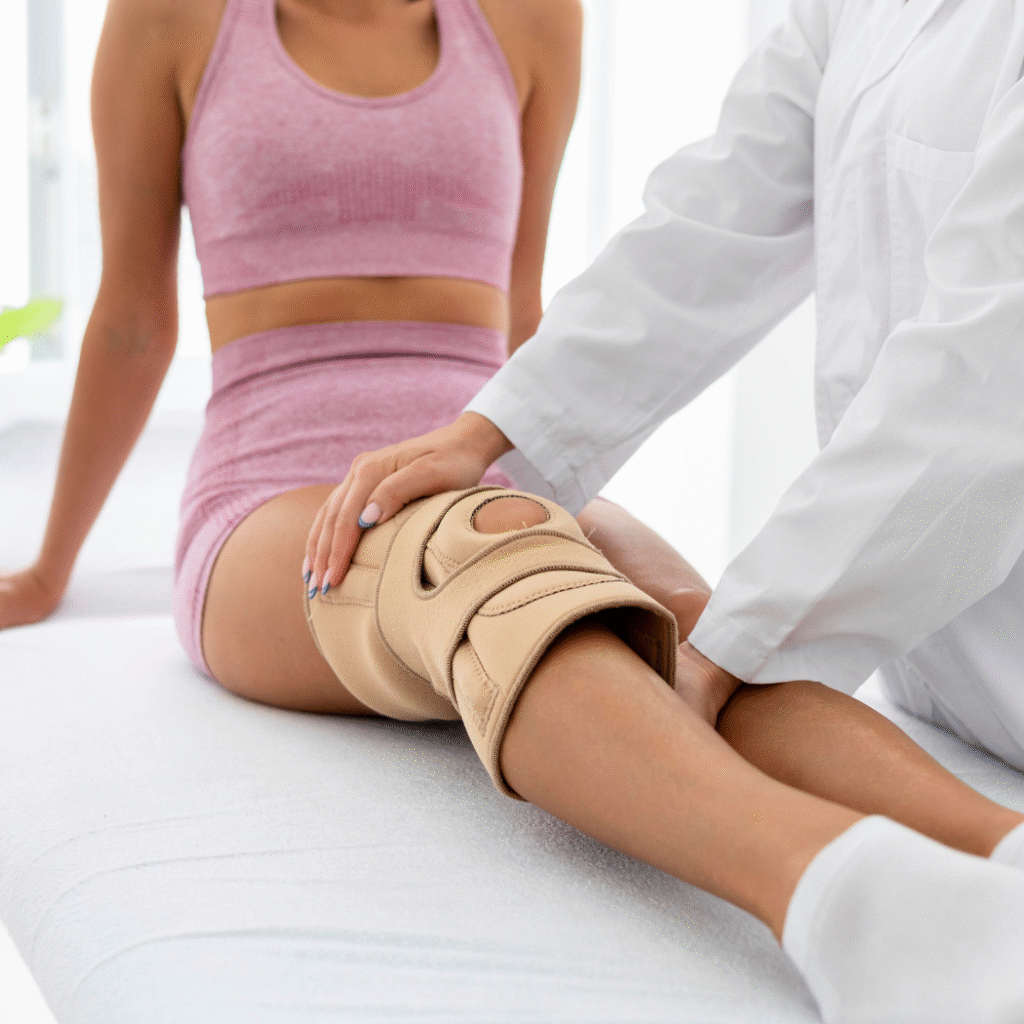
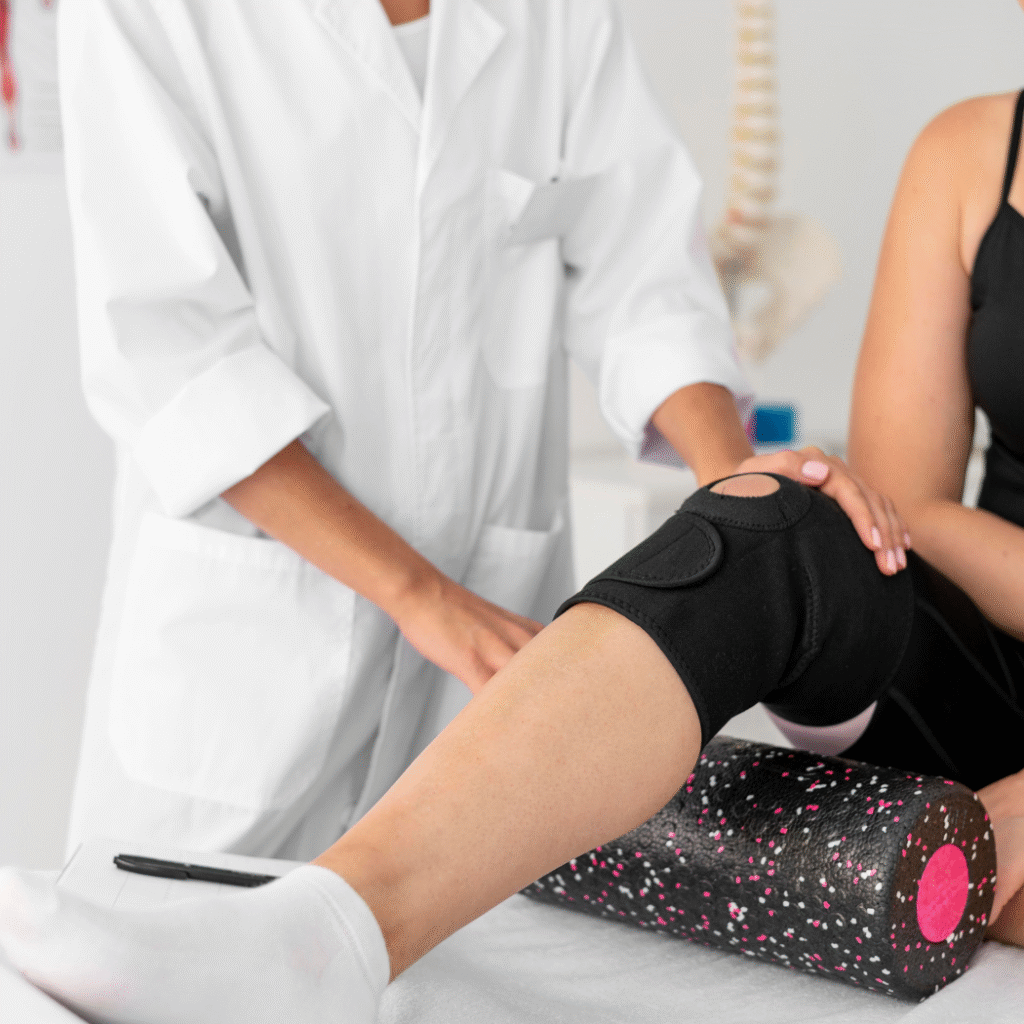
Dealing with an ACL tear can feel overwhelming, especially when simple activities like walking, climbing stairs, or bending the knee suddenly become difficult. For many recovering patients and athletes, a knee brace for ACL injuries becomes an essential part of their healing journey. ACL tears are among the most common knee injuries worldwide, and understanding the symptoms, treatment options, and recovery timeline plays a vital role in restoring knee function. The right brace provides stability, prevents unwanted movement, and gives the knee the controlled environment it needs to heal properly.
Before exploring brace types and recovery methods, it’s essential to understand how ACL injuries occur and why early detection matters. These injuries are rising among athletes and everyday individuals due to sudden twists and poor landing techniques. This guide covers key symptoms, effective ACL injury treatment, recovery time, prevention tips, risks for football players, and how to choose the right knee brace for ACL injuries.
Understanding ACL Injuries and Why They Happen
The ACL(Anterior Cruciate Ligament) is one of the primary stabilising ligaments of the knee. It prevents the shinbone from sliding too far forward and helps maintain overall knee stability. When this ligament is stretched beyond its limit or torn due to sudden movements, the knee becomes unstable and painful.
ACL tears often happen during high-impact or high-speed movements. While athletes face the highest risk, non-athletes can also suffer ACL tears from everyday missteps. Many recent cases involve ACL injury in football players, mainly due to rapid direction changes, sudden stops, and unexpected tackles.
Common ACL Injury Symptoms You Should Never Ignore
Early identification leads to better outcomes. Many people often mistake ACL injuries for a simple sprain because the symptoms can overlap. However, certain signs of ACL injury stand out clearly.
The most important ACL injury symptoms include:
A loud or noticeable “pop” sound at the moment of injury
Rapid swelling within the first few hours
Severe pain that worsens with movement
Difficulty standing or walking
Knee instability or the feeling that the knee might “give way”
Reduced range of motion
Recognising these warning signs early leads to faster ACL injury treatment and reduces long-term complications.
Why a Knee Brace Helps During ACL Injury Recovery
One of the biggest concerns for patients is ACL injury recovery time, which varies depending on the grade of the tear. This is where a brace becomes incredibly valuable. A knee brace for ACL injuries provides mechanical stability, prevents unwanted twisting, and supports the knee during physiotherapy exercises.
Braces help in the following ways:
They reduce strain on healing tissues and control knee movement
They support the knee during walking
They improve confidence during rehabilitation
They help maintain proper alignment during the recovery process
They play a critical role in preventing reinjury, especially for patients returning to sports
They reduce the risk of compensatory injuries in other leg muscles
Without adequate support, a recovering knee is vulnerable to new injuries. That’s why orthopaedic doctors recommend braces not only after surgery but also during non-surgical recovery programs.
Types of Knee Braces for ACL Tears
Not every knee brace is designed for ACL protection. Different braces serve different purposes depending on the severity of the injury, the treatment plan, and the patient’s activity level.
Below is a detailed comparison table to help you understand the role of each brace:
Type of Knee Brace
Best For
Support Level
Advantages
Limitations
Functional Brace
Post-surgery or partial ACL tears
High
Excellent stability during sports and walking
May feel heavier than basic braces
Prophylactic Brace
Injury prevention for athletes
Medium
Helps reduce injury risk and supports high-impact activities
Not suitable for severe ACL tears
Rehabilitative Brace
Post-surgery initial recovery
Very High
Strict movement control protects graft healing
Limits mobility significantly
Hinged Knee Brace
Mild ACL sprains and daily support
Medium to High
Comfortable for long-term use
Not ideal for complete tears
Custom-Fitted Brace
Chronic knee instability
Maximum
Tailored fit and superior joint control
Higher cost compared to standard braces
Selecting the right brace depends on your recovery phase, daily activities, and medical recommendations.
Understanding ACL Injury Treatment
Treatment options vary depending on the severity of the tear. Some partial tears can be managed with targeted physiotherapy and bracing, while complete tears often require surgical reconstruction. Successful ACL injury treatment usually involves:
Strengthening exercises for quadriceps and hamstrings
Reducing inflammation through rest and physiotherapy
Using a supportive knee brace for ACL injuries
Training the muscles to support proper knee alignment
Surgical reconstruction for complete tears
Post-surgery rehabilitation for long-term knee stability
Treatment is never one-size-fits-all. It is tailored to the individual’s activity level, age, injury type, and overall health.
How Long to Recover From ACL Injury? Understanding the Timeline
A question many patients ask is: How long to recover from ACL injury? The answer depends on several factors, including injury grade, treatment type, physical fitness, and commitment to rehabilitation.
Because ligament tissue heals slowly, the right brace helps protect the knee during each stage, shortening overall ACL injury recovery time.
Factors affecting recovery time include:
Muscle strength before and after injury
Quality and frequency of physiotherapy sessions
Use of braces during high-risk activities
Age and weight of the patient
Commitment to recommended exercises
Even after recovery, continuing to use protective measures, especially during sports, is essential to avoid ACL injury in the future.
How to Choose the Right Knee Brace for ACL Injuries
Choosing the right brace is important for maximising stability and preventing reinjury. The ideal brace depends on your recovery stage, movement restrictions, and comfort preferences.
Here are the most important factors to consider:
Injury severity or grade diagnosed by a doctor
Your daily activity level or sports involvement
Amount of stability needed during movement
Material quality, durability, and breathability
Proper size and fit
Comfort during long hours of wear
Doctor’s or physiotherapist’s guidance
A high-quality knee brace for ACL injuries not only improves stability but also accelerates healing by preventing sudden twisting or pivoting motions.
How to Prevent ACL Injury in the Future
Once someone experiences an ACL injury, preventing a second injury becomes a top priority. Learning how to prevent ACL injury during workouts and daily movements can significantly reduce long-term knee problems.
Prevention strategies include:
Strengthening the hamstrings and quadriceps
Improving balance, coordination, and neuromuscular control
Practising proper landing techniques during jumps
Engaging in warm-up exercises before sports activities
Wearing supportive footwear designed for your sport
Using a brace during high-risk movements or training sessions
These strategies are especially crucial for athletes who rely heavily on knee stability.
Why ACL Injuries Are So Common Among Football Players
Studies show that ACL injury in football players is significantly more common than in most other sports. The combination of high-speed sprints, aggressive tackles, rapid direction changes, and unpredictable landing forces increases the risk dramatically.
Common causes among football players include:
Sudden deceleration
Pivoting under pressure
Landing awkwardly after jumps
Twisting while controlling the ball
Knee-to-knee collisions
Preventive strengthening programs and the right brace can significantly reduce injury rates among players.
When to Seek Professional Help
Even if your symptoms seem to improve, certain warning signs should never be ignored. If you experience persistent knee instability, recurring swelling, sharp pain during walking, or difficulty bending or straightening the knee, medical evaluation is essential. Early diagnosis ensures effective ACL injury treatment and faster recovery.
FAQs
What causes most ACL injuries?
ACL injuries usually happen due to sudden twisting, quick direction changes, improper landing, or high-impact sports activities. Athletes, especially football players, are at a higher risk.
What are the early symptoms of an ACL injury?
Common symptoms include a popping sound, swelling, instability while walking, sharp pain, and difficulty bending or straightening the knee.
How important is early detection in ACL injuries?
Early detection helps prevent worsening damage, reduces recovery time, and ensures timely ACL injury treatment, including bracing, physiotherapy, or surgery if required.
Can a knee brace help with ACL injuries?
Yes, a knee brace for ACL injuries supports the joint, reduces pain, improves stability, and helps protect the ligament during recovery or daily activities.
Are ACL injuries common among football players?
Yes, ACL injury in football players is very common due to quick direction changes, collisions, sudden stops, and fast footwork, increasing the risk of ligament tears.
Conclusion
A knee brace for ACL injuries plays a vital role in providing stability, restoring confidence, and supporting the ligament through every phase of healing. It helps control movement, reduces reinjury risks, and improves overall function during rehabilitation. Understanding ACL injury symptoms, selecting the right treatment plan, and following prevention methods are crucial in managing this condition effectively.
Whether you are an athlete, a fitness enthusiast, or someone recovering from daily activity-related knee stress, being informed ensures that your recovery is smoother and safer. Knowing how long to recover from ACL injury, recognising early signs, and learning how to avoid ACL injury will help you protect your knee and return to normal life with confidence.